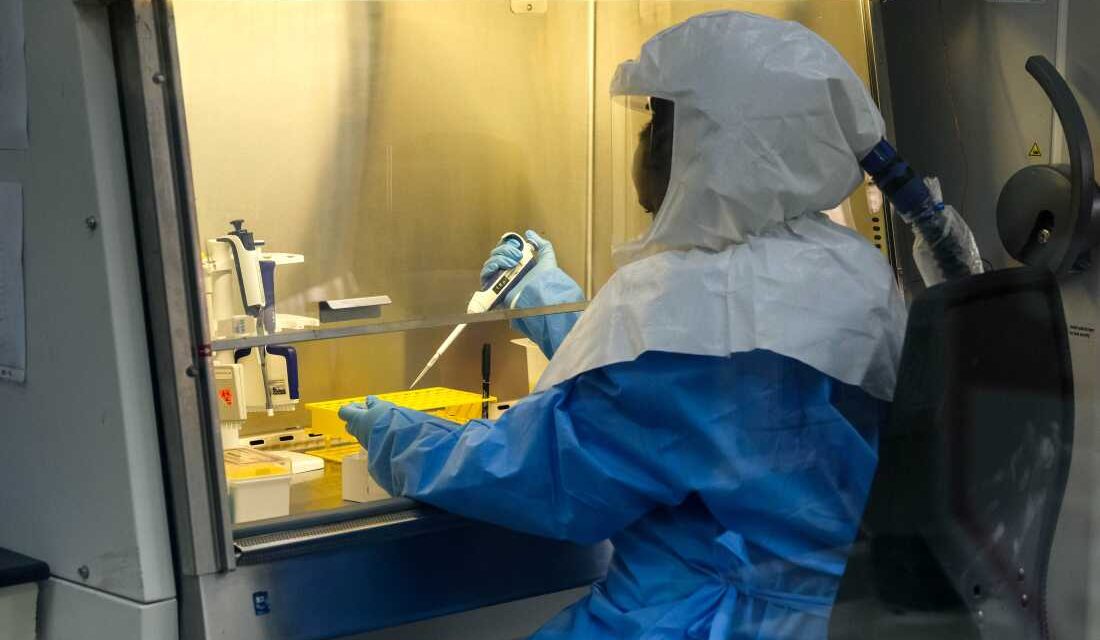
Sophia Mulei, a laboratory technologist at the Uganda Virus Research Institute in Entebbe, works in the Viral Hemorrhagic Fever Laboratory. This facility is a major center for testing Ebola samples. In mid-April, health officials in the Democratic Republic of Congo (DRC) became concerned about potential Ebola cases. Deaths in the country’s northeastern region, suspected to be caused by the virus, prompted sample collection. These were sent to a lab in Bunia.
The Initial Testing
Jean-Jaques Muyembe, general director of INRB, DRC’s national biomedical research center, stated that the first samples underwent testing on April 30th. The lab used GeneXpert machines designed to detect specific viral DNA. Initial results were negative for Ebola. However, further samples tested positively when sent to Kinshasa for specialized analysis. The issue was that GeneXpert couldn’t detect the rare Ebola species circulating, causing a delay until mid-May for an official outbreak declaration of Ebola Bundibugyo.
Scale of the Outbreak
This delay allowed the outbreak to grow quickly, resulting in over 1,100 suspected cases as labs struggled. Caia Dominicus, a senior technical adviser at International Pandemic Preparedness Secretariat, highlighted that response was hampered due to insufficient diagnostics. Without timely testing, there was difficulty in isolating patients to prevent the virus spread.
Efforts to Improve Testing Capacity
Efforts to improve response capacity have advanced since then. Abdirahman Mahamud from the World Health Organization noted that diagnostic capabilities had improved significantly, but warned that current testing still struggles to match the outbreak’s scale. Advanced projections suggest cases could reach 20,000 by August, necessitating increased efforts.
New Tools and Techniques
One improvement has been the use of a machine named RADI-One. It effectively detects Bundibugyo in patient samples using minimal training and equipment, making it suitable for smaller clinics. Seven labs and a mobile unit now manage testing in northeastern DRC. Larger facilities process over 100 samples daily, ensuring immediate analysis.
A laboratory technician expressed satisfaction with reduced backlog and quick results ranging from one to twelve hours.
Challenges and Further Needs
Despite improved diagnostic capacity, additional devices will be necessary. Dominicus mentioned that Africa CDC plans to receive 50 RADI-One machines by June, but more are required. Talks with KH Medical aim to address these needs, albeit with some delay. Other tests, though available, need validation and staff training before deployment.
Sample transport remains a critical bottleneck. Dominicus pointed out challenges like days-long transport delays, inaccessibility of areas, ongoing conflict, and community mistrust complicating diagnostics further.
Potential of Rapid Tests
Rapid tests could transform this situation. Similar to COVID tests, these can deliver results from a pinprick of blood within minutes. While less sensitive, these tests may significantly aid in outbreak management and stopping virus transmission. Rapid tests may also be used for deceased individuals to ensure safe burial practices.
Currently, no rapid tests are approved for Bundibugyo. Tests for other species of Ebola exist and could be adapted. Developing a specific Bundibugyo test might take a few months, according to microbiologist Robert Garry.
Global health physician Ranu Dhillon emphasized the value of scaling up both lab-based and rapid tests despite the investment required. Dominicus noted that diagnostics often receive less funding than vaccines or therapeutics but are crucial for informed decision-making.
As Bundibugyo is rare, having suitable diagnostics beforehand might have contained the current outbreak, as Domincus concludes. The delay in setting up adequate diagnostics hindered timely response efforts.
 Crackdown on Fraudulent Obamacare Enrollments
  Voice Disorders Linked to Increased Dementia Risk, Study Finds
  Understanding Misperceptions Around Sexual Violence and Intervention
  Ibogaine Treatment Travel: Americans Seeking Alternatives Despite Risks
  Study Highlights Risks of Borg Consumption on College Campuses
  The Message of Healing and Faith in ‘The Angels Among Us’