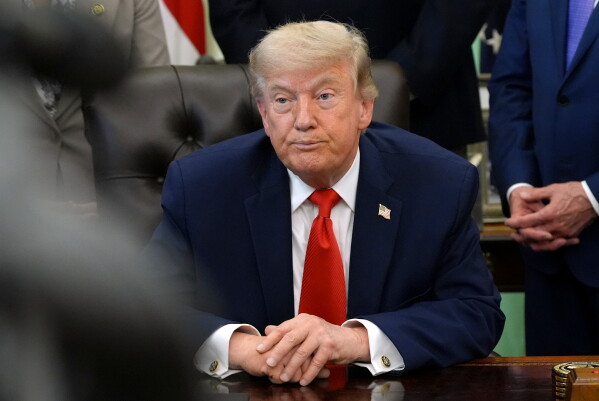
Recent analysis by the Associated Press-NORC Center for Public Affairs Research reveals a decline in support for President Donald Trump among independent voters during his second term. This trend is especially noticeable among those without a college degree. Initially, around 50% of such independents held a positive view of Trump around the 2024 election. By this spring, approval dropped to about 25%.
Earlier, an educational gap among independents led to differences in opinion. Now, both groups hold similarly negative views regardless of education levels. The analysis combines data from nearly 24 AP-NORC polls conducted from July 2024 to April 2026. This data highlights a consistent decrease in support from independents across various stages of Trump’s term, including the early days, the passage of significant bills, government shutdown episodes, and the onset of conflict with Iran.
Despite Trump gaining traction with certain groups during the 2024 election, such as Black and Hispanic independents, their support has waned. Tafari Torres, a senior research associate at NORC, noted that while partisan views remained stable, independents showed movement in opinion, reacting more to ongoing events.
Independents are, broadly, the people who are reacting to the events and dropping in their support,Torres stated.
In the early days of his second term, independents saw Trump as favorable on key issues like the economy. However, their views soured quickly. Among independents without a college degree, positive opinion fell from 48% pre-election to 31% early in Trump’s term, dropping further during the government shutdown and into early 2026. For college-educated independents, views shifted less dramatically from about 30% to slightly less throughout the same period.
Sean Collins, another NORC research associate, pointed out the surprising drop in support among those without college degrees, typically a strong component of Trump’s base.
The decline among no-college independents was steeper and greater than among college independents,Collins remarked.
Trump achieved success in 2024 in part by attracting groups traditionally leaning Democratic, such as Hispanic adults. Analysis from AP VoteCast reveals that about 42% of independent voters favored Trump in the 2024 election, up from 37% in 2020. However, these numbers have since dropped, with support among Hispanic independents falling to 15% around government shutdown periods, settling around one-quarter this spring.
Younger independents have also shown decreasing support for Trump, contrasting with the steadier approval seen among independents aged 60 and above. Economic issues, notably inflation and gas prices, contribute significantly to declining approval. AP-NORC polling indicates that only about 30% of independents approved of Trump’s economic efforts in May, consistent with earlier in his term. An April poll highlighted that a minority, 12%, approved of Trump’s approach to managing living costs.
According to analysis conducted over 21 surveys involving 4,836 independents, economic dissatisfaction aligns closely with negative views of Trump. Approximately 80% of independents described the US economy as poor, reflecting their sentiment toward his presidency.
 Sen. Cotton Opposes Permanent Daylight Saving Time
 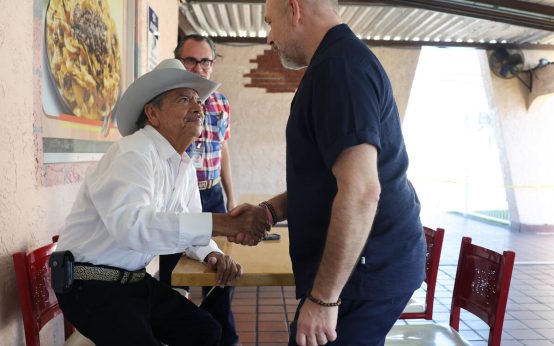 Steve Hilton’s Latino Outreach and Gubernatorial Ambitions
 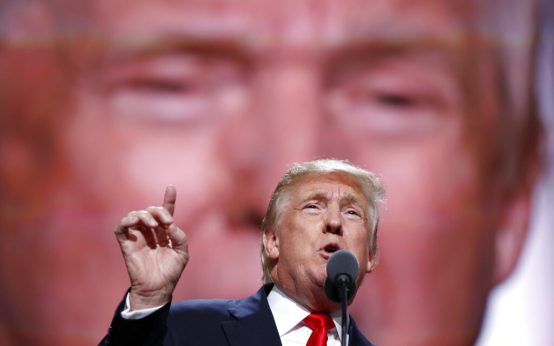 The Need for Reform in Presidential Nominations
  Controversy Surrounds Performances at Gillette Stadium
 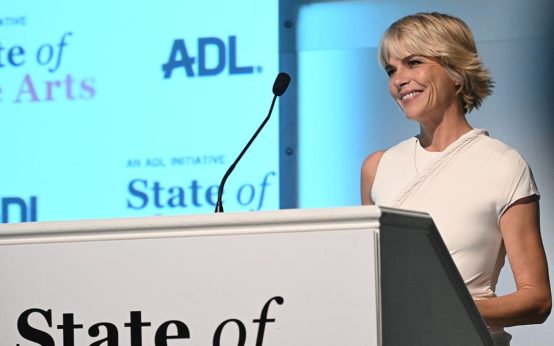 Celebrity Controversies Over Political Activism and Speech
  Trump Pushes for Permanent Daylight Saving Time, Sharing Senator’s Contact Information