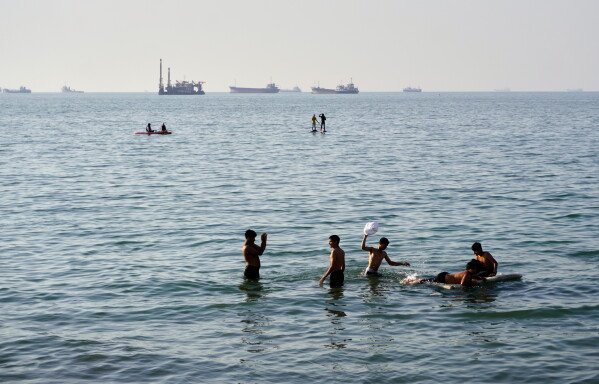
The United States and Iran are reportedly nearing a deal to conclude the war in the Middle East and reopen the Strait of Hormuz. Pakistani Prime Minister Shehbaz Sharif stated that the agreement is close to completion and may be finalized soon. Pakistan is ready for the electronic signing, with technical discussions set for the following week.
Although the White House has remained silent on the status of negotiations, Iran’s foreign ministry hinted at a potential signing in the coming days. Past proclamations of a breakthrough have not come to fruition.
Tensions flared as Iran exchanged fire with the U.S. and Israel earlier this week, raising concerns of escalating conflict. U.S. Central Command announced it had intercepted Iranian drones targeting commercial vessels in the Strait of Hormuz. The conflict initiated by the U.S. and Israel on February 28 has majorly disrupted oil and gas shipments from the Persian Gulf, despite a ceasefire being in effect since April 7.
What to Know:
- The deal involves a 60-day period to address Iran’s nuclear program.
- The U.S. and Israel’s main concern is Iran developing an atomic weapon, though Tehran claims its nuclear efforts are peaceful.
Iranian Foreign Minister Abbas Araghchi indicated that future negotiations following the initial agreement will finalize terms concerning Iran’s nuclear efforts. A U.S. administration official explained that details on disarming Iran’s enriched uranium would be settled during this period. The uranium, located under three sites impacted by previous U.S. strikes, is set to be removed or destroyed.
Reopening the Strait of Hormuz is also a key component of the deal. Araghchi mentioned Iran’s desire to impose charges on vessels transiting the strait; however, the U.S. and other nations have criticized this toll system as a breach of international law.
Blockages in the Strait have disturbed global energy supplies, elevating fuel prices and affecting food and fertilizer costs worldwide.
Sanctions relief for Iran is anticipated as part of the agreement. Three regional officials reported phased lifting of sanctions and unfreezing of Iranian assets, with an official signing ceremony expected soon after Washington and Tehran give their approval.
The impact on Lebanon remains uncertain. Iran demands the deal necessitates a ceasefire in Lebanon, where Israel engages with Hezbollah, supported by Iran. Israeli Defense Minister Israel Katz has asserted Israel’s intent to act independently, maintaining its positions in Lebanon, Syria, Gaza, and the northern refugee camps in the West Bank, regardless of further developments.
Conflicts persisted in southern Lebanon on Saturday, highlighting ongoing tensions in the region.
Contributions to the report came from various Associated Press writers, including Michelle L. Price, Aamer Madhani, and Russ Bynum.
 Potential Collision Averted as Duplicate Flight Numbers Cause Confusion Over Phoenix
  The Passing of Jason Arday Amid Controversy
 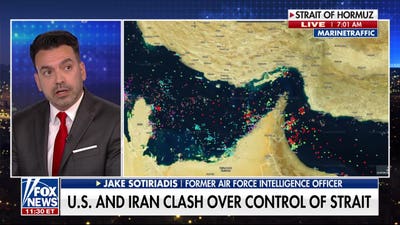 Trump Asserts US Dominance Over Strait of Hormuz Amid Economic Impact on Iran
  Taliban’s Fifth Anniversary in Power: Celebration Amidst Human Rights Concerns
 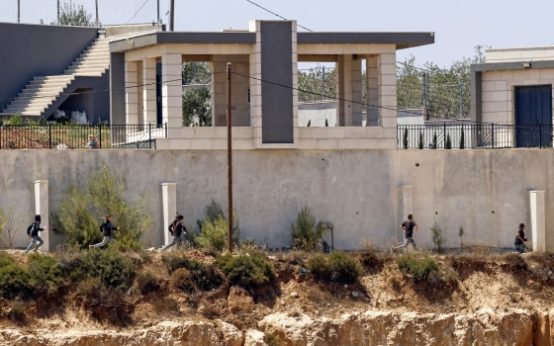 Settlers Seize Family Home in Qusra, West Bank
 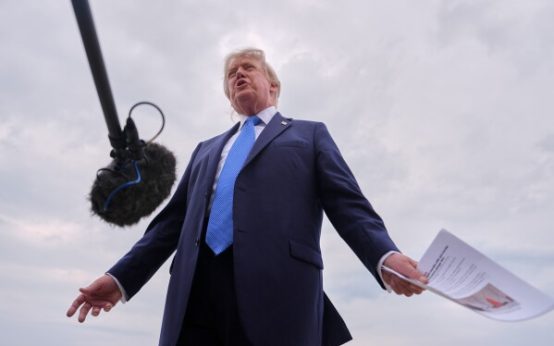 US Navy Faces Challenges Amid Iran Conflict and Pacific Shifts