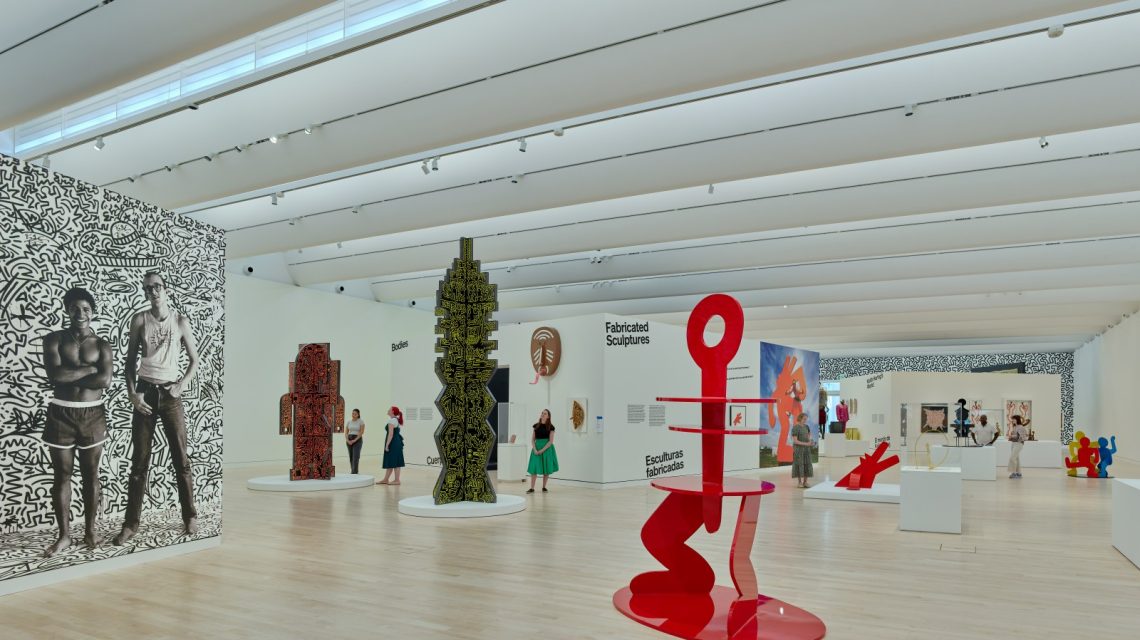
The Crystal Bridges Museum of American Art in Bentonville, Arkansas, is undergoing a significant transformation. Deputy Director of Curatorial Affairs, Austen Barron Bailly, sees the expansion of 114,000 square feet as a step towards more than just physical growth. This expansion increases the museum’s size by 50% and incorporates new galleries, studios, public spaces, and an elevated café. This change aims to establish a stronger connection between art, architecture, and the beautiful Ozark landscape.
Expanding Access
Bailly emphasizes that the expansion process starts with understanding the audience. The new design responds to visitors’ desires for broader cultural narratives, stronger connections to nature, and inclusive presentations of art and artists. With this added space, the museum can offer new collection displays, enhanced learning areas, and more interactive opportunities, including spaces focused on creating art and self-reflection. Bailly underscores that access involves more than just increasing attendance; it means providing various entry points into the museum’s stories.
Keith Haring and a Public-Facing Vision
The first show in the new 14,000-square-foot exhibition hall features Keith Haring’s work. Bailly explains that Haring’s art, known for its public-facing and accessible nature, aligns well with the museum’s expansion goals—to make contemporary art an integral part of public life rather than an isolated experience.
Diverse Paths to American Art
The museum strives to offer multiple paths for visitors to engage with its art. Bailly states they aim to present a wide array of stories through various contexts, materials, and moments that challenge assumptions. The objective is to help audiences find personal connections with the art, fostering curiosity and exploration.
Nature, Continuity and the Visitor Journey
The expansion, designed by Safdie Architects, further integrates the museum with its wooded surroundings. The design introduces new paths, pavilions, and visual connections to the surrounding landscape. Bailly notes that the visitor experience begins long before reaching the gallery walls, with the arrival, landscape, and architecture being part of the cohesive narrative. This design aims to blend outdoor and indoor experiences fluidly and naturally.
Supporting Artists, Shaping Possibility
Bailly highlights the museum’s dedication to supporting artists through residencies and investment in art creation. She believes artists help expand public imagination and inspire hope, resilience, and new possibilities. The museum’s mission includes nurturing an environment where artistic thought can permeate public life.
Telling Broader American Stories
The expansion allows the museum to tell more inclusive stories of American creativity, focusing on diverse art forms like craft and Indigenous works. The new space facilitates dialogue across different eras, materials, and traditions. Bailly points out that this curatorial shift challenges traditional hierarchies, showing a fuller picture of American art history.
Vision for Visitors
Through the expansion, Bailly hopes to instill a sense of curiosity and connection among visitors and highlight the museum’s ambitions. With new contemporary spaces, enhanced exhibition capacity, and a campus design that intertwines art and landscape, this growth is both physical and philosophical. Bailly envisions Crystal Bridges as a place where art is accessible, resonant, and interwoven with public life.
 Readers React to Miss Manners Column
 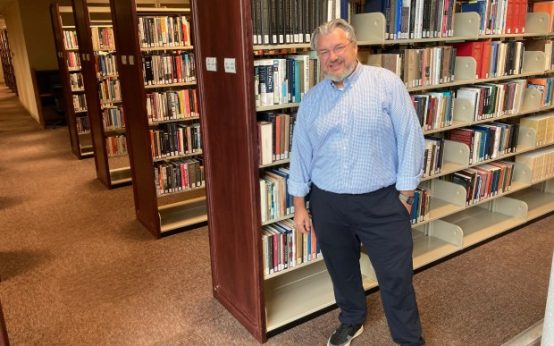 Troy Swanson: Award-Winning Librarian Transforming Academic Libraries
  Lisdoonvarna Matchmaking Festival: A Unique Tradition
 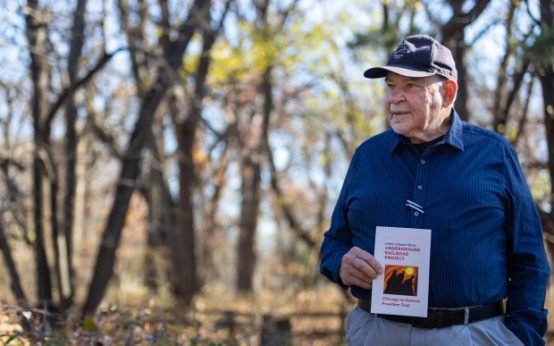 Midwest Underground Railroad Network Gains National Recognition
  Art Collective Critiques Administration with Mall Installation
  American Hagwon: A Tale of Family and the Korean Diaspora