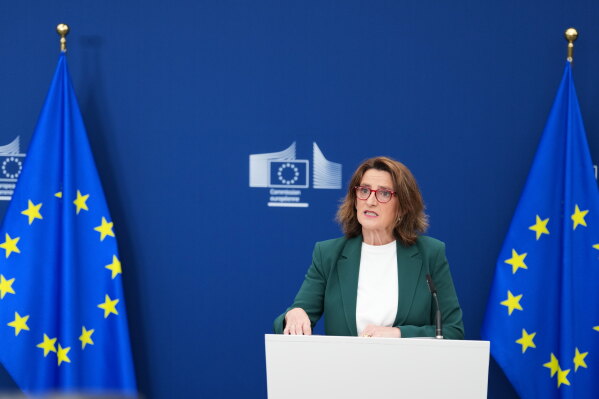
The United Kingdom announced plans to prohibit children under 16 from using several social media apps, including Snapchat, TikTok, and YouTube. Prime Minister Keir Starmer revealed the measure, aimed at protecting youth from harmful content and excessive screen time. This ban, expected to be enacted early next year, aligns with international efforts to enhance online safety for minors. Countries like Australia, Canada, Brazil, and Indonesia have initiated similar restrictions or laws regarding children’s access to social media.
Starmer, who has teenage children, stated, “Social media is making children unhappy.” The proposal received mixed responses, with some applauding the initiative and others questioning its practicality. YouTube and Meta warned that blanket bans might drive children towards unregulated platforms. Starmer admitted some youths might circumvent the ban but emphasized its enforcement potential, drawing parallels to underage drinking regulations.
Under pressure from party members critical of his leadership, Starmer affirmed the UK would implement measures exceeding those of Australia, which previously barred under-16s from social media accounts. Platforms failing to exclude minors may face hefty fines. The UK ban targets platforms including Snapchat, TikTok, YouTube, Instagram, Facebook, and X, excluding YouTube Kids and messaging services like WhatsApp.
Starmer asserted that the enforcement will focus on tech companies, not children, marking this as a significant step for the country. Further restrictions will include preventing stranger contact on gaming and livestreaming platforms and limiting AI chatbot usage to adults. The government is considering additional measures such as curfews and infinite scrolling breaks for under-18s, with more details forthcoming.
The announcement follows a public comment period yielding 116,000 responses, over 90% supporting the under-16 ban. Ellen Roome, an online safety campaigner whose son died following an online incident, welcomed the move, criticizing tech companies for lack of proactive change. However, critics argue the approach overlooks deeper issues, such as harmful social media algorithms.
Meta voiced skepticism, noting similar bans might isolate teens from online communities. Cambridge Professor Jon Crowcroft cautioned that while intentions are positive, bans might inadvertently drive minors to less safe sites and complicate device policing.
Additionally, concerns have been raised regarding age verification technology and privacy protection. The U.S. indicated potential diplomatic conflicts, emphasizing that regulations should respect free speech and avoid burdening American tech firms.
Starmer expressed optimism that global leaders, including U.S. President Donald Trump, would support protective measures for children at the upcoming G7 summit, confident that ensuring children’s safety is universally acknowledged.
 DNC Plan to Elevate Voices of Black and Latino Voters
  Clay Travis Discusses Trump’s Teleprompter Operator and Insider Trading Allegations
  The Challenges Facing American Detainees in Russia
  Highlights from Google’s Made by Google Event: Pixel 11 Features and More
  Generational Decline in Trust and Increasing Contempt in the U.S.
 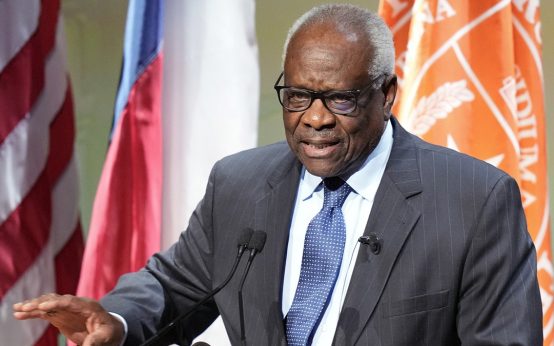 Clarence Thomas Shares Views on Race and Politics