Introduction
President Trump initiated a project to enhance the Reflecting Pool at the Lincoln Memorial. The aim was to address two primary issues: leaks and persistent algal blooms. After investing $14.2 million, the pool was intended to look pristine and reflect the color ‘American flag blue’.
Project Overview
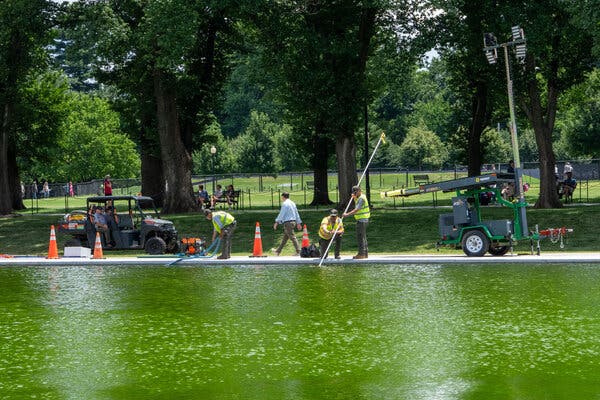
The restoration involved applying a dark blue waterproofing material to the concrete floor of the Reflecting Pool. This was part of efforts to prepare for the country’s upcoming 250th birthday celebration. However, shortly after completion, algae reappeared, covering parts of the pool with a green hue.
Algal Bloom Recurrence
Despite efforts to clean the pool, algae blooms were evident on its surface soon after refilling. This was attributed to residual algae in supply lines that hadn’t been used during the construction period.
Contractual Decisions
The administration sidestepped standard bidding procedures, granting contracts directly to two vendors. Atlantic Industrial Coatings was tasked with sealing concrete joints and applying the waterproof coating. Greenwater Services was selected to enhance water purification systems.
Current Status
National Park Service workers have been actively skimming algae from the pool. They have been assisted by Pearl Purity Water Solutions, responsible for water treatment since 2021. Despite ongoing cleanup, the green hue persists, disappointing some visitors who expect clearer reflections from the iconic site.
Public Perception
Reactions among visitors vary. Some, like Bonnie Garvin from Georgia, feel untroubled by the algae, noting its limited impact on non-swimmers. Others, such as Jessica Lea from Oregon, express dissatisfaction with the pool’s current condition.
Conclusion
Efforts continue to maintain and improve the Reflecting Pool, emphasizing a mix of restoration and dealing with environmental challenges. While the project aimed for aesthetic enhancement, practical difficulties remain, affecting visitor experiences and future management strategies.
 Sen. Cotton Opposes Permanent Daylight Saving Time
  Steve Hilton’s Latino Outreach and Gubernatorial Ambitions
  The Need for Reform in Presidential Nominations
 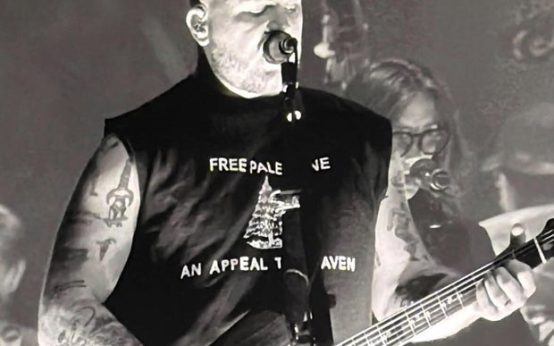 Controversy Surrounds Performances at Gillette Stadium
 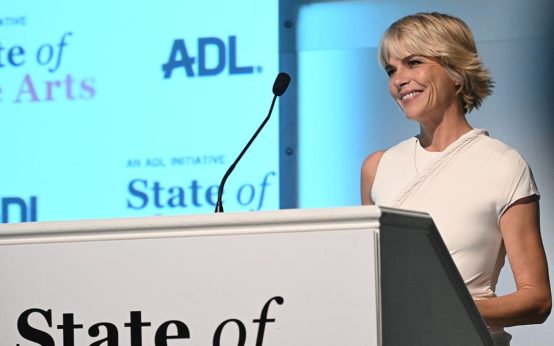 Celebrity Controversies Over Political Activism and Speech
  The Threat of Melting Glaciers: A Call to Action