A Vietnamese national, Tuan Phan, was sent back to Vietnam on Friday after more than a year in detention in South Sudan. The Trump administration had deported him there under a disputed third-country deportation program. South Sudan’s Ministry of Foreign Affairs confirmed his repatriation during a press briefing.
Spokesperson Agok Anyar commented on Phan’s behavior, noting, “We are grateful that while in our custody Mr. Phan was very disciplined, joyful, and importantly, he remained healthy.” Phan, along with seven others, was redirected to a U.S. military base in Djibouti in May 2025 after a judge halted their deportation to South Sudan citing procedural issues. After the Supreme Court approved their deportation, they reached Juba in July 2025.
The men, all with criminal convictions in the U.S., had completed their prison sentences before being detained last year. At least seven African countries have agreed to take in deportees who are not their citizens in return for financial aid from the U.S. Over 180 people have been relocated under the Third Country Deportation Watch program.
Critics have questioned South Sudan as a choice for deportations due to its poor human rights record, corruption, and political instability. In 2025, over 500,000 people were displaced during conflicts, as reported by the United Nations. Phan is the second from this group to be sent back to their home country; the first, Jesus Munõz-Gutierrez, was repatriated to Mexico in September. Dian Peter Domach, the single South Sudanese citizen in the group, was freed upon arrival. Remaining deportees come from Cuba, Myanmar, and Laos.
Tuan Phan moved to the U.S. in 1991 as a child and received a 25-year prison sentence in 2000 following a fatal gang-related altercation. His deportation was ordered in 2009 and he was detained by Immigration and Customs Enforcement after completing his sentence in March 2025.
In Juba, the deportees were housed under tight security, as reported by a U.S. Senate report. A congressional aide visiting last year was the first non-local official to see the detainees. Human Rights Watch’s Michael Bochenek noted the lack of external visits led to little independent scrutiny of the detainees’ treatment, raising concerns about human rights compliance and guarding against possible abuses.
The specifics of the deal between the U.S. and South Sudan remain unclear. Public documents indicate South Sudan sought benefits such as sanctions relief for a former official and assistance with prosecuting an opposition leader in return for accepting the deportees. However, the compensation for South Sudan and specific terms remain undisclosed.
 Heroic Passengers Prevent Catastrophe on Flight 1073
  FBI Director Kash Patel Announces Engagement to Country Singer Alexis Wilkins
  Brazil’s Presidential Race Heads to Runoff
 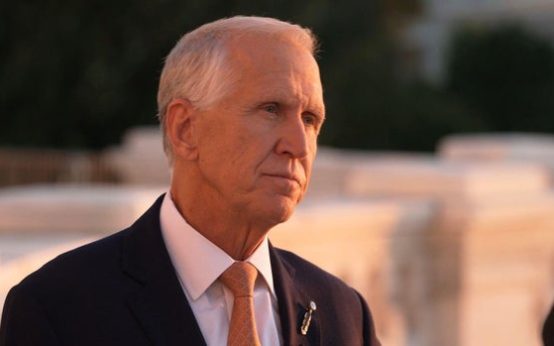 Sen. Thom Tillis Criticizes Trump’s Administration in New Book
  Israeli Prime Minister Calls for Comprehensive Security Review of Civil Flights
 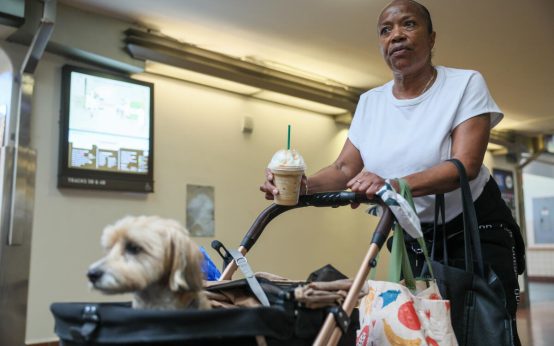 Metrolink Fare Hike Causes Discontent Among Commuters