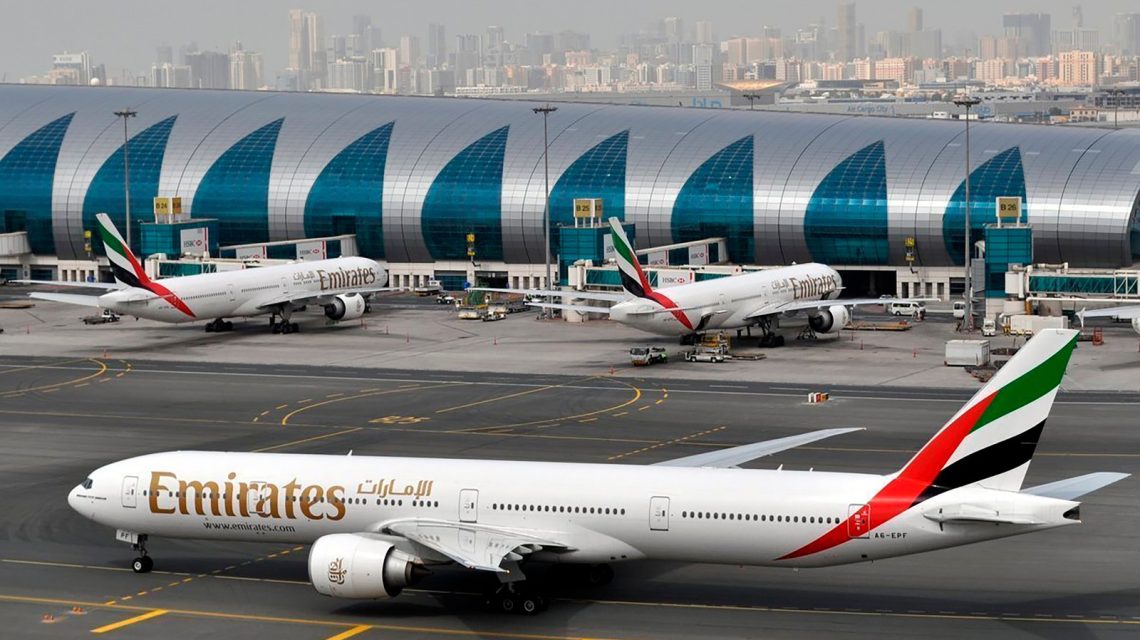
Resumption of Operations in the Middle East
Commercial aviation across the Middle East is gradually recovering following disruptions caused by the Iran war. The resumption is fraught with confusion as airlines deal with uneven schedules, waivers, and policy shifts. These factors complicate what might appear as a return to normalcy.
A ceasefire agreement brokered by the United States has re-opened crucial Gulf airspace corridors. This development enables airlines to restore routes that were suspended through one of the world’s essential global transit routes.
Impact of Initial Shutdown
The conflict, which started in late February, resulted in extensive airspace closures. This severed connections between continents, impacting Europe, Asia, Africa, and North America. Data from travel platform Wego highlights that tens of thousands of flights were grounded, and hubs like Dubai and Doha were temporarily isolated. This disruption marked the most significant systemic shock since the COVID-19 pandemic.
Patchwork Recovery: Regional Route Resumptions
Airlines are rebuilding networks, yet the pace of recovery remains fragmented. Active routes with one airline may still experience delays or restrictions with others.
Reports from aviation outlet Deep Arrival categorize the recovery into three tiers:
- Mainline Carrier Adjustments: Turkish Airlines has resumed services to major hubs, including Dubai, Damascus, Beirut, and Amman. Plans are in place to increase frequencies to Dubai and restart Abu Dhabi service in early July.
- Gulf Carriers: Emirates, Etihad Airways, and Qatar Airways have expanded operations significantly as airspace corridors open. Hubs in Dubai, Abu Dhabi, and Doha are largely operational, recovering much of their pre-conflict network.
- Western & European Carriers: Western operators remain cautious, with major European airlines extending suspensions or drastically reducing frequencies, avoiding particular regional flight paths.
Reasons for Flight Cancellations
The shutdown followed the targeting of Iranian military sites by the United States and Israel. The aftermath included the killing of Supreme Leader Ayatollah Ali Khamenei. Iran retaliated by targeting Israel and Gulf Arab states hosting U.S. forces. This led to airspace closures across several countries, including Iran, Iraq, Israel, Kuwait, Bahrain, and parts of Jordan. Airlines suspended routes, canceled flights, or rerouted them along more extended paths.
Regions with Ongoing Restrictions or Instability
While airspace is reopening, some regions still experience limitations:
- Iran: Airspace partially reopening under ceasefire conditions, yet travel advisories warning against travel remain.
- Iraq: Airspace open, but short-notice closures possible.
- Jordan: Partial airspace operations, including nightly closures.
- Kuwait: Airport not fully operational, with damaged infrastructure and some terminals closed.
- Syria: Limited international service, airspace partially open.
Caution Zones and Safety Advisories
Some areas maintain aviation safety advisories due to previous conflicts involving missile or drone threats, according to safefly.aero. Airlines selectively avoid certain paths or reduce frequencies.
Fully or Mostly Reopened Hubs:
- United Arab Emirates: Dubai and Abu Dhabi are fully operational.
- Saudi Arabia, Qatar, Bahrain, Oman: Largely open with some operational cautions, noted by Wego. However, schedules remain subject to last-minute changes.
 British Police Arrest Man Suspected of Terror Plot
  Activists Push for Nationwide Ban on Child Marriage in the U.S.
  Investigation into Alleged Incident at Cornell University
  Rising Drone Threats Highlight Vulnerabilities in Moldova’s Airspace Defense
  Bolivia Faces Security Test Amid Unrest
  Incident on FlyDubai Flight Raises Security Concerns