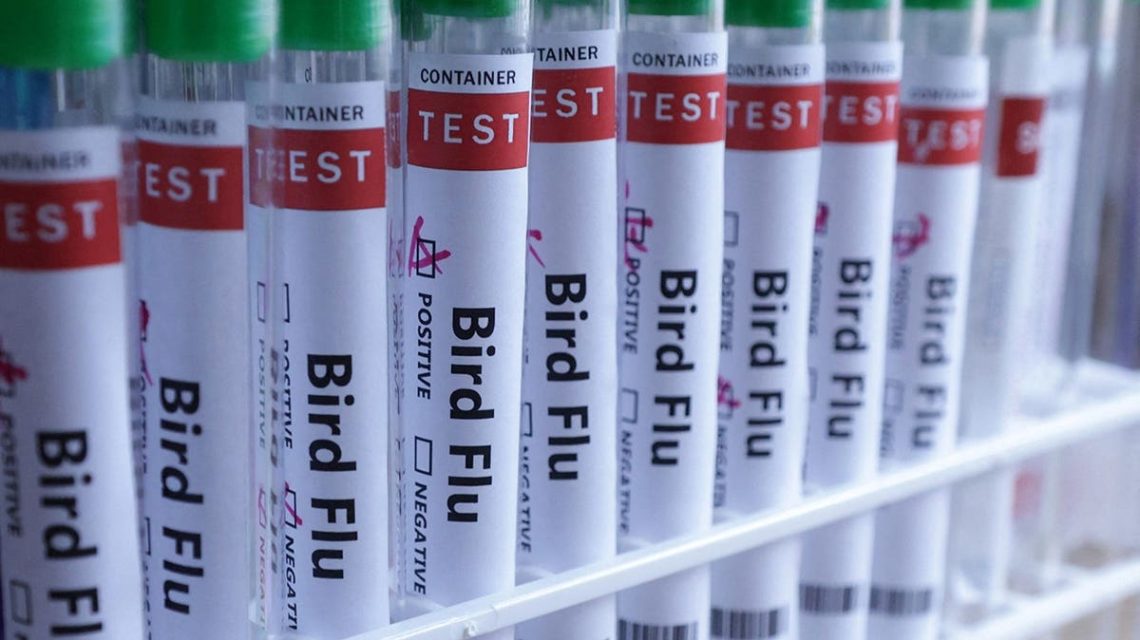
The H5N1 bird flu has been identified in Australia, marking the virus’s presence on every continent. The Australian Department of Agriculture, Fisheries and Forestry reported the case in a brown skua, found near Esperance on Western Australia’s south coast in Cape Le Grand National Park.
The Department of Primary Industries and Regional Development stated it is responding with a nationally coordinated plan with stakeholders across Western Australia. The goal is to minimize the disease’s impact.
In the U.S., the outbreak led to millions of bird deaths, causing grocery store price hikes and shortages, especially in eggs.
Bird flu’s transmission to humans remains rare.
Australia’s Agricultural Secretary, Julie Collins, acknowledged the inevitability of the virus’s arrival in Australia in a press conference.
“We all knew we couldn’t be bird flu-free forever,” she stated.
Western Australia’s agricultural minister, Jackie Jarvis, praised the early detection system for enabling timely action, including isolating the bird and testing.
“This shows that Australia’s and Western Australia’s preparedness measures have worked. We are pleased to see the surveillance and reporting system functioning as intended,” she added.
Testing indicated the strain was similar to that found on Heard Island and McDonald Islands near Antarctica, where wildlife suffered significant impacts last year, notably affecting elephant seal pups.
Jarvis confirmed no detections in poultry and no evidence of mass mortality within mainland Australia.
A second case involving another migratory bird is suspected near Esperance. Reuters contributed to this report.
 British Police Arrest Man Suspected of Terror Plot
  Activists Push for Nationwide Ban on Child Marriage in the U.S.
  Investigation into Alleged Incident at Cornell University
  Rising Drone Threats Highlight Vulnerabilities in Moldova’s Airspace Defense
  Bolivia Faces Security Test Amid Unrest
  Incident on FlyDubai Flight Raises Security Concerns