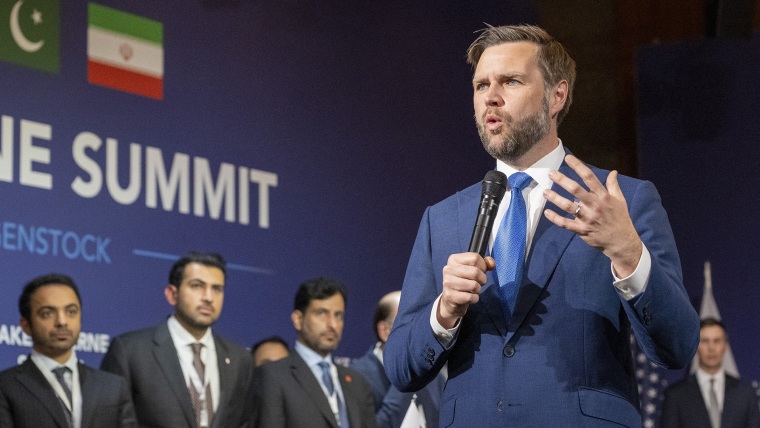
Background of Negotiations
Vice President JD Vance recently headed to Switzerland for a new phase in US-Iran negotiations. The discussions are crucial, as previous talks faced several obstacles. The focus is on addressing issues surrounding sanctions, nuclear inspections, and regional security.
Comparison of Previous Agreements
Analysts frequently compare Trump’s Iran deal with Obama’s 2015 agreement. Critics note differences in oversight and inspection measures. Trump’s plan has faced backlash from allies, raising concerns over potential impacts on regional stability.
Recent Developments
Iran temporarily closed the Strait of Hormuz, citing ceasefire violations as a cause. In response, the US lifted the naval blockade of Iranian ports, aiming to ease tensions and facilitate constructive dialogue.
US Strategies and International Reactions
Trump’s administration released the text of a new agreement, sparking debate within political circles. Some Republican leaders voiced skepticism, while international observers closely monitor the impact on relations with Israel and Hezbollah.
Vance’s Role and Future Outcomes
VP Vance’s involvement is deemed pivotal as nuclear inspectors plan to return to Iran under the drafted terms to conclude hostilities. The negotiations may redefine international alliances and influence market stability.
 Activists Push for Nationwide Ban on Child Marriage in the U.S.
  Democratic Hopes and Historical Warnings in 2026 Senate Race
  Republicans Face Challenges Amidst Cost of Living Concerns
 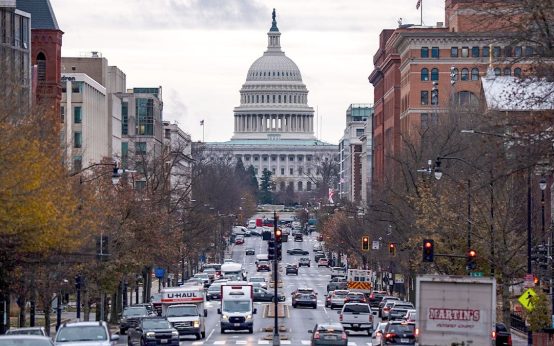 A Different Kind of Fall for Congress This Year
  Investigation into Alleged Incident at Cornell University
 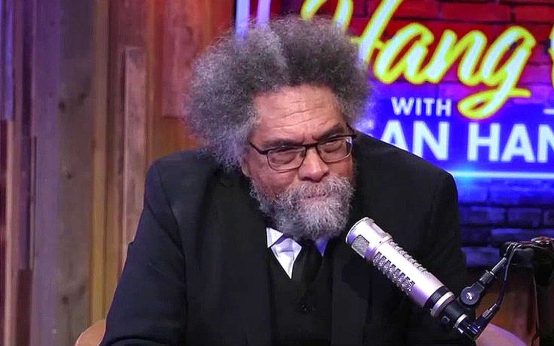 Cornel West and Sean Hannity Discuss Differences on Podcast