U.S. Energy Secretary Chris Wright reports that 67 ships have traversed the Strait of Hormuz in the last 24 hours, maintaining typical traffic levels for oil and related products despite the onset of war.
U.S.-Iran Peace Talks and Remarks
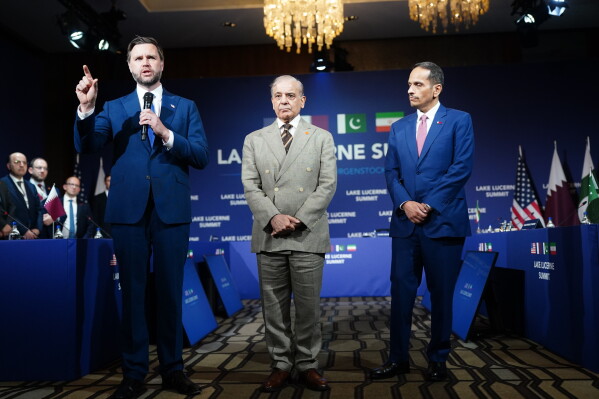
Vice President JD Vance stated on Monday that peace negotiations with Iran have laid the groundwork for a promising final agreement to conclude the conflict which began in February. These comments followed his meeting with Iran’s parliamentary speaker, Mohammad Bagher Qalibaf, where initial talks focused on achieving a lasting resolution to the conflict.
President Donald Trump criticized Italian Prime Minister Giorgia Meloni for allegedly asking repeatedly to take a photo with him at the recent G7 summit. He also expressed dissatisfaction regarding Italy’s perceived lack of cooperation during the Iran war. This criticism led Italy’s foreign minister to cancel a planned visit to the U.S.
Trump announced “multiple arrests” related to vandalism at the Reflecting Pool after a rehabilitation project appeared to fail. Amid this, the Middle East region’s demand for a peace agreement was emphasized by Vance, who clarified that the U.S. was not unilaterally imposing the agreement even though it included clauses on the Israel-Hezbollah conflict without Israeli or Lebanese representatives.
IAEA Inspections and Iran’s Nuclear Sites
Vance highlighted an agreement from Iran inviting International Atomic Energy Agency inspectors back, although Iran has not acknowledged this. The change’s extent remains unclear, particularly regarding site access bombed by the U.S.
Vance, speaking from Switzerland, noted that while the talks continue under technical oversight, he would return to Washington to ensure adequate political guidance. He underscored the ongoing communication with Israeli officials during negotiations, amidst criticism of sidelined Israeli participation.
Progress in U.S.-Iran Negotiations
Vance listed key strides including mechanisms to keep the Strait of Hormuz open, coordination for a ceasefire between Israel and Hezbollah, agreements on IAEA inspections, and structuring ongoing technical negotiations. He also mentioned a proposition by Jared Kushner that would allow unfrozen Iranian assets to purchase American-grown food. Although Iran has not responded to this measure, it indicates potential economic cooperation.
Despite threats from Iran to exit the negotiations, Vance defended Trump’s criticism of Iran’s negotiation behavior, noting that talks progressed regardless of tensions, establishing a solid foundation for conflict resolution.
International Aircraft and Infrastructure Updates
President Trump unveiled the new Air Force One, converted from a Qatari jet with distinct redesigns in color and national insignias. Despite maintenance issues with the Reflecting Pool, Trump attributed problems to vandalism, lacking substantial evidence.
The spat between Trump and Meloni continued as Trump claimed Meloni repeatedly requested a photograph during the G7 summit, which Meloni refuted as unfounded. Consequently, tensions led to diplomatic repercussions, including Italy’s foreign minister canceling a U.S. visit.
Overall, the second day of peace talks wrapped with progress amid U.S.-Iran tensions heightened by Trump’s remarks. Yet negotiators, along with Qatar and Pakistan’s mediation, etched paths to resolve conflicts and ensure key energy routes remain functional.
 The Trump Team’s Challenge to the Military Leadership
  Maryland First State to Restrict Electronic Pricing in Grocery Stores
  British Police Arrest Man Suspected of Terror Plot
 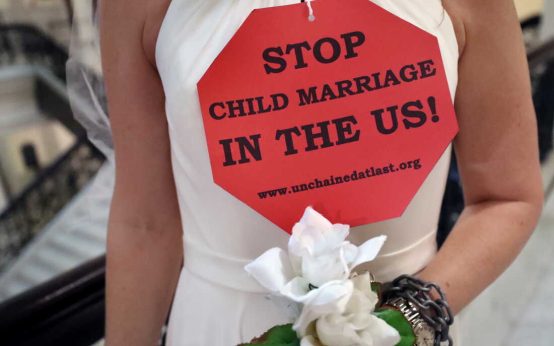 Activists Push for Nationwide Ban on Child Marriage in the U.S.
 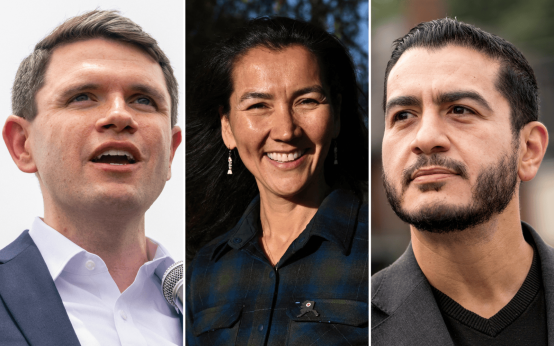 Democratic Hopes and Historical Warnings in 2026 Senate Race
  Republicans Face Challenges Amidst Cost of Living Concerns