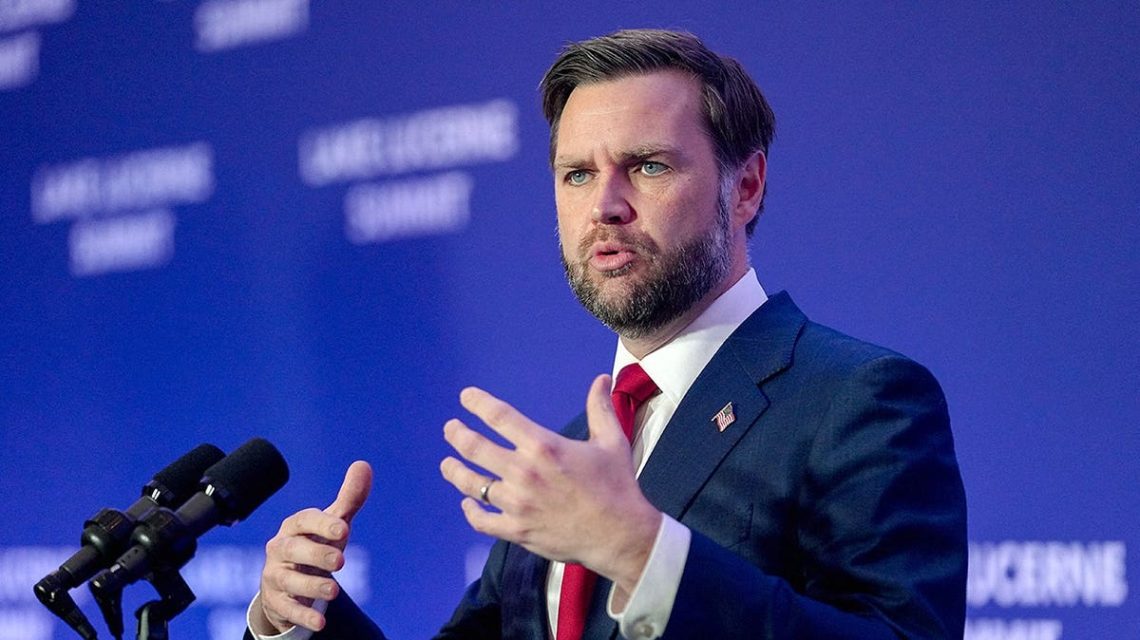
Vice President JD Vance shared key developments following US-Iran peace negotiations in Switzerland. Iran has agreed to allow International Atomic Energy Agency inspectors back into the country, marking a crucial step towards ensuring nuclear transparency.
Vance suggested that Iran could use its unfrozen assets to purchase US agricultural products. An agreement was also made to implement a deconfliction mechanism to support ceasefire operations.
Some discussion participants expressed doubts about the enforcement of these agreements and their long-term implications for regional stability.
“The U.S. delegation departed Switzerland with significant progress, laying the groundwork for ongoing talks,” a U.S. official commented.
Reports had surfaced that Iranian state media propagated misleading information about Vance, suggesting the Qatari prime minister avoided him. A U.S. official clarified that these reports were false, aimed at disrupting the negotiations.
Vance clarified in an interview that the alleged snub by Qatar’s prime minister was misrepresented by the media, with Qatari leader Sheikh Mohammed bin Abdulrahman Al Thani affirming this.
The discussions have already impacted the U.S., with oil prices falling on expectations of a successful resolution. However, some critics in the media have accused Vance of yielding too much in the negotiations, suggesting Iran benefits disproportionately.
Investigations revealed that pro-communist groups in the U.S. have been organizing protests against American actions in Iran. These groups are reportedly backed by Neville Roy Singham, a tech entrepreneur supporting China and Iran.
Despite external pressures, the U.S. remains focused on ending Iran’s nuclear ambitions. American-Israeli forces have been actively engaged with Iranian forces, leading to public concern in the U.S. about ongoing hostilities.
This is Vance’s second major attempt at peace talks, having visited Pakistan earlier this year for similar negotiations. Analysts have noted a shift in the political landscape, with increased speculation about Vance’s potential candidacy for the presidency in 2028.
 The Threat of Melting Glaciers: A Call to Action
 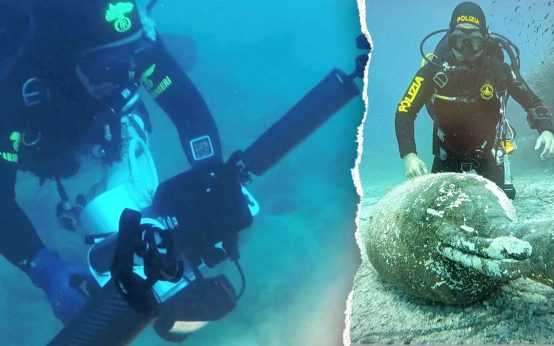 Police Discover Ancient Roman Artifacts Off Sardinian Coast
 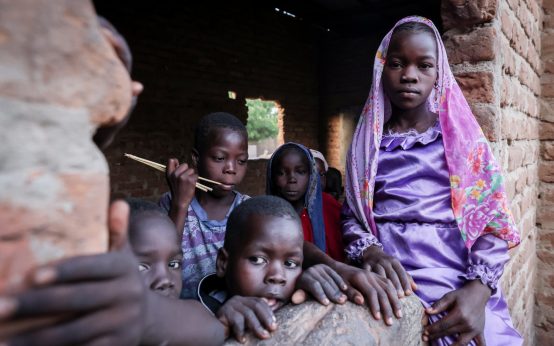 Urgent Need for Action in East Africa’s Food Crisis
 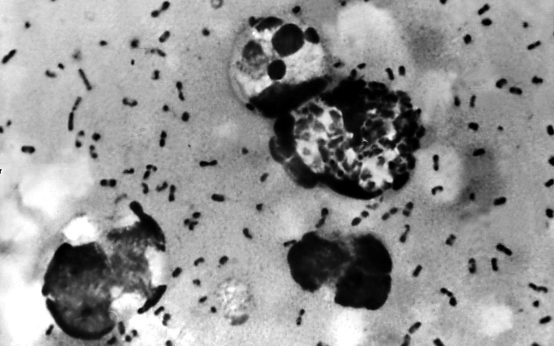 Suspected Plague Death in Siberia Sparks Health Measures
 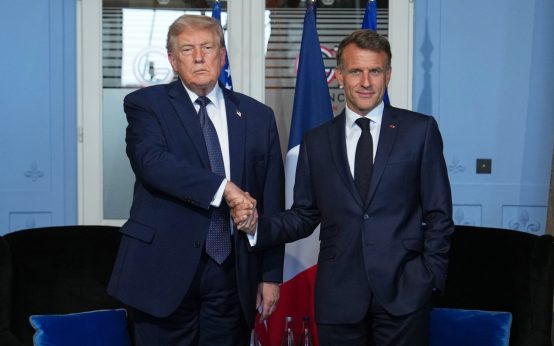 G7 Nations Agree to Release 100 Million Barrels of Oil Amid Fuel Price Surge
  Co-Pilot Attempts Hijack on Flight to Tel Aviv