
On July 4th, Americans commemorate the nation’s 250th anniversary. For over two centuries, the United States has represented a haven of freedom for people worldwide. The Bill of Rights, comprising the first 10 amendments to the Constitution, enshrines freedoms such as religion, speech, and assembly. These liberties have consistently drawn millions seeking to thrive under the umbrella of American freedom and pursue the American Dream.
Understanding the American Dream
The term ‘American Dream’ was popularized in 1931 by historian James Truslow Adams in ‘The Epic of America.’ He described it as a society where individuals, irrespective of their backgrounds, can chase their aspirations, limited only by their abilities. This idea, shared during the Great Depression’s depths when national confidence was faltering, continues to resonate with optimism.
Real-life examples of this promise abound: an Egyptian immigrant taxi driver whose son is earning a master’s in engineering, a Chinese doorman whose daughter recently became a doctor, and fresh arrivals from countries like Cuba and Yemen, reveling in their newfound freedoms.
The Political Debate on the American Dream
However, political figures, especially from the left, argue that the American Dream is in jeopardy. Politicians such as Vermont Senator Bernie Sanders and New York Representative Alexandria Ocasio-Cortez assert that the system is rigged against average citizens. The notion that billionaires evade accountability and undermine the average person’s ability to get ahead is a recurrent theme in their discourse.
“The right wing’s entire political agenda involves lying to and screwing over working and middle-class Americans,” states Ocasio-Cortez.
Such perspectives have impacted public sentiment. A Gallup poll by the Milken Center for Advancing the American Dream reveals a decline in belief that everyone can achieve the American Dream—from 51% in 2024 to 46% presently.
Examples of Inspiration and Challenges
The enduring appeal of opportunity has fostered great entrepreneurial ventures, keeping the U.S. ahead globally. Elon Musk moved from South Africa to capitalize on America’s unique business prospects. Sergey Brin, co-founder of Google, relocated from Russia due to his family’s concerns about antisemitism, subsequently achieving tremendous success.
Beyond extraordinary achievements, many people strive to offer better futures for their families. Stories like Matt Proulx’s—a Hasbro executive from a large family that adopted numerous foster children—highlight everyday triumphs. Despite humble beginnings, his family embodies the American Dream, as their home resonated with love and hope.
Yet, the path to the Dream is not universally accessible. Education plays a crucial role in realizing individual potential, but systemic educational deficiencies hinder access, especially for minority groups. In New York, significant portions of Black children do not attain necessary reading skills, obstructing their path to the Dream, despite political claims of support.
The Future of the American Dream
The drive to weaken belief in the American Dream is tied to expanding political power through welfare states, according to critics. Critics argue that a populace reliant on government aid strengthens political control, whereas self-sufficient individuals are less likely to seek government assistance.
The longevity of the U.S. and its principles depend on adhering to its founding ideals: hard-working citizens contributing to the economy and aiding those genuinely in need. As Americans celebrate the nation’s founding with fireworks and festivities, they are urged to uphold the values that have distinguished the country and ensure its durability for centuries.
For more insights from Liz Peek, visit her website and follow her on Twitter.
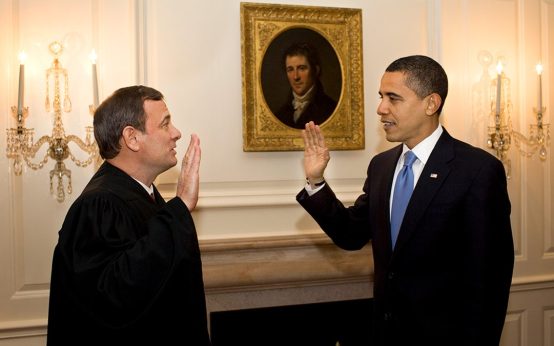 Jonathan Turley: Left Demonizes Supreme Court
 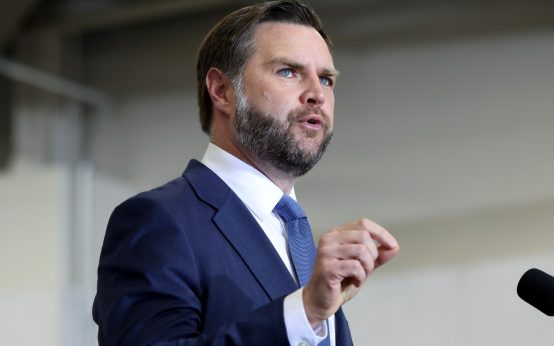 The Role of JD Vance in Addressing Working-Class Concerns
  Reviving Conventional Wisdom: Tracking Political Figures and Forces
  Aaron Sorkin’s New Film Sparks Debate on Free Speech and Tech Regulation
  Accountability Across Boundaries
  Reflecting on a Career at Fox News