
The Supreme Court delivered a 6-3 decision allowing the federal government to strip returning green card holders of their legal status if they travel abroad with pending, unproven criminal allegations. This decision was met with strong opposition from Justice Ketanji Brown Jackson. She criticized the conservative majority for bypassing congressional limits and giving the executive branch undue power, which could affect millions of permanent residents.
Justice Jackson expressed concern that even in wartime, Congress rarely provides such unrestricted powers to the President. She warned that a government opposed to immigration might misuse regular travel actions to detain legal residents based on allegations that might not lead to convictions.
The ruling in the case of Blanche v. Lau favors the Trump administration’s immigration stance. Now, green card holders must demonstrate their right to stay in the U.S., shifting the burden of proof from the government to the individuals.
Case Background
The central figure in the case, Muk Choi Lau, a lawful permanent resident, encountered immigration parole in 2012 after returning from a short trip abroad. He faced a pending state charge for trademark counterfeiting. He argued that the government’s use of parole to initiate deportation after he pleaded guilty was overreach. The lower appellate court sided with Lau, stating that clear evidence of a crime at reentry was necessary, not a pending accusation.
The Supreme Court, however, saw no issue. Justice Clarence Thomas, representing the majority, argued that federal officials need to make quick decisions at the border. The suspicion of a crime was enough to pause reentry processes while charges were pending.
Justice Jackson, along with Justices Sonia Sotomayor and Elena Kagan, opposed this reasoning. They argued that treating permanent residents like newcomers based on accusations opens a door to executive overreach beyond the limits set by Congress.
Challenges Ahead
The court still faces cases linked to former President Trump’s initiatives to end birthright citizenship, enforce restrictive asylum policies, and cease temporary protections for migrants from conflict zones.
 Rahm Emanuel Advises Against Impeaching Trump and Calls for Ethics Reforms
 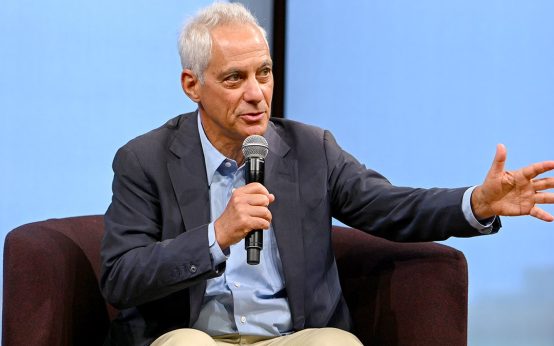 Rahm Emanuel Discusses Potential Presidential Run and Jewish Identity
 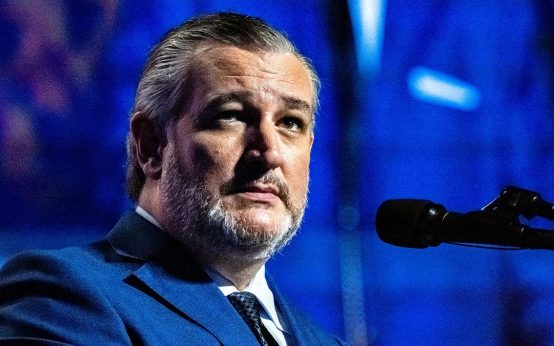 JD Vance’s Influence Grows as 2028 Speculations Arise
  Laura Ingraham Criticizes Democratic Policies on ICE and Immigration
 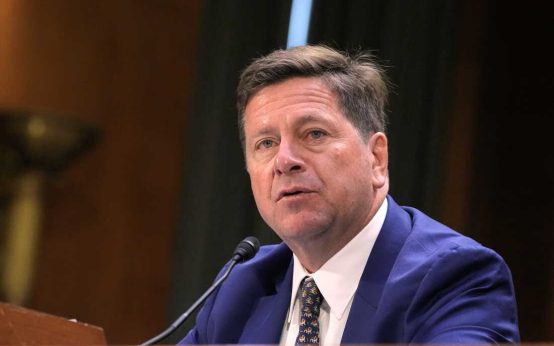 Jay Clayton Appointed as White House AI Czar
 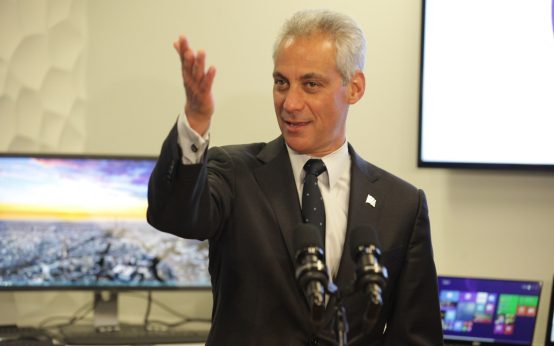 Debate Over Democratic Socialism Intensifies Within Democratic Party