
The Senate recently approved a war powers resolution aimed at halting U.S. military action against Iran. This marks the first time the Senate has supported such a measure, responding to growing unease over President Donald Trump’s approach to the conflict. Passed on a 50-48 vote, this resolution is largely symbolic but signifies bipartisan concern about the ongoing situation.
Senate Democrats, led by Senator Chuck Schumer, criticized Trump’s actions in Iran as a costly foreign policy error. Four Republican senators, including Lisa Murkowski, Susan Collins, Rand Paul, and Bill Cassidy, joined the Democrats in supporting the resolution. One Democratic senator, John Fetterman, voted against it.
The absence of two Republican senators due to health issues, including Mitch McConnell, influenced the vote outcome. The resolution has already been approved by the House, reflecting similar bipartisan concerns there.
The Pentagon is seeking $80 billion from Congress to fund the military actions in Iran, which raised debates about defense spending versus public needs like lowering gas prices.
President Trump plans to meet with Republican senators to discuss the Iran deal further, following Vice President JD Vance’s overseas negotiations to halt Iran’s nuclear ambitions. The terms of the Iran deal, agreed upon in a recent memorandum of understanding, have sparked division among Republicans. Notably, the $300 billion fund to aid Iran’s rebuilding is a contentious element.
Senate Democrats have persistently initiated votes to restrict military actions in Iran, though the narrowly divided chamber has stalled past efforts. While President Trump could veto any passed measure, the resolution serves as a congressional rebuke of his military actions.
Defense Secretary Pete Hegseth is on Capitol Hill requesting significant funds, far exceeding the initial war costs estimated at $11.3 billion. Some lawmakers, like House Democratic Leader Hakeem Jeffries, opposed further taxpayer spending on what he termed ‘Operation Epic Failure.’
The administration’s funding request aligns with an ambitious $1.5 trillion defense budget, aiming to bolster military funding similarly to the tax cuts package from years prior. The GOP aims to pass parts of this package despite potential Democratic objections.
 DNC Plan to Elevate Voices of Black and Latino Voters
 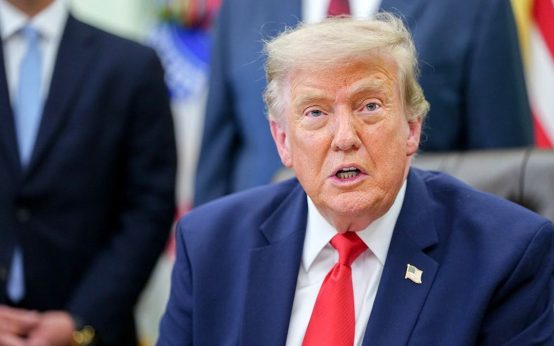 Clay Travis Discusses Trump’s Teleprompter Operator and Insider Trading Allegations
  Generational Decline in Trust and Increasing Contempt in the U.S.
  Clarence Thomas Shares Views on Race and Politics
  Maryland Tax Court Rejects State’s Digital Advertising Tax
 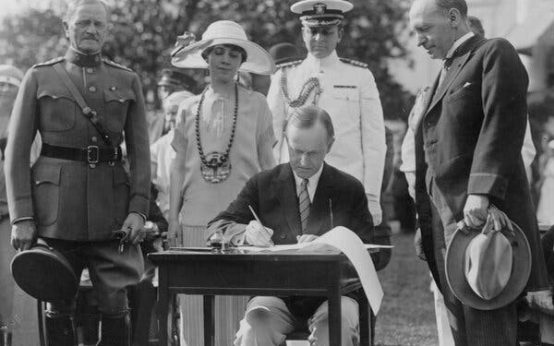 Trump’s Immigration Policy and Its Historical Parallels