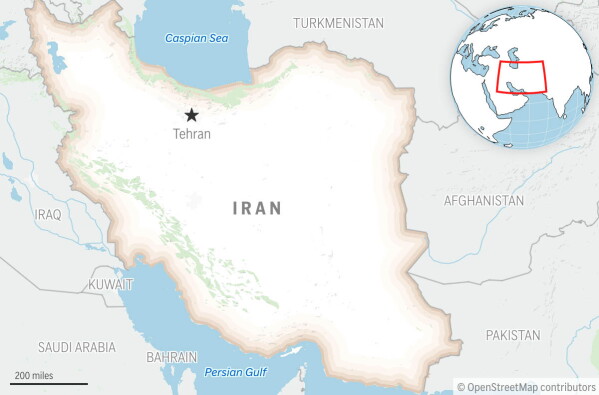
The leader of the U.N.’s nuclear agency, Rafael Mariano Grossi, indicated that his inspectors would soon visit Iranian nuclear enrichment facilities. This is a pivotal element of the interim U.S.-Iran agreement aimed at ending the ongoing conflict. However, an Iranian diplomat asserted that such inspections would only occur with a final agreement.
The U.S. and Iran provided opposing statements on Tuesday regarding the inspection of these sites. Despite the signing of the interim deal last week, U.S. and Iranian leaders publicly continue to dispute the document’s terms.
Grossi acknowledged the current ‘war of words’ concerning Iran’s nuclear program. This debate also encompasses other issues, such as the conflict involving Israel and Hezbollah, and Tehran’s plans for future spending with unfrozen funds. Both nations set a 60-day period to resolve these matters privately. Until then, public negotiations continue, which could threaten the fragile ceasefire in the area.
The IAEA head emphasized the inspection’s inevitability, stating, “The accord explicitly outlines that the nuclear activities regarding nuclear material facilities will be supervised by the IAEA.” He added that inspections are bound to happen, although the timing remains uncertain.
Iranian official Kazem Gharibabadi criticized Grossi’s statements, reinforcing that inspections would only be part of a comprehensive agreement and require substantive action from the other side to lift sanctions.
The IAEA has access to some Iranian nuclear sites, like the Bushehr nuclear plant. However, it cannot verify Iran’s nuclear stockpile without inspecting the enrichment sites. Although Tehran claims not to enrich uranium presently, experts fear Iran might relocate its stockpile to hidden locations.
While both countries agreed last week on a deal demanding Tehran to reduce its uranium levels, the ceasefire faced challenges following further regional tensions. Israel’s military actions, such as airstrikes in Lebanon, underscore this instability, with Israel maintaining a military presence due to perceived Hezbollah threats.
U.S. Secretary of State Marco Rubio is meanwhile engaging in a diplomatic tour in the Persian Gulf. He met with Emirati President Mohammed bin Zayed Al Nahyan in Abu Dhabi and later traveled to Kuwait to mark the partial reopening of the U.S. Embassy.
The technical discussions between the U.S. and Iran are anticipated to resume in Switzerland, coordinated by Pakistani officials mediating the dialogue.
 The Threat of Melting Glaciers: A Call to Action
 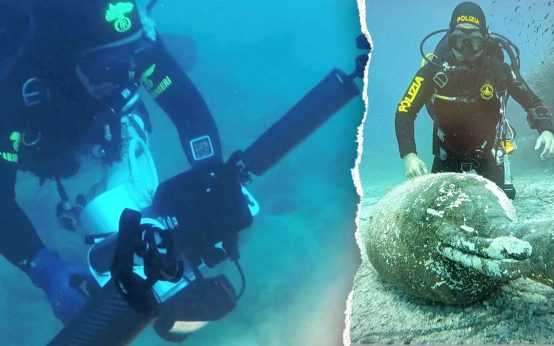 Police Discover Ancient Roman Artifacts Off Sardinian Coast
 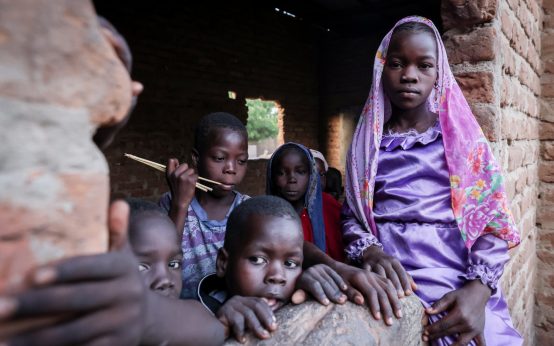 Urgent Need for Action in East Africa’s Food Crisis
  Suspected Plague Death in Siberia Sparks Health Measures
 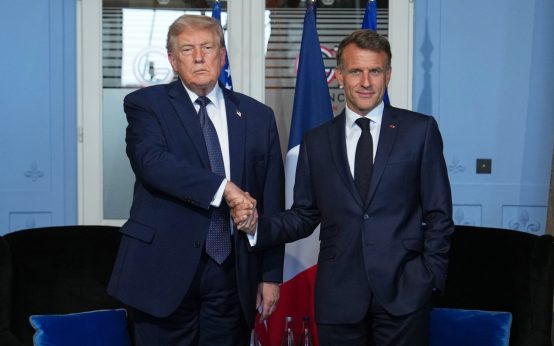 G7 Nations Agree to Release 100 Million Barrels of Oil Amid Fuel Price Surge
  Co-Pilot Attempts Hijack on Flight to Tel Aviv