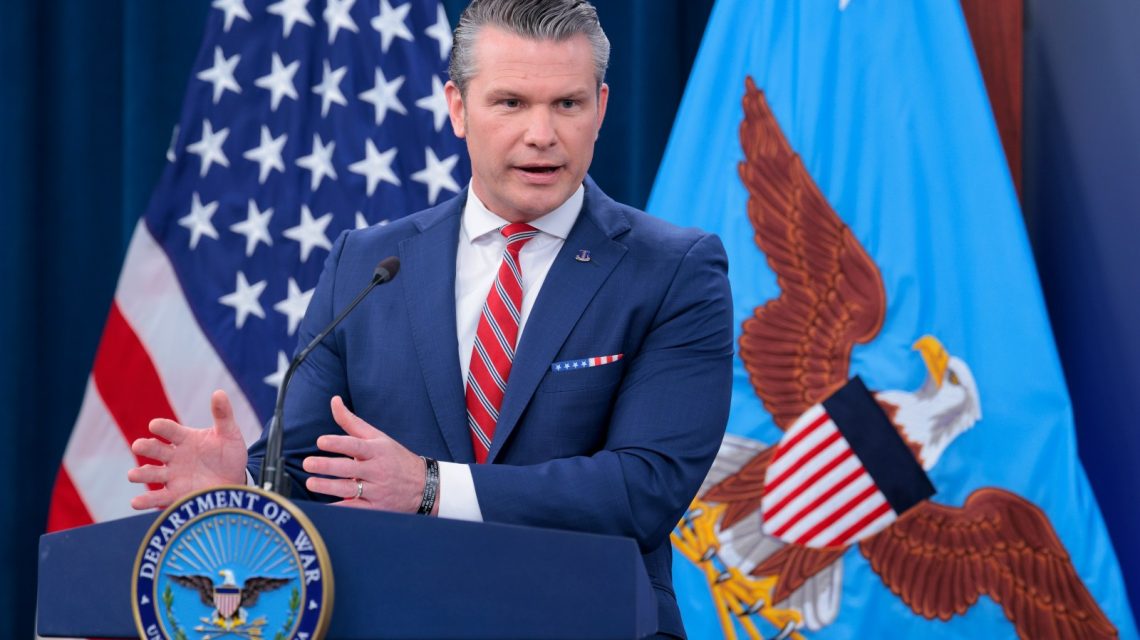
The recent wave of high-level firings at the Pentagon has caused bipartisan concern in Congress, as lawmakers express worries that the loss of senior military leaders might undermine decision-making during times of conflict and global uncertainty. This situation includes the departure of General Chris Donahue, commander of U.S. Army Europe and Africa, intensifying scrutiny over the reasons leading to these exits. Critics argue that the lack of transparency risks eroding confidence within the military ranks.
A Pentagon spokesperson has stated that these changes are aligned with longstanding policies, where senior military leadership serves at the discretion of civilian authorities. Chief Pentagon Spokesman Sean Parnell emphasized, “General officers and flag officers serve at the pleasure of the President and the Secretary of War. They always have and always will.”
Senator Tim Kaine, a Democrat from the Senate Armed Services Committee, has indicated that lawmakers might take action if the Pentagon fails to provide clearer answers. This shows potential bipartisan support for oversight measures.
Risks to Military Advice
Speaking on CBS’ Face the Nation, Senator Kaine acknowledged concerns similar to those raised by senior military figures, suggesting recent firings could discourage candid advice at the highest levels. Kaine questioned if these changes indicate a shift within the Pentagon, asking if truth-tellers were being pushed out for yes-men. He inferred that the firings were heavily focused on the Army.
Kaine remarked that Secretary Hegseth’s previous service in the Army National Guard might explain why Army officers seem targeted. “That’s a grudge he’s carried,” Kaine said, wondering if the personnel changes reflected personal bias or served national interests.
Beyond individual dismissals, the broader reshaping of military leadership under Hegseth has provoked criticism from lawmakers and former commanders. Critics emphasize that while the defense secretary has authority to remove senior officers, it is the method of those removals and the signals they send through the chain of command that concern them.
Former officials warn of career risks for officers who disagree with leadership views, fearing it could alter decision-making in active combat zones and limit diverse perspectives at crucial moments.
GOP Criticism Emerges
Discontent isn’t limited to Democrats. Republican lawmakers have raised alarms over national security leadership, indicating bipartisan unease. Senator Thom Tillis from North Carolina warned that prioritizing loyalty over merit in sidelining experienced officers could harm military effectiveness.
Representative Don Bacon, also a Republican and former Air Force brigadier general, harshly criticized the firings. His accusatory post on X highlighted a “lack of character” while cautioning that removing respected officers without explanations risks politicizing the military.
Republican divisions over defending Pentagon authority to reshape leadership versus concerns about the scope and speed of these changes have raised serious questions within the party.
Guardrails Debate Emerges
The debate is fueled by broader leadership changes under Hegseth, not limited to a single case. Since assuming office in early 2025, the defense secretary initiated several high-level departures, including the removals of Army Chief of Staff General Randy George, General David Hodne, and Major General William Green Jr.
Further changes in senior leadership unfolded throughout 2026, involving high-ranking officers being reassigned or leaving posts as part of the Pentagon’s leadership overhaul. Although these moves were framed to reshape military leadership, critics note the unusual scale and timing amid ongoing U.S. military engagements abroad.
Retired Army Major General Randy Manner described the situation as “dangerous,” concerned that removing senior officers without clear reasons could discourage others from offering candid advice during wartime. He emphasized that such a dynamic does not instill confidence in American military personnel.
Donahue’s departure is a central point in these discussions. Widely regarded for his experience, he led key operations during the U.S. withdrawal from Afghanistan and served in elite units for decades. His exit without clear reasoning has drawn scrutiny, with lawmakers highlighting his record as indicative of broader implications for military morale.
Senator Kaine remarked, “There are a lot of questions and very few answers.” He expressed concern over the lack of clarity, noting bipartisan respect for Donahue’s service.
Uncertainty now influences the debate over the annual defense policy bill, the National Defense Authorization Act, set for Congressional review soon. While the Senate bill does not yet address the firings, provisions could be added as scrutiny increases.
In the House, lawmakers pushed a proposal requiring the Pentagon to inform Congress within five days when removing senior military officials. This approach prioritizes oversight without limiting authority.
The debate reflects tension between Pentagon authority to reshape military leadership and Congressional oversight, especially with U.S. forces engaged overseas making strategic decisions with heightened risks.
Any reporting requirements or limits on firings proposed in the defense bill could become highly observed, with lawmakers balancing transparency against executive control over military personnel.
For now, Kaine suggested lawmakers are seeking answers from the Pentagon, stating that patience is limited. “We don’t yet have good answers from the Pentagon,” he concluded.
 Byron Donalds Targets Black Voters in Florida Governor Race
  Brazil’s Presidential Race Heads to Runoff
  Sen. Thom Tillis Criticizes Trump’s Administration in New Book
  Controversy Surrounds Steve Hilton’s Campaign Ad Amid Gubernatorial Race
  Trump Calls for Probe into Alleged ‘Paid Protesters’
  Donald Trump Criticizes Fox News for Rally Coverage