Millions of Americans with student loan debt face significant changes starting July 1. The One Big Beautiful Bill Act (OBBBA) introduces major shifts in how loans are repaid, borrowing limits, and available programs. These adjustments could lead to fewer repayment options and new monthly payment calculations, impacting millions enrolled in the previous plans.
Significance of the Overhaul
Over 40 million Americans have federal student loan debt. The upcoming changes might significantly affect their monthly payments and long-term financial commitments. Financial experts caution that inaction or selecting the wrong repayment plan may result in higher bills or loss of access to loan forgiveness options.
With many plans officially being phased out, July 1 marks the beginning of changes under the One Big Beautiful Bill Act,said Alex Beene, a financial literacy instructor at the University of Tennessee at Martin.
The notable change affects those on a repayment assistance plan, consolidating into one income-based repayment option with mandatory monthly payments.
Key Changes Effective July 1
1. End of the SAVE Plan
The Saving on a Valuable Education (SAVE) plan will cease. Around 7 million borrowers will need to transition to a new repayment option. Starting July 1, loan servicers will issue 90-day notices. If no action is taken, borrowers will be auto-enrolled into a standard repayment plan with potentially higher monthly payments.
The Department of Education criticized the SAVE Plan for its lack of congressional authorization, leading to false promises of low payments and quick loan forgiveness.
2. Introduction of a New Repayment System
Repayment options will simplify but reduce flexibility. New borrowers will have two choices: a Standard Repayment Plan with fixed payments or a Repayment Assistance Plan (RAP), which is income-based with payments between 1-10% of income. Loan forgiveness under RAP requires 30 years of repayment, longer than the usual 20-25 years.
3. Limited Choices for Existing Borrowers
Existing borrowers retain some legacy plan options temporarily, but most will eventually shift to RAP or standard plans. New loans post-July 1 will adhere to the new system, limiting available options.
4. Elimination of Graduate PLUS Loans
Grad PLUS loans, commonly used by graduate students, will no longer be available for new borrowers as of July 1. These loans previously allowed students to borrow up to their total cost of attendance.
5. New Borrowing Limits
Student loans now have stricter caps. Graduate programs are limited to $20,500 annually or $100,000 total. Specific professional degrees may borrow up to $50,000 annually or $200,000 total. Parent PLUS loans cap at $20,000 annually and $65,000 lifetime per student.
The higher interest rates will significantly increase the cost for borrowers and caps may force students to opt for private loans,warned Kevin Thompson, CEO of 9i Capital Group.
6. Changes to Public Service Loan Forgiveness (PSLF)
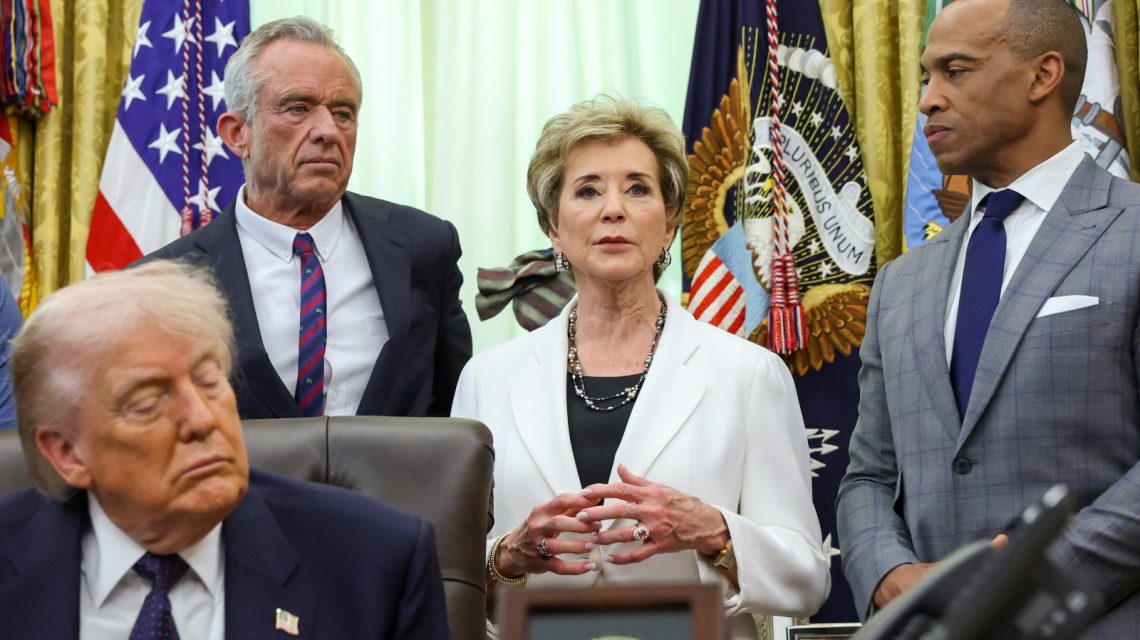
PSLF criteria are updated, potentially disqualifying some organizations. Education Secretary Linda McMahon now holds the authority to exclude employers engaged in illegal activities from forgiveness eligibility.
7. Auto-Pay Interest Rate Incentive
The Education Department offers a 1% interest rate reduction for borrowers on auto-pay through June 30, 2028. Under Secretary of Education Nicholas Kent stated, We’re simplifying repayment, and borrowers should seize this temporary rate reduction to maximize benefits.
Next Steps for Borrowers
July 1 serves as the starting point for enforcement, with plan change notifications throughout the summer. Borrowers typically have 90 days to respond upon notice. The transition away from outdated repayment plans will continue until 2028.
 Troy Swanson: Award-Winning Librarian Transforming Academic Libraries
  Cornell University to Investigate Handling of Alleged Assault Case
  Legal Challenge Against School Funding Inequalities in West Virginia
  Potential Changes Loom for School Voucher Programs
  Regents Exam Elimination Raises Concerns Over Student and School Accountability
  Education Funding Disparities in West Virginia