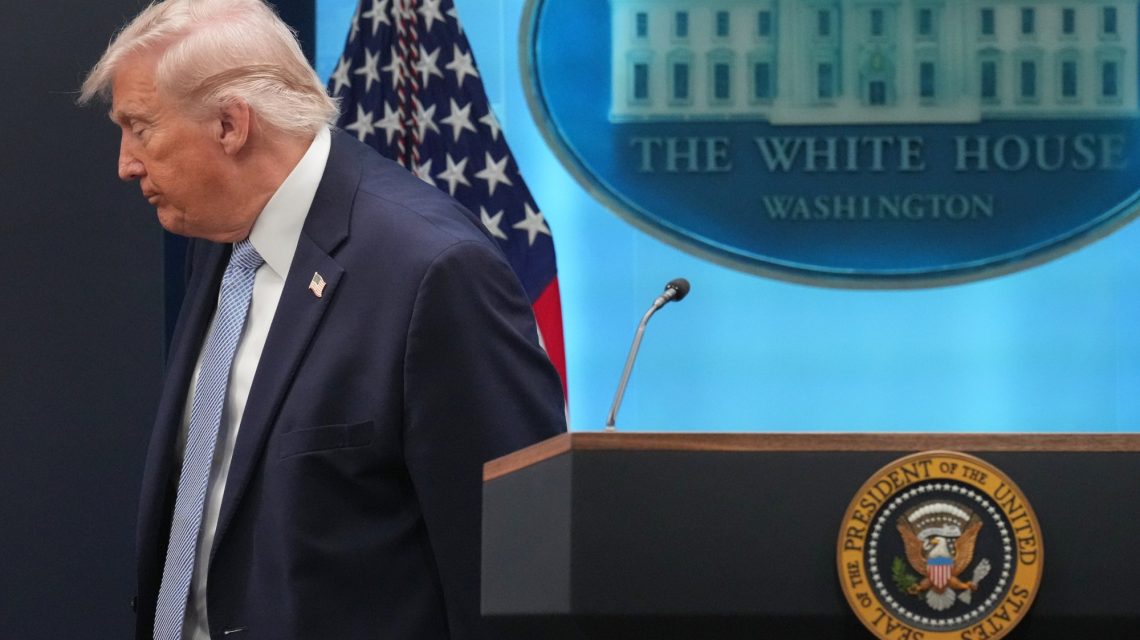
President Donald Trump’s agreement with Iran, seen as “historic” by some, has raised significant concerns regarding U.S. and Western interests. Critics argue that this deal may be judged more negatively than previous arrangements, such as President Obama’s Joint Comprehensive Plan of Action (JCPOA). Trump’s strong criticism of the JCPOA focused on its inability to effectively curb Iran’s nuclear ambitions and the substantial financial benefits it provided to Iran.
The recent ceasefire with Iran showed early violations, emphasizing the challenges in relying on Iran’s commitments. Despite Trump’s condemnation of the JCPOA, his deal appears to be more favorable to Iran and its allies. Although the four-month conflict temporarily hindered Iran’s nuclear weapons program and weakened its military capabilities, the financial commitments involved have been contentious.
Trump reportedly agreed to significant monetary compensation, labeled by Iran as “reparations,” to open the Strait of Hormuz and allow oil flow. This transaction excludes compensation for U.S. military losses and deaths caused by Iran directly or through proxies. Gulf States are expected to bear much of the financial burden, with no consideration for damages incurred by recent Iranian strikes.
In addition, there is no compensation for the financial gains Iran achieved through illegal oil sale operations. The broader implications of this conflict may include diminished U.S. credibility in dealing with other adversaries like China, Russia, and North Korea. Observations of Trump’s approach to military engagements demonstrate a willingness for action alongside strong allies or in situations ensuring swift conclusion.
The ongoing strategic vulnerability for the U.S. and Western allies lies in critical maritime straits, pivotal for international trade. Comparison with Taiwan Strait reveals reliance on Asian goods, especially high-quality chips, equivalent to oil trade via the Strait of Hormuz. Modern military technologies, while advanced, cannot completely repel threats in such constricted areas.
Adversaries might exploit these vulnerabilities using conventional weapons and sabotage tactics in places like the Panama and Suez Canals. Proactive deterrent and defensive measures are necessary to safeguard these critical chokepoints. These preparations should align with a robust commitment by the U.S. to protect crucial interests.
The administration is encouraged to employ diplomatic skills to engage allies in collective defense strategies. Cooperation should be prioritized before threats convert into actual conflict situations. Support from figures like NATO Secretary-General Mark Rutte could enhance collaborative defense initiatives.
Joseph Bosco, previously involved in defense and humanitarian roles, suggests progressing towards regime change in Iran, potentially reducing hostile influences. Bosco holds advisory positions and engages with institutes focused on Asia-Pacific relations.
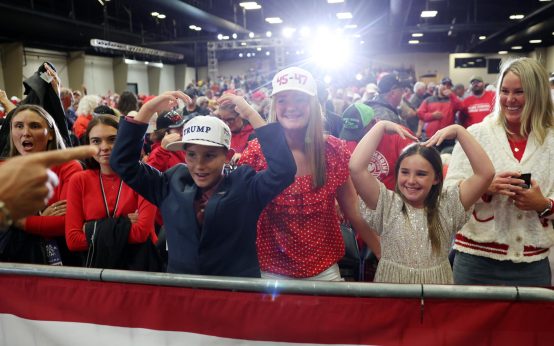 Trump Rallies Support in GOP Strongholds as Midterm Elections Approach
  Brazil’s Next Election: Familiar Faces and High Stakes
 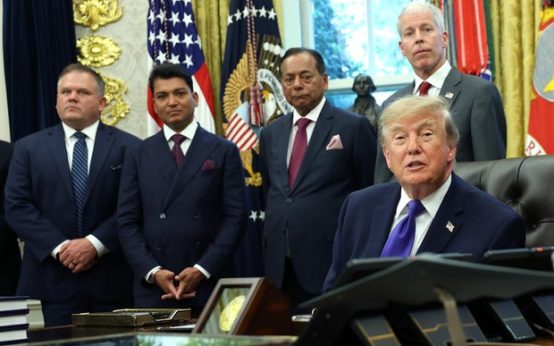 Iowa Steel Plant: Incentives and Political Maneuvering
  Strategies for Democrats Leading Up to Election Day
 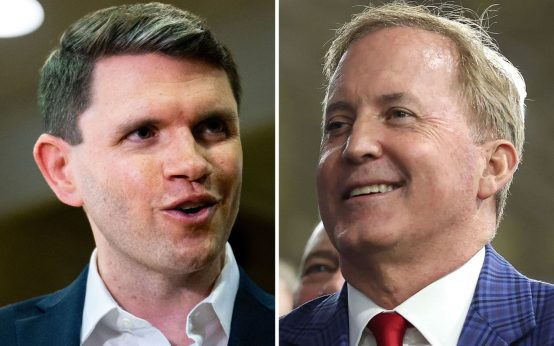 Texas Senate Race: The Impact of Trump on Ken Paxton’s Campaign
  Trump’s Approval Rating Struggles Ahead of Midterms