
Federal safety investigators released a preliminary report concerning the fatal plane crash in Missouri last month. The accident, which occurred during a skydiving trip, resulted in the deaths of all 12 people on board, including several experienced jumpers.
The National Transportation Safety Board (NTSB) reported no signs of engine failure. Initial inspections of the wreckage and flight records showed no serious safety or mechanical problems with the aircraft, a single-engine turboprop. The engine seemed to be functioning normal as it produced power during the crash.
“I was surprised that they had determined that the engine was producing power,” said Jeff Guzzetti, president of Guzzetti Aviation Risk Discovery.
Further checks revealed the fuel from a truck was clear of debris, and the airplane met weight and balance parameters. Weather and the pilot were also not deemed to be factors. The pilot had over 4,100 flight hours and was working his second jump season with Skydive Kansas City.
The aircraft lacked a crashworthy voice or data recorder, and investigators recovered damaged GoPro cameras from the site. The NTSB will continue examining the crash, with final reports often taking a year or more.
The crash took place on June 14, south of Kansas City, with the Pacific Aerospace 750XL ascending from Butler Memorial Airport. The plane veered left, wings turning perpendicular to the ground before crashing nose-down into a field and catching fire.
Investigators said the wings couldn’t produce enough aerodynamic lift, a key question the NTSB aims to answer. The fire extensively damaged important parts of the plane, including the cockpit, cabin, and fuel system.
Families of some victims witnessed the incident at the airport. Jen Sharp, a technology director at the United States Parachute Association, was among those killed. Skydive Kansas City described the crash as a “devastating loss.”
Poor maintenance is often a factor in skydiving plane crashes. The NTSB previously criticized the weak oversight of such operators. After a 2019 Hawaii crash that killed 11, the agency suggested improvements. The FAA hasn’t adopted these recommendations, but it formed a committee in April to enhance skydiving safety.
Skydive Kansas City follows safety standards from the world’s largest skydiving body and observes FAA maintenance requirements. Last year, the skydiving industry saw nearly 3.5 million jumps with 16 civilian fatalities, mostly from human error. The crashed plane, built in 2010, completed two successful flights earlier that morning.
 The Threat of Melting Glaciers: A Call to Action
 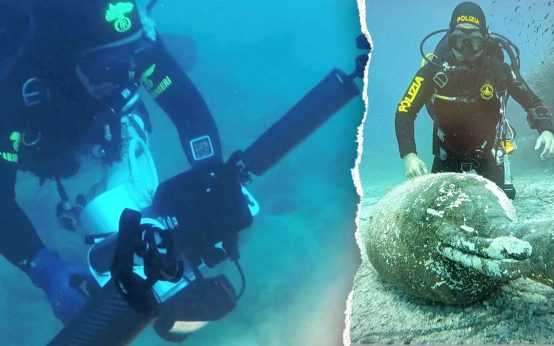 Police Discover Ancient Roman Artifacts Off Sardinian Coast
  Urgent Need for Action in East Africa’s Food Crisis
  Suspected Plague Death in Siberia Sparks Health Measures
  G7 Nations Agree to Release 100 Million Barrels of Oil Amid Fuel Price Surge
  Co-Pilot Attempts Hijack on Flight to Tel Aviv