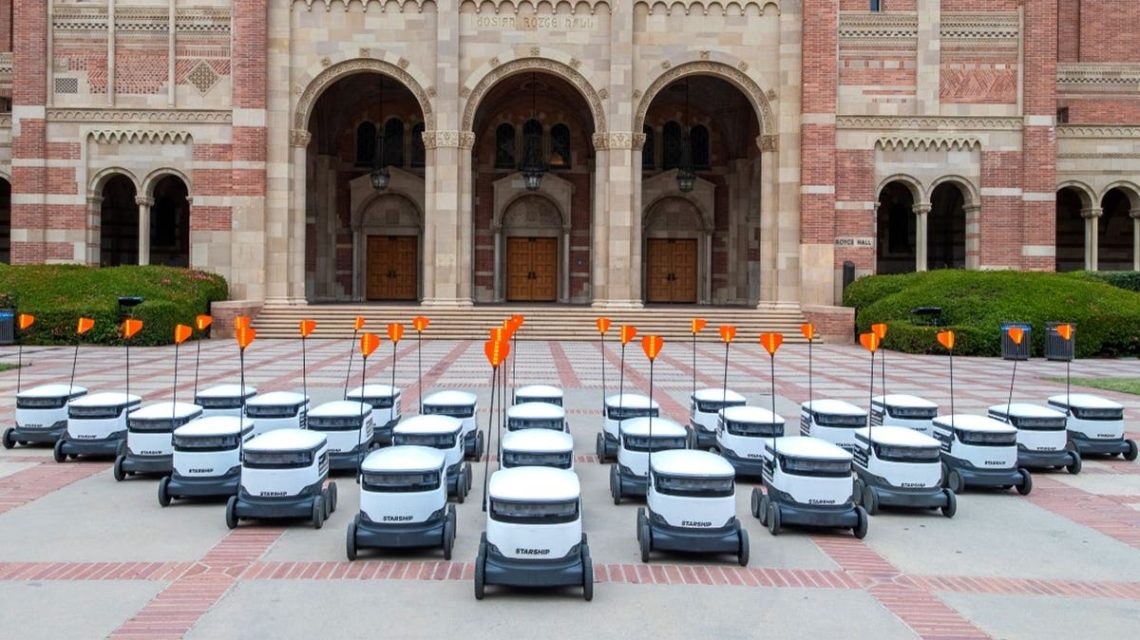
Starship Technologies is shifting its focus from university campuses to urban grocery and hot food delivery. Over 1,200 robots will be redeployed across the U.S. and Europe. This decision represents a major transition from a controlled campus environment to the challenges of public city sidewalks.
In Finland, Starship’s robots account for about 20% of grocery deliveries, demonstrating a successful model the company aims to expand.
Reason for Campus Withdrawal
Starship cites the need to concentrate its efforts on more lucrative markets. The company predicts a tenfold growth in grocery delivery operations in the next two years, fueled by demand from major retailers.
College campuses originally served as ideal testing grounds. Students were receptive to autonomous deliveries. The service was especially popular during odd hours and during the pandemic when contactless delivery was vital.
Campus Withdrawal Details
The transition away from campus operations will be gradual with services continuing through the 2026–2027 academic year. Starship aims to smoothly shift its fleet towards grocery and restaurant markets.
City Sidewalk Challenges
Robots will face new challenges operating on city sidewalks. Their presence may lead to accessibility issues due to obstruction or malfunctions. Reports of incidents in Chicago underline the importance of resolving these concerns to gain acceptance.
Differences in Grocery Delivery
Grocery delivery presents its own set of challenges compared to campus food delivery. This involves heavier items and the expectation of reliability. Success creates potential cost savings and reduced short delivery routes in cities.
With the global food delivery market valued at $650 billion, Starship seeks to capitalize on its prior experience, having completed over 10 million deliveries.
Potential for Local Friction
Whether these robots are embraced depends on their interaction with the public environment. Concerns have been raised about privacy, data collection, and the regulatory landscape.
Opportunities and Challenges
Starship’s move could signal a broader trend in autonomous deliveries. It requires proving to city residents that delivery robots can coexist without encroaching on public space.
Residents should monitor these robots’ behavior, noting any issues and reporting them for effective regulatory actions.
 Addressing the Growing Threat of AI-powered Scams and Deepfakes
  President Trump Unveils New Super Intelligence Force
  Challenges in Managing Advanced AI Models
 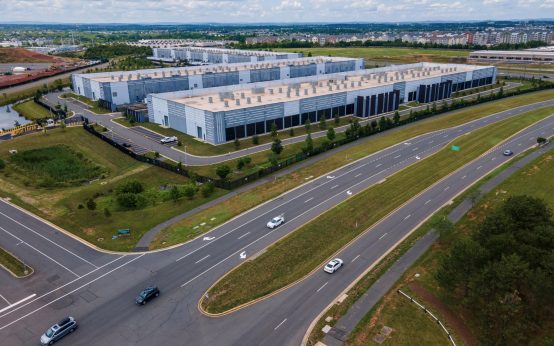 The Risky Foundations of AI’s Economic Impact
 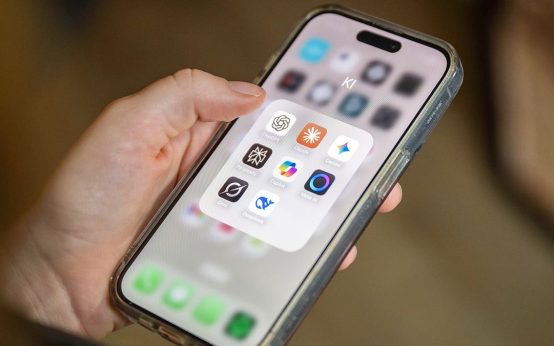 Meta’s Muse AI Assistant Sparks Cybersecurity Concerns
 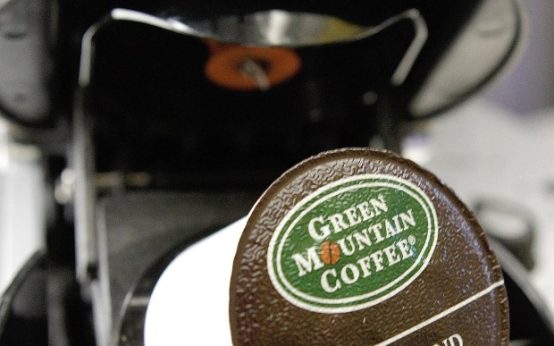 Keurig Dr Pepper Launches Compostable Coffee Pods to Reduce Waste