
The recent earthquakes in Venezuela have highlighted significant vulnerabilities within the nation’s socialist government and the challenges of relying on the existing regime. The natural disaster not only revealed weaknesses in infrastructure but has also prompted a critical examination of international relations, particularly with the United States.
The recovery efforts in the wake of the earthquakes underscore the limitations of the socialist policies in place. Many citizens lack access to basic necessities, and the infrastructure, already fragile, has struggled under the additional pressure of the natural disaster.
There is growing scrutiny regarding the United States’ role and response in this scenario. It raises pertinent questions about why there hasn’t been a more proactive effort to safeguard and promote American interests in Venezuela. This situation has called into question the effectiveness of previous partnerships with the socialist regime and the potential need for a change in strategy.
Workers were seen constructing wooden crosses for fresh gravesites of unidentified victims, representing the human toll and stark reality faced by many Venezuelans during this crisis. This image underscores the urgent humanitarian needs that remain unmet.
The earthquakes may serve as a catalyst for reassessing international political strategies and humanitarian interventions. Recognizing the limitations of the current engagement policies could lead to more effective solutions that address both immediate and long-term needs in Venezuela.
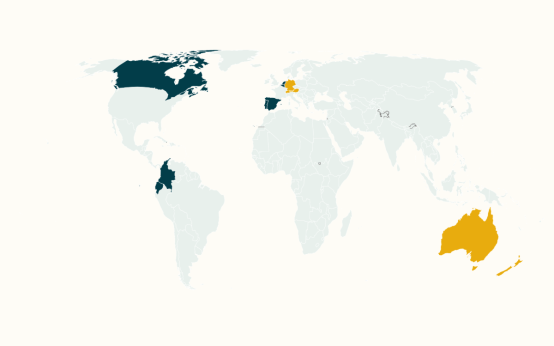 Dutch Review Board’s Euthanasia Ruling and International Debate
 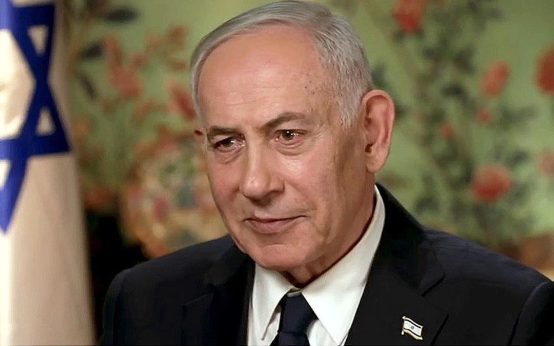 Israeli PM Commends Heroic Actions in Flight Emergency
 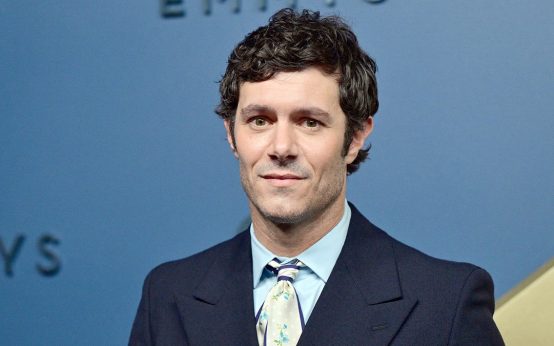 Rabbi and Jewish Leaders Criticize Adam Brody for ‘Genocide’ Comment
  Flydubai’s Emergency Landing Highlights Cockpit Security
 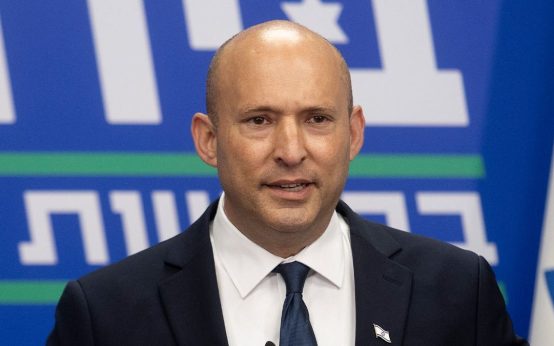 Former Israeli PM Naftali Bennett Commends Passengers and Crew for In-Flight Heroism
 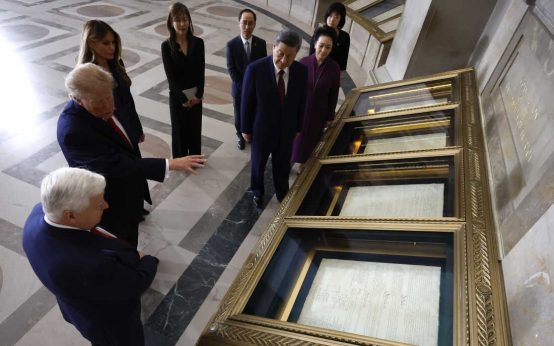 Diplomatic Complexities Unfold at U.S. National Archives Visit