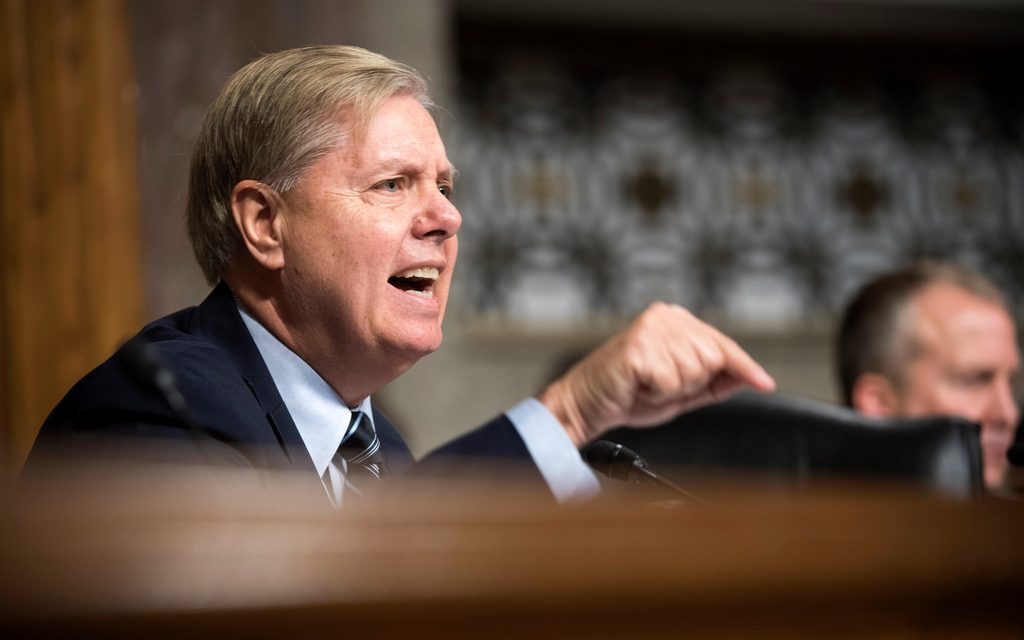
Sen. Lindsey Graham represented a crucial part of the United States Senate, not merely through a specific policy portfolio but by playing a unique political role. For years, Graham served as an influential advocate for interventionist foreign policies in Washington. He bridged the gap between traditional Republican policies and the populist ‘America First’ stance of the current administration.
While allies will remember him as a statesman, Graham’s legacy is rooted in his ability to present continuous conflict as both a moral obligation and a strategic necessity for alliance management. Graham positioned himself as a strategic architect, arguing consistently against Moscow and Tehran, treating them as interconnected threats.
Institutionally, his voice was significant. Graham frequently collaborated with Secretary of State Marco Rubio to persuade President Trump towards hawkish positions on Russia and Iran. He crafted a narrative framing these diverse threats as a unified struggle. By adopting a binary moral framework, Graham simplified complex geopolitical realities into a straightforward ‘good vs. evil’ saga, which painted diplomatic caution as equivalent to appeasement.
One example of his approach was evident when he encouraged Israeli leadership to take action regarding Iran’s nuclear ambitions. If war secures a preferred regional order, he argued, it is not a policy failure but a logical outcome. The ongoing 2026 U.S.-Iran conflict exemplifies this, especially after the collapse of the Islamabad Memorandum in July and the subsequent return to hostilities.
Graham’s absence in the Senate leaves a significant void. He possessed a unique ability to channel aggressive military postures into the language of responsibility and alliance solidarity. He managed to turn foreign allies’ security demands into American interests, affecting U.S. policy direction.
There is now an urgent search for his successor. Potential candidates like Nancy Mace and Ralph Norman are considering the position, but none possess Graham’s deep institutional knowledge nor his translator capacity. Younger politicians may adopt hawkish stances but lack Graham’s influence over both the foreign policy establishment and the president.
The Trump administration faces a challenge in communication. Graham tempered the administration’s blunt instincts with bipartisan rhetoric of American values and global security. Without him, the administration’s language lacks this diplomatic justification. As Trump discusses ‘Operation Epic Fury’ or tariffs, his words now starkly expose his true intentions, stripped of coherent doctrinal support.
The Trump-Netanyahu alliance might remain strong, driven by transactional ties rather than institutional bonds. However, its political sustainability is now vulnerable. Graham’s diplomacy masked their aggressive cooperation as American statesmanship, which is crucial for gaining public support.
For the administration, the question hinges on whether the machinery of intervention can still be perceived as prudent policy without Graham’s translating ability. The hawks have lost a vital messenger who provided their worldview a cover of statesmanship, critical to selling interventionist policies.
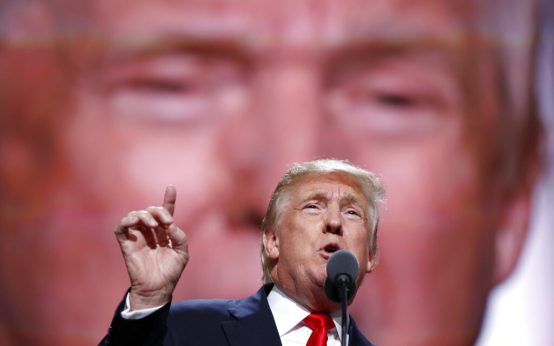 The Need for Reform in Presidential Nominations
  Controversy Surrounds Performances at Gillette Stadium
 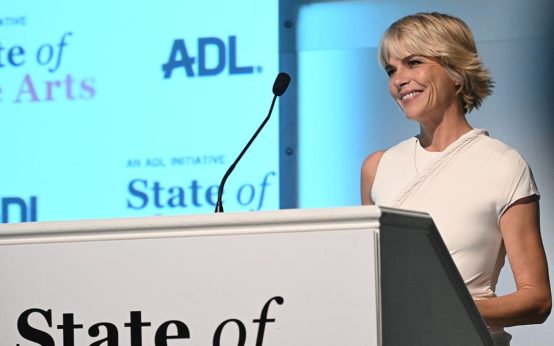 Celebrity Controversies Over Political Activism and Speech
 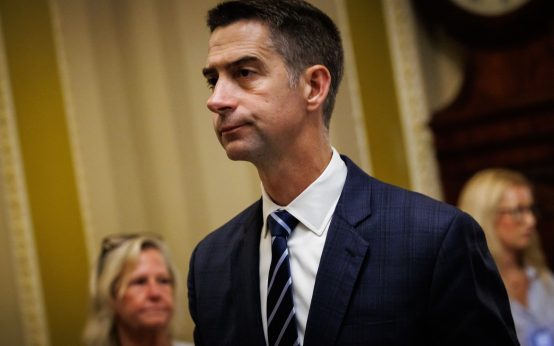 Trump Pushes for Permanent Daylight Saving Time, Sharing Senator’s Contact Information
 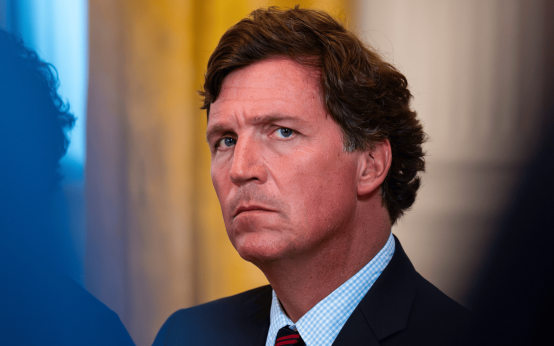 Tucker Carlson’s Comments on Britain’s WWII Decision Ignite Controversy
  Trump’s White House Ballroom Project Faces Challenges and Rising Costs