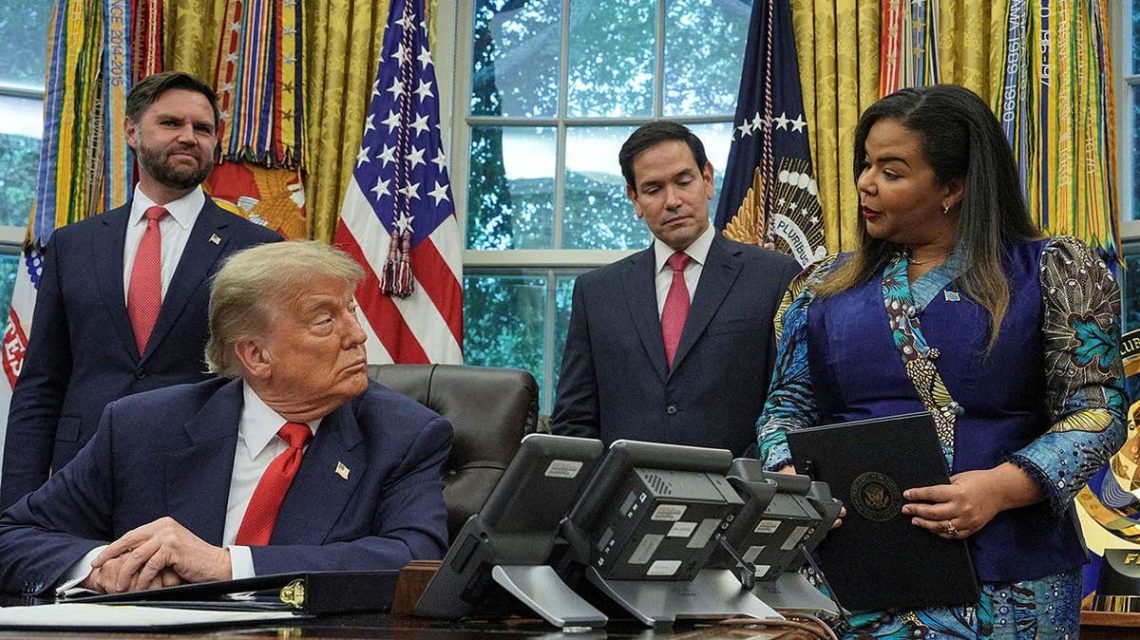
The Democratic Republic of Congo (DRC) views increased American involvement in its minerals industry positively without positioning as a rival to China. DRC’s Foreign Minister, Thérèse Kayikwamba Wagner, emphasized the importance of having multiple partners to efficiently transform the country’s abundant natural resources into wealth for its citizens.
Speaking at the United Nations, she stated, “I don’t like talking about competition. I like talking about complementarity.” She explained that large nations achieve development through diverse partnerships, which offer varied expertise and meet distinct needs.
The Trump administration seeks to bolster US access to Congo’s strategic resources such as copper, cobalt, lithium, and gold. This is part of a broader goal to reduce reliance on China’s mineral supply chains. A strategic partnership was formalized between Washington and Kinshasa aiming for increased cooperation, investment, and the development of critical-mineral supply chains that are secure and transparent.
The partnership intends to integrate economic strategies to help resolve long-standing conflicts between Congo and Rwanda. A further arrangement reported by Reuters could prioritize US access to copper and cobalt through DR Congo’s state mining company Gécamines in collaboration with commodities trader Mercuria.
Kayikwamba Wagner noted that relations between the US and DRC are becoming “more concrete,” focusing on mutual economic interests. She welcomed US initiatives that could translate Congo’s mineral wealth into tangible benefits for its population, while also offering advantages to American firms.
At a critical minerals meeting, Wagner warned against replicating an economic model where raw materials are exported from Africa while processing and profits remain overseas. She advocated for partnerships that emphasize local processing, infrastructure development, technology transfers, and access to financing.
The minerals initiative is intertwined with US-mediated peace efforts between DRC and Rwanda. The initial peace agreement was signed in Washington, followed by a reaffirmation on Dec. 4. Despite ongoing violence, Wagner highlighted Washington’s commitment to enforcing consequences for breaches, noting the enduring nature of the 30-year conflict.
Wagner commended sanctions against the Rwanda Defense Force for supporting the M23 rebel group, accused of seizing territory and mining sites in eastern Congo. She stressed Rwanda’s denial of such support.
In New York, Wagner brought attention to the connection between natural resources and conflict-related sexual violence, reporting a rise in such incidences in areas controlled by M23 and Rwandan forces. Victims face challenges accessing justice and medical services.
During her U.N. address, Wagner highlighted smuggling issues within areas under M23 control. Notably, the Rubaya mining area, supplying significant global tantalum, witnessed substantial smuggling activities into Rwanda, benefiting armed groups financially.
The Treasury Department recently imposed sanctions against networks collaborating with M23 to smuggle minerals, supporting regional peace frameworks and enhancing transparency in mineral supply chains.
Efrat (Effie) Lachter, an accomplished investigative journalist with accolades like the 2022 Peres Center for Peace Award, contributed significantly to reporting these developments.
 Israeli Prime Minister Calls for Comprehensive Security Review of Civil Flights
 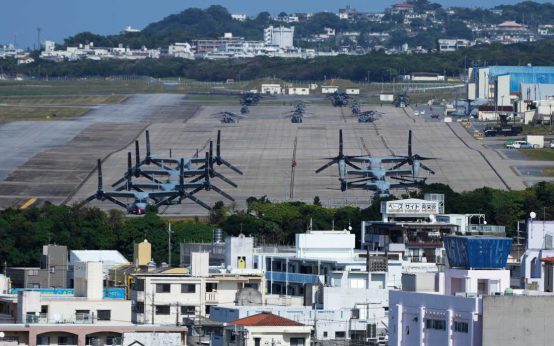 U.S. Marine Arrested in Okinawa for Alleged Murder and Robbery
 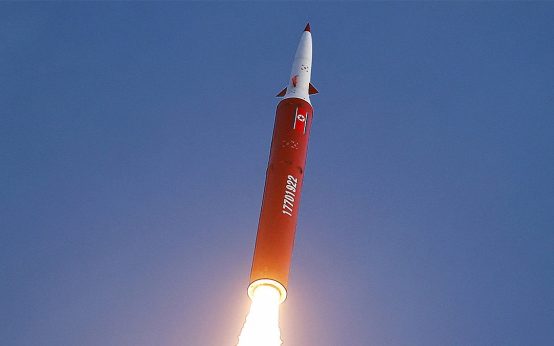 North Korea’s Missile Test and Its Implications
 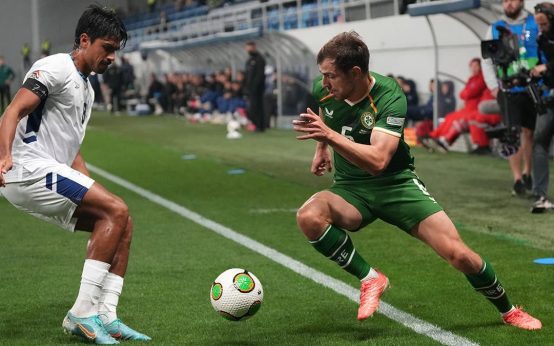 Israel and Ireland Soccer Teams Display Tension in Nations League Match
  Fox News Report on FlyDubai In-Flight Incident
  Brazilians Vote in Crucial Presidential Election