
Supreme Court Justice Amy Coney Barrett has become a focal point of intense criticism, particularly for her role in significant Supreme Court rulings. Her decisions, which include voting to overturn Roe v. Wade, ending affirmative action in college admissions, expanding gun rights, and allowing states to ban puberty blockers for minors, have sparked considerable backlash.
Surprisingly, the harshest criticism has emerged from commentators who ideologically align with many of her decisions. Despite agreeing with the outcomes of her votes, these commentators have expressed dissatisfaction. This reaction raises questions about the motivations behind the critique directed at Justice Barrett.
Her opinions, characterized by fairness and calm rationality, contrast with the vitriolic nature of some of the attacks. Such criticism appears to be more about political posturing than substantive legal disagreement. The situation highlights the complex dynamics at play even among those who nominally share similar viewpoints.
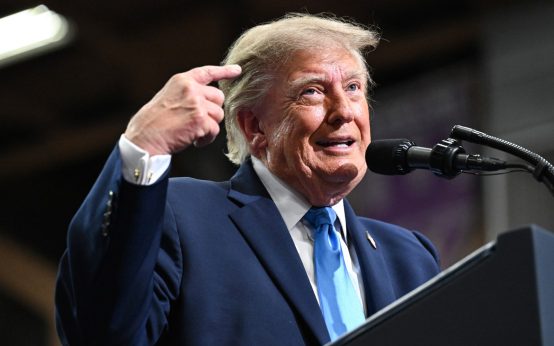 Trump Calls for Probe into Alleged ‘Paid Protesters’
  Donald Trump Criticizes Fox News for Rally Coverage
  Rahm Emanuel Advises Against Impeaching Trump and Calls for Ethics Reforms
  Rahm Emanuel Discusses Potential Presidential Run and Jewish Identity
  JD Vance’s Influence Grows as 2028 Speculations Arise
  Laura Ingraham Criticizes Democratic Policies on ICE and Immigration