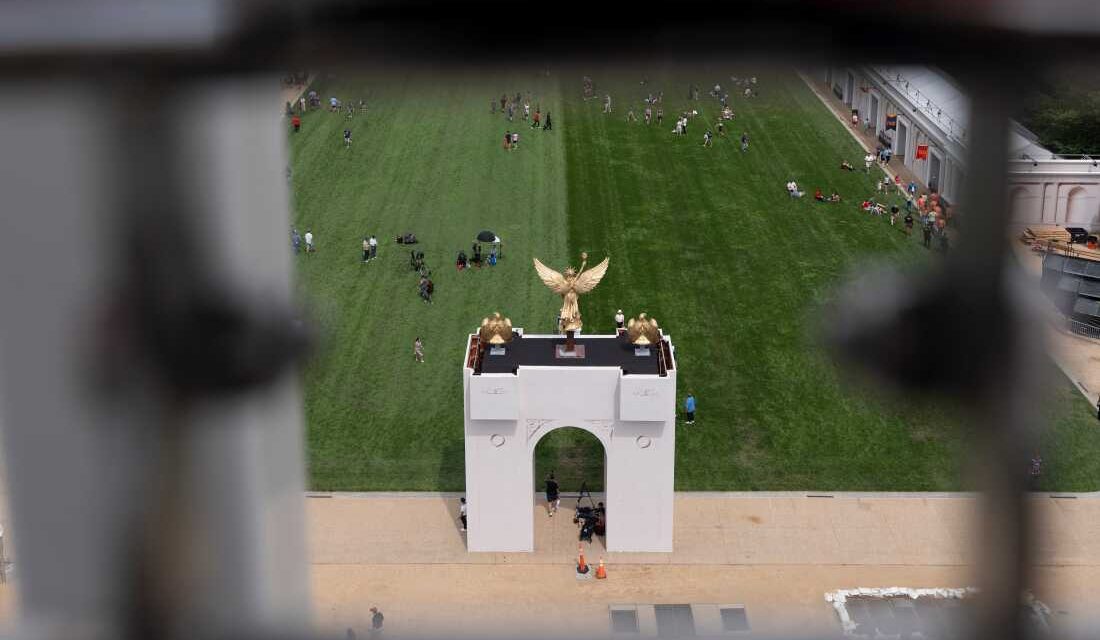
The Trump administration is pursuing changes to ease restrictions on construction projects impacting historic sites. A proposed 250-foot triumphal arch, pictured at the D.C. state fair, highlights this issue. Before approval, it must pass a historic preservation review. To bypass these hurdles, there is an aim to weaken federal oversight on all projects affecting historic sites.
Critics argue this move jeopardizes the preservation of valuable sites across the U.S. Greg Werkheiser, from Cultural Heritage Partners, states that this approach threatens places with cultural significance. “These sites define America, affecting family ties and regional identity,” he said. Over 100,000 properties on the National Register of Historic Places, ranging from buildings to landscapes, are at risk.
The National Historic Preservation Act of 1966, particularly Section 106, requires consideration of historic sites before commencing federal projects. Right now, affected agencies need input from preservation groups and local or tribal governments. The Trump administration wants to lower these consultative requirements.
The Advisory Council on Historic Preservation, overseeing the Section 106 process, mainly consists of Trump appointees. Sara Bronin, the most recent Senate-confirmed chair, notes that the council seeks to redefine what qualifies as historic and relaxes the need for public and tribal consultations.
The council has one week to vote on these changes, after a brief review process. Werkheiser anticipates legal challenges, should these revisions proceed. “Litigation will follow against efforts to dilute protections for America’s historic sites,” he said.
The National Trust for Historic Preservation warns that landscapes like the Grand Canyon might lose historic status.
Post-World War II urban renewal prompted the 1966 act after causing widespread destruction of historic sites. Current rules, stated in a council memo, supposedly create confusion and agency delays, with some cases requiring up to seven years for consultations.
The proposed revisions also limit what is considered an “adverse effect” and allow agencies to summarize findings quickly, without thorough public engagement. The Cultural Landscape Foundation’s Charles Birnbaum says this top-down approach recalls past mistakes in urban planning, reducing public input on important sites.
Trump’s renovation projects in D.C., such as the White House ballroom, are moving swiftly, despite facing lawsuits from preservation groups. The changes may fast-track these developments by simplifying the review process, but they could also disrupt historic views, like those around Arlington National Cemetery.
Bronin urges attention not only to D.C. landmarks but to the wider implications of these changes. Several preservation organizations have formally opposed the revisions, citing potential chaos and confusion. Elizabeth Merrit from the National Trust underscores the importance of the established process, which often leads to beneficial compromises.
Werkheiser emphasizes that the current system secures valuable information, reducing delays in development. Hastening processes could sacrifice historical legacies. Both Werkheiser and Bronin encourage public opposition during comment periods and legislative involvement.
Historic preservation remains a bipartisan issue, underpinning strong community identity. Congressional action may strengthen Section 106 protections, with Democrats urging a return to negotiations that retain the rights of those most impacted.
 New Jersey Voter Fraud Prompts Renewed Push for SAVE Act
  Concerns Over Changes to Voter-Registration Form for Americans Abroad
  Trump’s 2024 Campaign Targets Young Men Through Cryptocurrency
  Trump’s White House Visitor Center Proposal Gains Bipartisan Support
  State Department Simplifies Passport Process with Online Applications
 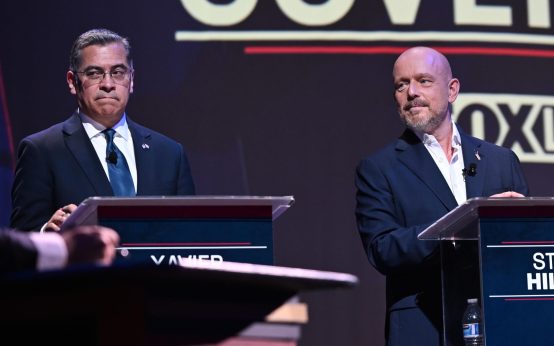 Becerra and Hilton Clash in California Gubernatorial Debate