
Considering solutions to the strategic challenges posed by President Donald Trump’s conflict with Iran recalls an old joke. A lost traveler in a Scottish pub asks for directions to Aberdeen. The bartender responds, saying, “Well, sir, I wouldn’t start from here.”
To understand the current situation, it’s essential to recognize the impacts of the war with Iran. Trump’s actions have led to a complex and precarious position for the United States. The Strait of Hormuz, crucial for global oil shipments, remains a focal point in these tensions. The strategic waterway is vital, influencing both regional stability and global economic health.
Iran’s nuclear ambitions add another layer of complexity. The international community is concerned about the potential development of nuclear weapons. This concern amplifies pressure on diplomatic and strategic efforts to find a resolution.
Proposing a financial incentive for Iran could open the Hormuz Strait and halt its nuclear program. Such a solution requires careful consideration of economic and diplomatic dynamics. Effectively addressing these issues involves assessing both short-term responses and long-term strategic planning.
The situation highlights the need for balanced foreign policy measures. Navigating these challenges calls for a nuanced approach, understanding the regional power dynamics and international implications.
 The Threat of Melting Glaciers: A Call to Action
 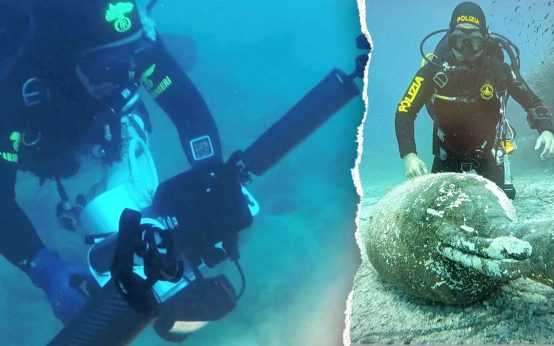 Police Discover Ancient Roman Artifacts Off Sardinian Coast
  Urgent Need for Action in East Africa’s Food Crisis
  Suspected Plague Death in Siberia Sparks Health Measures
 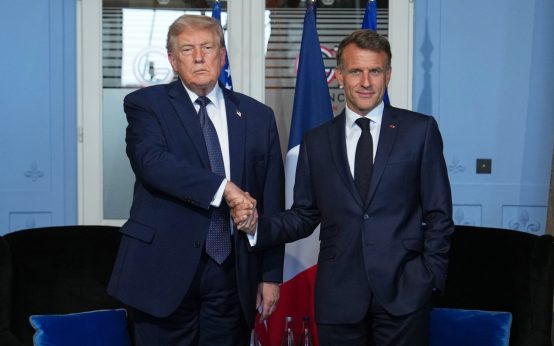 G7 Nations Agree to Release 100 Million Barrels of Oil Amid Fuel Price Surge
  Co-Pilot Attempts Hijack on Flight to Tel Aviv