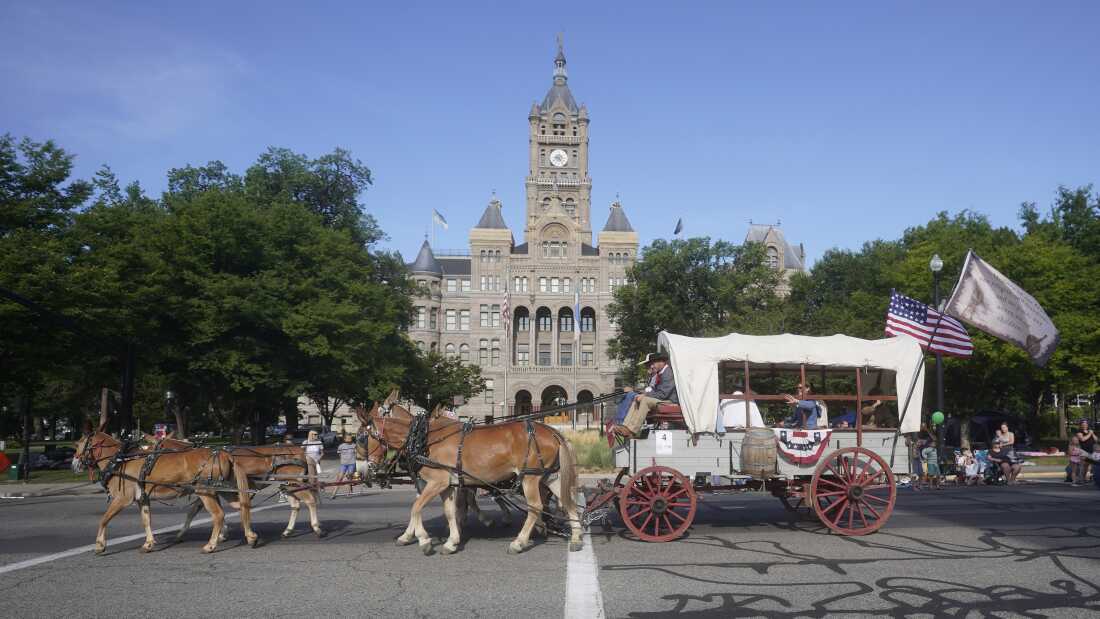
Pioneer Day, celebrated every July 24 in Utah, features festivities such as parades, rodeos, and fireworks. The holiday commemorates the arrival of pioneers in the Salt Lake Valley in 1847, marking the beginnings of the state and establishing a homeland for members of The Church of Jesus Christ of Latter-day Saints, often referred to as Mormons.
This year in Provo, the celebration included line dancing to “Footloose” and performances by musicians like Ryan Shupe and Susie Brown. Participants engaged in lively activities, contributing to the festive spirit.
“Their blood’s in this ground, and their spirit’s still around here,” said tribal council member Perry Murdock.
However, beneath the surface of celebration lies a seldom-discussed aspect of history. The settlement of Utah by pioneers involved the displacement of Native peoples, including the Timpanogos Nation. An event known as the Provo River massacre in 1850 saw aggression against Native people. Historians recount how conflict escalated after settlers accused a Native man of theft, leading to his murder.
Brigham Young, serving as a prophet and governor at the time, ordered military action against the Timpanogos, resulting in a deadly confrontation. The massacre claimed the lives of at least 40 Native individuals, according to historian D. Robert Carter.
Mary Murdock Meyer, chief executive of the Timpanogos Nation, highlights ongoing emotional scars. Approximately 1,000 Timpanogos people seek an apology and the rescindment of historical extermination orders.
“Maybe children not growing up in fear anymore,” Meyer expressed.
Perry Murdock sees historical parallels with other persecuted groups. Despite requests, responses from Utah’s governor or the LDS Church remain pending. Angela Romero, Utah House Minority Leader, intends to initiate dialogue about reconciliation.
In Provo, Mayor Marsha Judkins acknowledged the tragic history, making a poignant gesture during the celebration. Acknowledging past injustices, she introduced Chief Meyer to address the crowd.
“…to learn from one another and to recognize the many stories and histories…” Judkins said.
The commemoration resonated with attendees like Sam Andersen, a recent BYU graduate. The revelation of historical extermination orders came as a shock but invited reflection. Andersen hopes for a comprehensive historical perspective to guide future celebrations.
 Possible 19th-Century Shipwreck Exposed by Nor’easter in Nantucket
 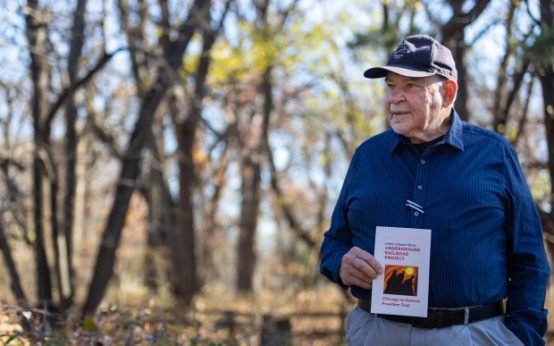 Midwest Underground Railroad Network Gains National Recognition
  Art Collective Critiques Administration with Mall Installation
 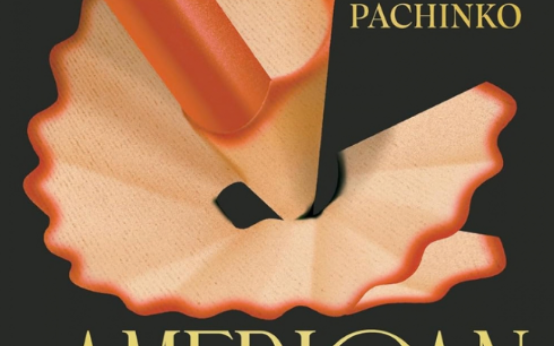 American Hagwon: A Tale of Family and the Korean Diaspora
 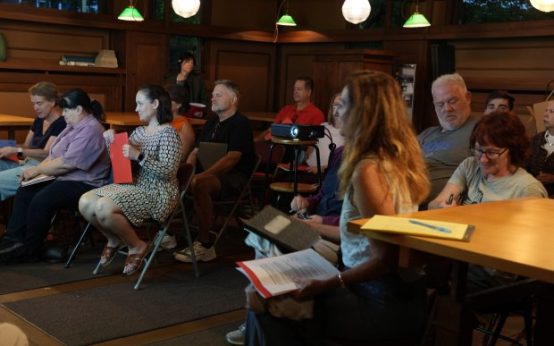 Volunteer Enthusiasm Shines at Frank Lloyd Wright Home and Studio
 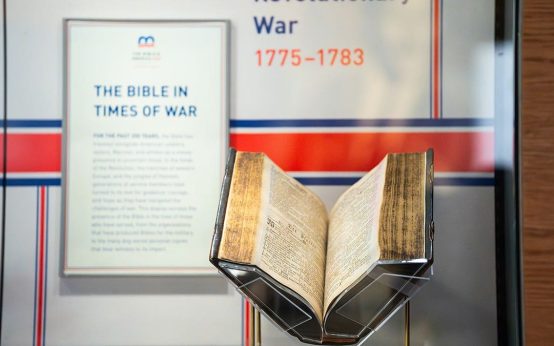 Bible’s Role in Times of War