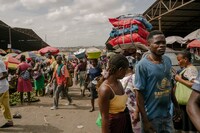
In the bustling Catinton Market in Luanda, Angola, vendors sell fruits and vegetables under umbrellas that barely shield them from the intense sun. Despite being far from the conflicts of the U.S.-Israeli war on Iran, the ripples of the conflict have reached these vendors.
Angola, a country of 40 million, remains one of the most unequal in the world. Half the population survives on less than $3.65 a day, while oil revenues largely benefit a small elite class. The ongoing conflict has only deepened this divide.
While Angola’s oil production doesn’t rely on the Strait of Hormuz, global tension has increased reliance on Angolan oil. This has enriched the wealthy while making essential goods pricier for the poor.
It is not enough, but what can we do? We have no other options.
Veronica Simon, 35, and Isabelle Ferreira, 31, who sell red peppers at Catinton Market, exemplify the struggle. The wholesale price of peppers quadrupled since February, cutting their daily income to less than $2.50. They remain unaware of the war in Iran but deeply feel its economic impact.
Economist Arsénio Bumba explains that the conflict has disrupted global markets, raising import costs. He notes that poor households are most affected worldwide. Meanwhile, Angola’s government benefits from rising oil prices and exports.
According to the World Bank, oil contributes 30% of Angola’s GDP, 65% of government revenue, and over 95% of exports. The government has used this windfall to reduce debt and create reserves of food and medicine, trying to curb inflation.
Yet, many Angolans, like peanut vendor Jucy Manuel, notice higher prices for essentials like cooking oil and rice, impacting how she feeds her three children. Despite increased oil revenue, societal dissatisfaction lingers. Residents in informal neighborhoods, like those near Luanda’s trash-filled waterways, feel neglected.
In such communities, basic amenities like electricity and running water remain scarce. Eva Damiao, 82, lives in a tin shack in a neighborhood surrounded by refuse. Her family depends on each other to survive.
Joveth Hebo, 33, is another resident affected by economic pressures. He speaks fluent English learned from music and books, yet dropped out of law studies due to financial constraints. He believes government profits will not benefit ordinary people. Instead, price hikes continue to burden them.
Even with resourceful efforts, like searching dump sites for recyclables, Hebo doubts that any additional revenue will trickle down to those in need. This sentiment reflects a broader frustration among Angolans about the persistent wealth gap.
 The Threat of Melting Glaciers: A Call to Action
  Police Discover Ancient Roman Artifacts Off Sardinian Coast
 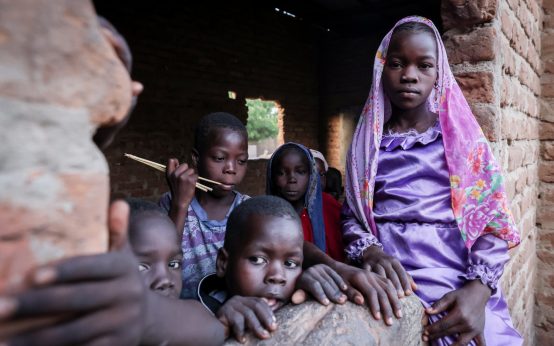 Urgent Need for Action in East Africa’s Food Crisis
  Suspected Plague Death in Siberia Sparks Health Measures
 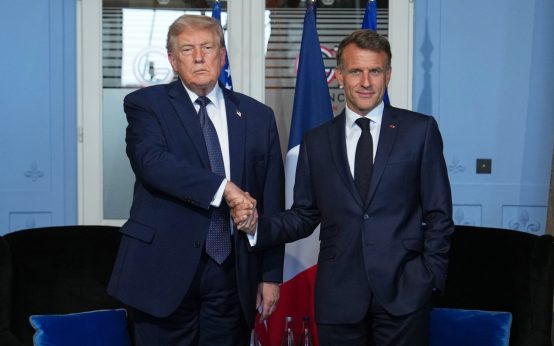 G7 Nations Agree to Release 100 Million Barrels of Oil Amid Fuel Price Surge
  Co-Pilot Attempts Hijack on Flight to Tel Aviv