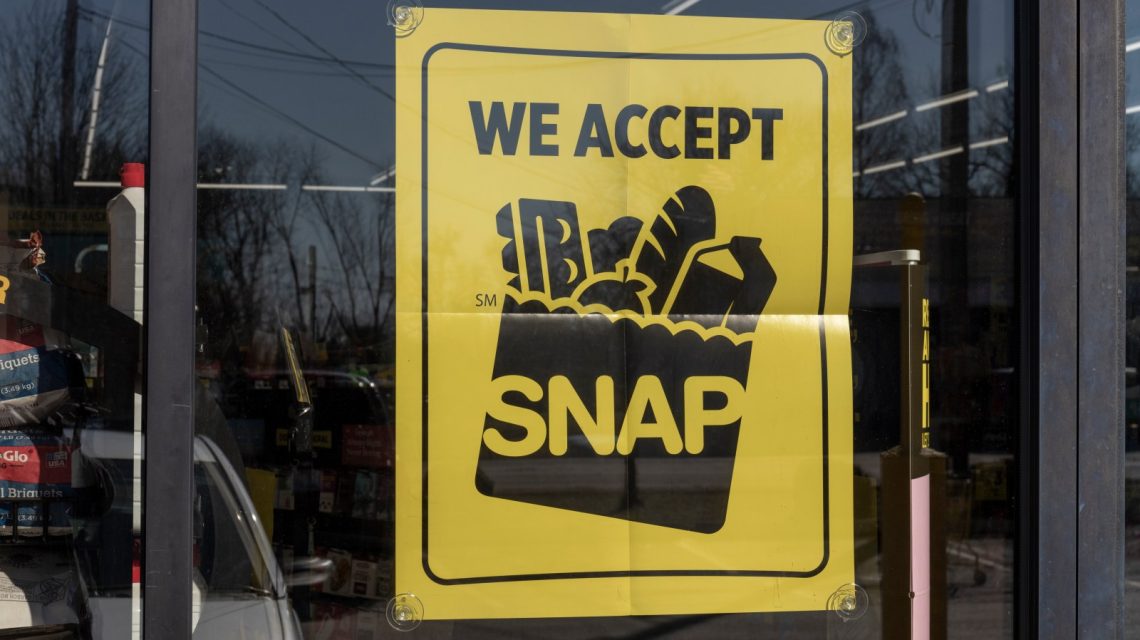
Starting August 1, Illinois residents who lost federal food assistance due to expanded work requirements will receive a one-time state-funded payment of $400. The aim is to cushion the impact felt by many following changes to the Supplemental Nutrition Assistance Program (SNAP). Known as the Families Receiving Emergency Support for Hunger (FRESH) program, the initiative plans to distribute up to $70 million without requiring applications from those affected.
Governor JB Pritzker, a Democrat, emphasized that this temporary measure came after federal changes led to thousands of Illinois residents losing grocery assistance. Nationwide, millions have similarly seen their benefits cut following the One Big Beautiful Bill Act’s July 2025 enactment, which altered requirements for federal aid.
“At a time when the cost of groceries, gas and utilities are all rising, Donald Trump and Republicans decided to strip food assistance from nearly 100,000 people,” Pritzker stated in a news release.
Overview of Illinois Payments
SNAP, commonly referred to as food stamps, provides monthly grocery support to low- and no-income households. It stands as the largest food aid program in the U.S.
Under FRESH, the Illinois Department of Human Services will automatically identify eligible residents. Notices will be sent to qualifying households, and $400 per eligible household member will be deposited onto their Illinois Link card. Those without a Link card can request a replacement ahead of payment distribution.
Initial deposits will assist households whose members lost SNAP between May 1 and August 1, with payments set to begin on August 1. Those losing benefits after August 1 will receive payments on the 16th day of the month when their SNAP ends. Payments will continue until the $70 million allocation is exhausted.
“Trump’s SNAP cuts are having real, dire consequences for families across Illinois,” Lieutenant Governor Juliana Stratton highlighted in a press release. “The FRESH program is another way Illinois steps up to assist families facing rising costs, while supporting a food system that serves us all.”
Receiving a FRESH payment won’t impact household eligibility for Medicaid, Temporary Assistance for Needy Families, AABD Cash, or similar programs.
Nationwide Decline in SNAP Enrollment
The Illinois initiative emerges amid a sharp decrease in SNAP participation nationally. U.S. Department of Agriculture data indicates a drop from about 42 million beneficiaries in early 2025 to over 37 million by April 2026. This reflects a reduction of roughly 5 million recipients.
The decrease follows considerable program revisions under the One Big Beautiful Bill Act (H.R. 1), signed into law by President Donald Trump on July 4, 2025. States implemented changes on varying timelines.
A major provision expanded work requirements for adults up to age 64. Adults classified as Able-Bodied Adults Without Dependents must complete qualifying work or training to maintain eligibility beyond the permitted timeframe. Exemptions for certain veterans, homeless individuals, and former foster youth were removed, while caregiver protections were narrowed.
The USDA spokesperson informed Newsweek that enrollment figures change for various reasons, which may not solely relate to policy changes.
“SNAP is a means-tested, appropriated entitlement. If a household is eligible, they receive the benefit. However, those same households are subject to recertification. Number fluctuations could result from employment, disinterest, or other changes in household circumstances,” the spokesperson said.
State Responses Across the U.S.
Illinois stands apart by utilizing state funds to compensate residents who’ve lost SNAP due to federal work rules. Other states primarily help residents understand requirements or facilitate qualifying work or training.
- California: Allocated $39.9 million for technology upgrades and outreach related to SNAP regulations. New tools assist recipients in understanding work requirements and qualifications for exemptions.
- Maryland: Expanded the SNAP Employment and Training network from 30 to 48 organizations, offering job training, employment support, and case management.
- New York: Issued guidance for maintaining benefits after rule changes, while fostering local partnerships for employment, childcare, and career support.
- Washington: Proposed a ‘No Wrong Door’ system to connect SNAP and Medicaid recipients with employment and benefits services. However, funding for this initiative wasn’t secured during the 2026 legislative session.
- Arizona: Responded to enrollment losses and processing delays by hiring eligibility workers and utilizing an outside call center to improve wait times. Measures aim to restore or retain benefits, yet do not offer replacement payments.
These initiatives might reduce administrative mistakes or facilitate compliance with rules, but none provide automatic payment similar to Illinois.
Contact Newsweek editors on this story: Ben Kelly and James Debens.
 Patrick McEnroe Advocates for Collegiate Athletic Reform
  Push for Reparations Faces Challenges and Calls for Strict Eligibility
  Texas Man Arrested for Threatening State Capitol Attack
  The Key Debate Between Xavier Becerra and Steve Hilton: What You Need to Know
  Physicians Urge Senate to Reject FDA Nominee
  Trump’s Executive Order to Combat Mosquitoes and Ticks in D.C.