Concerns Over Indiana’s Wetland Program
Annette Hansen felt troubled upon learning about the federal government’s issues with Indiana’s wetlands program. Hansen, who leads the Porter County chapter of the Izaak Walton League of America, expressed her concerns, particularly given her hands-on involvement in wetland preservation efforts.
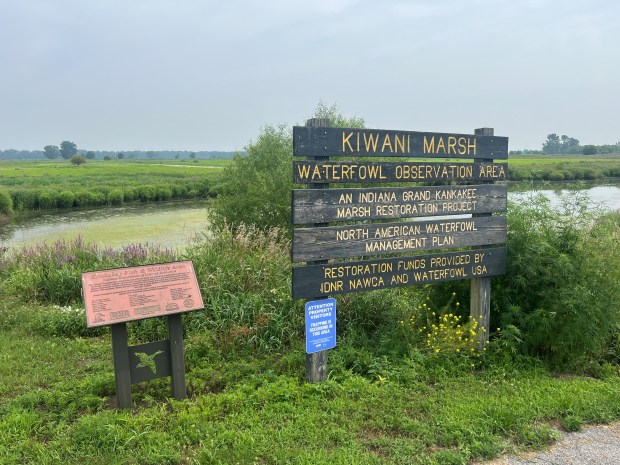
Hansen said, “We helped restore 150 acres, but that’s such a tiny piece compared to when I look around and see what’s happening.” The Kiwani Marsh, a substantial wetland area managed by the Indiana Department of Natural Resources (IDNR), serves as an observation space for waterfowl and was part of an extensive restoration effort in 2010.
Compliance Issues Identified
The U.S. Army Corps of Engineers, overseeing the wetlands program, flagged the Indiana Department of Natural Resources’ practices for not meeting compliance standards. Specifically, the program has failed to adhere to a mandated three-growing-season timeframe across service areas, as reported by the Indiana Capital Chronicle.
Financial receipts from the program reveal more than $109 million collected from landowners for wetlands payments. However, since the program’s inception in 2018, several projects have experienced delays.
Program Scope and Future Projects
The IDNR manages the wetlands program, formally called the Indiana Stream and Wetland Mitigation Program. This initiative enables developers to purchase mitigation credits that satisfy compensatory requirements under several environmental laws.
A spokesperson for IDNR confirmed ongoing efforts to complete approved projects, including three in Northwest Indiana’s Calumet Dunes Service Area. Two projects are scheduled for construction in 2027 and another in 2028, pending approval from the Army Corps.
Local Efforts and Environmental Impact
The Izaak Walton League has completed significant restoration projects, notably the Frame Family Little Calumet Conservation Area, improving areas by removing invasive species and enhancing water drainage.
Hansen highlighted the importance of such efforts, especially in mitigating flooding risks exacerbated by climate change. The league collaborates with the DNR to ensuring sustainable land use without commercial exploitation.
She emphasized that wetland preservation plays a critical role in maintaining community infrastructure by managing stormwater effectively.
Challenges from Data Center Developments
The Army Corps, tasked with upholding compliance, announced non-compliance findings during a 2025 review. This included required improvements in initial physical and biological aspects, credit delivery, and associated costs. Consequently, a Corrective Action Plan has been mandated.
Data center growth poses additional threats. Projects involving fill material discharge into U.S. waters demand DA permits. The Corps suggests mitigation credits, bank credits, or permittee-responsible mitigation as options for fulfilling obligations.
Susie McGovern, a specialist with the Hoosier Environmental Council, expressed concerns about data centers’ accelerated growth and its impact on wetlands. She cited executive orders from the Trump administration supporting data center development.
McGovern stressed wetlands’ vital role in providing ecosystem services like flood mitigation, water purification, and wildlife habitat support, crucially impacting many species.
She advocates for collective action from Indiana residents and activists, urging state officials to prioritize wetlands preservation when making economic decisions.
McGovern concluded by advocating for economic opportunities inherent in wetland conservation efforts.
 Trump’s Use of Public Funds for Political Ads Sparks Controversy
  Dennis Hastert’s Legacy: From Political Leader to Controversy
  Tensions Within the Trump Administration Highlighted by Policy Reversals
  Democrats Hold Advantage Before Midterms, But Voter Sentiment Is Complex
  Democrats Strategize As Midterm Elections Approach
  Mary Peltola Emerges as Leading Candidate in Alaska Senate Race