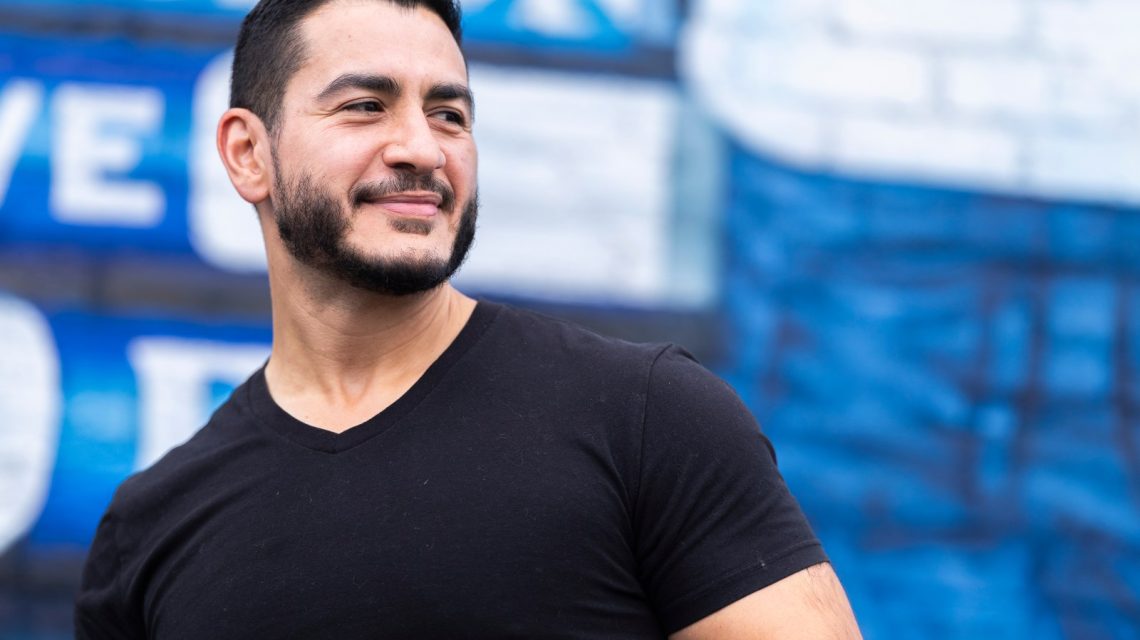
The high-profile Democratic Primary in Michigan concluded with Dr. Abdul El-Sayed securing the Democratic nomination for the Senate race. His narrow victory over Representative Haley Stevens signifies a win for the progressive wing of the party.
El-Sayed, a former state public health official, engaged in a heated debate with Stevens since April. Their discussions centered on corporate influence and the role of government. Michigan, known as a politically diverse state, has recently leaned towards the Democratic side, as seen with Democrat Elissa Slotkin’s victory. However, El-Sayed challenged conventional wisdom by proving that progressive principles could prevail.
Speaking to Newsweek, El-Sayed emphasized his commitment to issues like healthcare access and economic fairness. His platform not only aims to address progressive policies but also challenges establishment norms. He pointed out the unexpected victories of figures like Donald Trump as evidence of his strategy’s viability.
El-Sayed’s campaign targets modern swing voters, who he describes as anti-establishment independents. He believes these voters, drawn to populist ideals, will help him defeat Republican nominee Mike Rogers. Rogers, representing a Republican image tethered to established norms, aims to revive the centrist appeal of his party, aligning himself with figures like Trump to energize his base.
In his statement to Newsweek, Rogers criticized Democratic control in Michigan and linked it to economic decline. He alleged that El-Sayed’s policies would exacerbate existing problems. Despite these claims, El-Sayed intends to focus on pressing issues affecting Michiganders, including cost of living and healthcare.
Rogers contends that energizing MAGA supporters is key, though he acknowledges that winning over Trump voters who favored Slotkin is essential. His campaign highlights El-Sayed’s progressive stances, portraying him as out of step with Michigan.
El-Sayed’s strategy involves positioning himself as an outsider, railing against corporate interests and foreign policy stances initiated by figures like Rogers. This approach resonated with primary voters but Rogers doubts its broader appeal.
Notably, El-Sayed criticizes Rogers’ ties to the American Israel Public Affairs Committee and corporate donations. He argues that these relationships prioritize profits over Michigan’s welfare.
As both candidates prepare for the general election, El-Sayed faces challenges from both within and outside his party. Mainstream Democratic leaders supported Stevens, raising questions about their support for El-Sayed going forward. However, he remains unfazed. Citing disapproval ratings of prominent political figures, he aims to rally support from voters yearning for change.
Ultimately, El-Sayed’s candidacy represents a test of political outsider appeal in Michigan. Should he succeed, it may validate a new approach to elections, where challenging the status quo becomes the norm.
 Brazil’s Presidential Race Heads to Runoff
 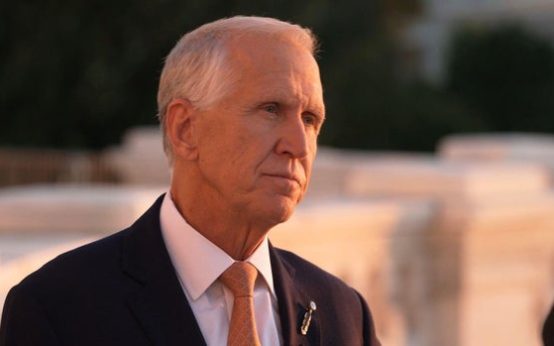 Sen. Thom Tillis Criticizes Trump’s Administration in New Book
 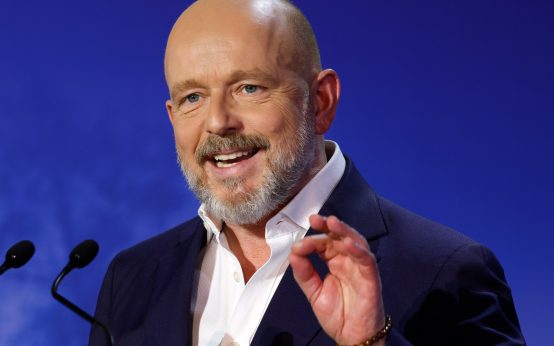 Controversy Surrounds Steve Hilton’s Campaign Ad Amid Gubernatorial Race
 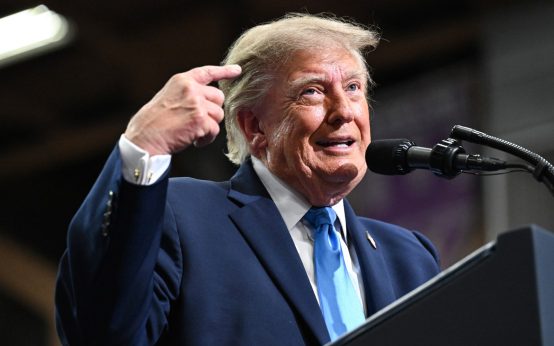 Trump Calls for Probe into Alleged ‘Paid Protesters’
  Donald Trump Criticizes Fox News for Rally Coverage
 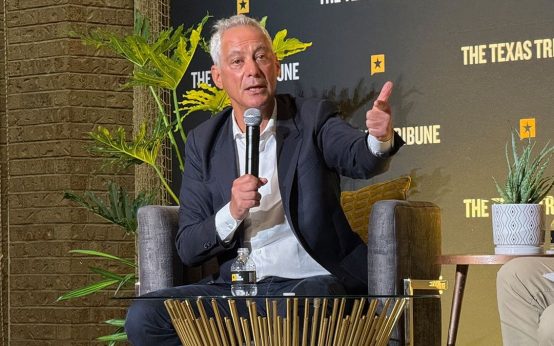 Rahm Emanuel Advises Against Impeaching Trump and Calls for Ethics Reforms