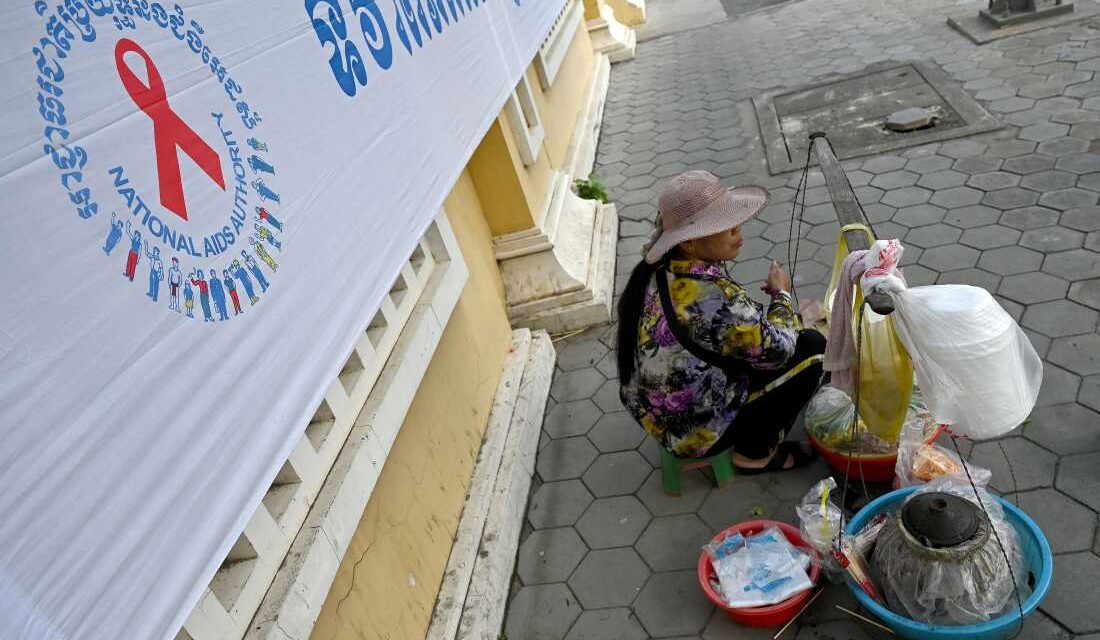
Cambodia has become the pioneering nation in Asia to meet the U.N. goals for controlling HIV. The targets involved 95% of HIV-positive individuals knowing their status, 95% of diagnosed individuals receiving medication, and 95% of those medicated achieving viral suppression. Viral suppression drastically lowers the risk of transmitting HIV to partners.
In June, Cambodia reached these targets, marking a milestone in the Asia-Pacific region. The U.N. set these ambitious benchmarks in 2020, and since then, 11 nations have achieved them, predominantly in Africa. Denmark stands as the sole European country on this list. Other affluent Asian nations like Japan and South Korea have faced challenges in meeting these targets.
“The primary barrier continues to be stigma,” said Dr. Annette Sohn, director of amfAR’s TREAT Asia program, emphasizing the societal challenges faced by individuals seeking HIV care and treatment.
Stigma surrounding HIV inhibits individuals from getting tested or seeking treatment. In Cambodia, efforts to create accepting healthcare environments have been crucial. Advocacy has focused on understanding that acceptance can lead to life-saving healthcare access.
The Heart-wrenching Journey of Sophal Seum
Sophal Seum, an advocate for people living with HIV, shared his personal story. Diagnosed in 2000, Seum lost his job due to mandatory testing. Despite these struggles, medication enabled him to survive. Seum now champions for HIV-positive individuals, organizing community meetings and offering counseling.
During the peak of the AIDS crisis in Cambodia, up to 15,000 individuals died annually. Before the availability of medication in 1998, fear of the virus was rampant, with Seum recalling widespread fear and misconceptions about HIV.
Strong Political Commitment in Cambodia
Cambodia’s HIV epidemic reached its height in the late 1990s and early 2000s with around 180,000 individuals infected. Today, this number is significantly reduced, with the national rate falling from above 2% to below 0.5%. Most of Cambodia’s 76,000 HIV-positive citizens receive medication.
The executive director of KHANA, Chamreun Chob Sok, attributes success to three main factors, starting with political will. Both the monarchy and government prioritized HIV efforts, launching campaigns like “No condom, no sex.” By 2002, the practice of mandatory blood testing for employment was abolished.
“We recognized the importance of the lived experience,” says Sok, noting the significance of community-based solutions.
KHANA’s initiatives include the SmartGirl program, run by women who worked in high-risk environments. These women conducted testing and provided counseling and support to those affected. For high-risk groups like men who sleep with men, KHANA established supportive community hubs.
Transgender counselors launched “Srey Sros,” signifying safety and acceptance in healthcare access.
Cambodia’s Achievement with Personal Stories
Cambodia’s progress in HIV control is also supported by personal stories of resilience. Dalish Prum, a program manager for CPN+, exemplifies this. Abducted and trafficked at 15, Prum was diagnosed with HIV while still in school. Despite early despair, she graduated, advocated for HIV prevention, and built a family.
Prum’s medication keeps the virus undetectable. She is an advocate who supports others, emphasizing that a full life is possible with HIV. She urges her clients to embrace self-love and dignity.
In healthcare settings, challenges persist for HIV-positive individuals. However, Cambodia’s 95-95-95 achievement is a hopeful sign of positive change and effective interventions.
 Early Detection of Atherosclerosis and Heart Disease Prevention
  Church Attendance Linked to Increased Sexual Satisfaction for Married Couples
  Dining with Loved Ones May Benefit Blood Sugar Levels
  Urgent Need for Action in East Africa’s Food Crisis
  Facing Terminal Illness: Embracing Life’s Moments
  Eating with Partners May Impact Blood Sugar Regulation