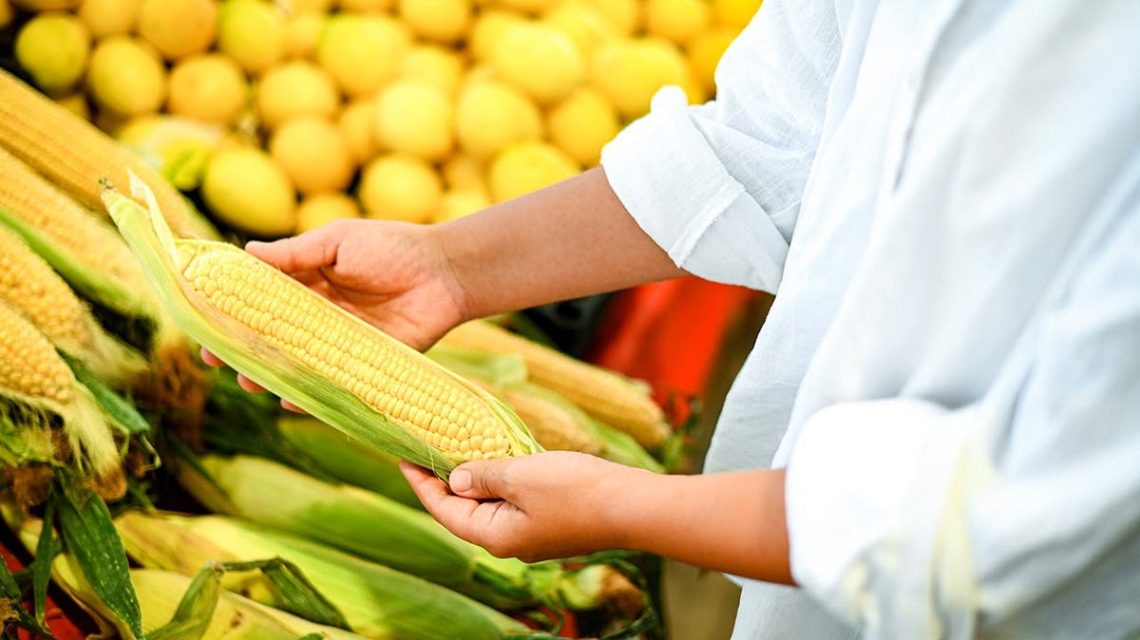
The arrival of fresh summer corn in grocery stores and farmers markets brings back a familiar question: Should shoppers shuck corn before buying?
Why Shuck Corn?
Shucking corn involves removing the outer green husks and the corn silk to reveal the kernels. Some people choose to do this to inspect the quality and check for insects.
“Some stores encourage customers to shuck corn in the store by providing trash bins beside the corn display,” said etiquette expert Jacqueline Whitmore. “Here’s the caveat: If you shuck it, buy it. If the ear of corn is bad, inform a manager or discard it in the provided trash bin.”
Leaving partially shucked corn can make it less appealing for others and increase food waste. If no bin is available, it is better to avoid the mess and potential waste.
Considerations for Shucking
Shucking corn not only poses etiquette challenges but also raises sanitation issues. The husks protect the corn from dirt and bacteria, and removing them in-store could expose kernels to contaminants from hands and store surfaces.
Experts recommend waiting until you are ready to prepare and consume corn before removing the husks. They preserve the kernels’ moisture and freshness. Early shucking can expose corn to oxygen, causing moisture loss and converting sugars to starch, diminishing sweetness.
Maximizing Corn Use
Farmer Lee Jones from The Chef’s Garden farm stated that handling corn wastefully is unnecessary as all parts of the ear can be used creatively. Chefs find ways to utilize the stalk, silk, husk, and cob in various dishes.
Corn husks can be used for teas, soup stocks, and as wraps for grilling. Pulling back husks to check for worms or imperfections remains a common practice among shoppers.
Examining Corn Quality
There are efficient methods to judge corn quality without shucking. Compare ear weights and squeeze them. Heavier ears indicate more moisture and sweeter kernels. The ear should feel firm and plump.
Check the silk and husks. Fresh corn usually has light brown or golden silk that might be slightly sticky. Black or dried silk suggests aging. Bright green, tightly wrapped husks indicate recent harvests. Faded or brittle husks, or those with holes, may show age or insect damage.
If you’re not planning to eat the corn soon, store it cool and covered. Always wash produce before eating to eliminate dirt and pesticide residues, as advised by Everyday Health.
 Former Stripper Finds Hope and Redemption Through Faith
  Church Attendance Linked to Increased Sexual Satisfaction for Married Couples
  Dining with Loved Ones May Benefit Blood Sugar Levels
  Eating with Partners May Impact Blood Sugar Regulation
  The True Value of Youth Sports
  Foods Linked to Longevity and Healthier Aging