Trump’s Push for Capital Punishment
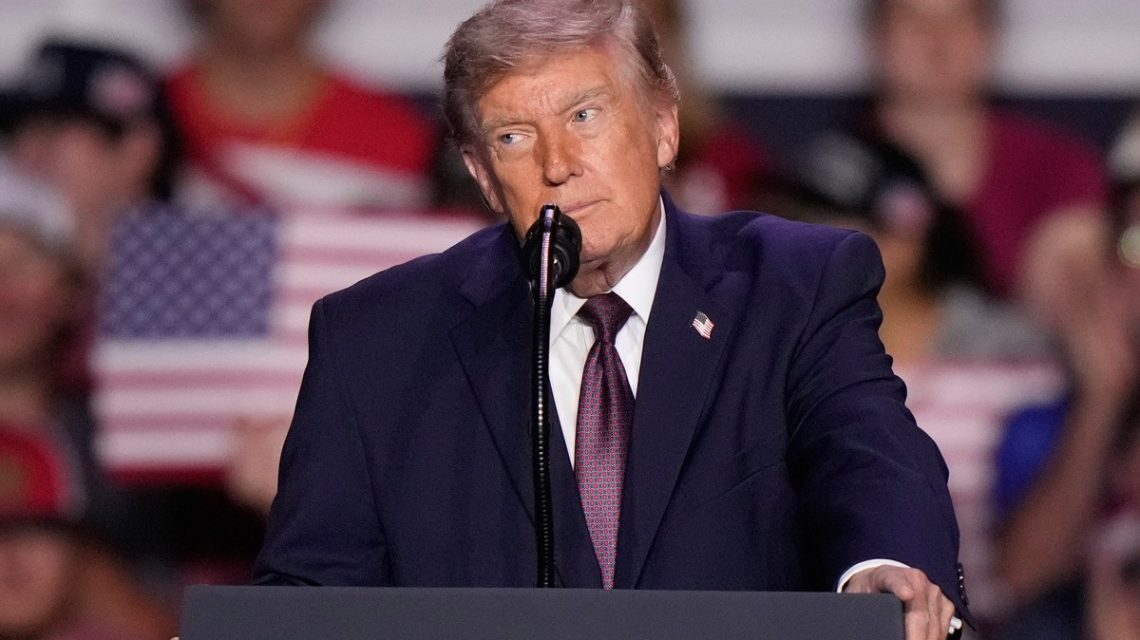
President Donald Trump has announced plans to broaden capital punishment in the United States, targeting large-scale drug dealers, human traffickers, and individuals who kill police officers. This pledge comes amid criticism from human rights groups and death penalty advocates following the failed execution attempt of Christa Pike in Tennessee.
Christa Pike’s Failed Execution Attempt
Pike, convicted for the murder of Colleen Slemmer in 1995, faced execution but survived after receiving doses of the lethal drug pentobarbital. Her legal team reported she was critically ill and undergoing hospital treatment. The execution failure highlighted issues with the lethal injection process, sparking debate about its reliability and ethics.
Pike, who has been incarcerated most of her adult life, was involved in another violent incident in prison in 2001. Despite multiple appeals against her death sentence, legal challenges fell short, leading to her being the first woman scheduled for execution in Tennessee in over two centuries.
Controversy and Legal Reactions
Despite Pike’s legal team’s warnings about her suffering from PTSD and having small veins complicating the injection process, her execution proceeded. Witnesses described Pike’s distress during the attempt, as her execution team failed to properly administer the lethal injection.
Governor Bill Lee responded by halting all executions in Tennessee for the year and initiating an independent investigation into Pike’s failed execution. The incident has reignited debates around capital punishment’s administration and ethics.
Public Opinion on Capital Punishment
Opposition to the death penalty is growing. While public support among Americans remains at 52%, it has decreased from previous decades. Younger generations are notably against the death penalty, reflecting a shift in societal attitudes.
Despite decreasing popularity, Trump’s administration aimed to maximize the use of capital punishment, citing its necessity for severe crimes. Executions reached a peak by 2025, with 47 individuals executed across the nation. Plans were announced to consider alternative execution methods like firing squads and electrocution.
Implications for the Future
The debate over capital punishment continues, with political motivations often influencing execution policies. The case of Christa Pike serves as a stark reminder of the complexities and challenges within the justice system’s approach to administering the death penalty. As public sentiment shifts, the future of capital punishment in the U.S. remains uncertain.
 Sen. Cotton Opposes Permanent Daylight Saving Time
  Steve Hilton’s Latino Outreach and Gubernatorial Ambitions
  The Need for Reform in Presidential Nominations
  Controversy Surrounds Performances at Gillette Stadium
  Celebrity Controversies Over Political Activism and Speech
  Trump Pushes for Permanent Daylight Saving Time, Sharing Senator’s Contact Information