
PBS recently aired a NewsHour segment that raised questions about its reporting style. The program, intended as straight news, skirted serious exploration of its topics. Instead, it leaned on a consensus-based approach, avoiding the complexities of contentious debates. While other media outlets exhibit similar tendencies, PBS’s recent arts coverage exemplified this pattern.
The segment, reporting from Minnesota, highlighted economic challenges facing small arts organizations. However, it failed to specify what these ‘tougher economic pressures’ entailed, vaguely hinting at Trump administration budget cuts. Senior arts correspondent Jeffrey Brown introduced a story focused on community groups in the Twin Cities responding to trauma, from George Floyd’s murder to the COVID-19 pandemic.
Brown’s piece spotlighted small community groups organizing protests, even in harsh weather. Jennifer Weir from TaikoArts described the experience as energizing, yet the report faltered by not explaining their protest’s exact cause. The Mixed Blood Theatre in Minneapolis was another focal point, described as being ‘in the thick of it,’ commissioning monologues on ICE activities. Its director, Mark Valdez, affirmed the group’s commitment to social justice through theater.
Valdez explained their approach, emphasizing community building and racial equity. The organization also offered legal training, employing actors to simulate ICE agents. This aspect underscored their social justice mission, but PBS failed to scrutinize it further, shifting instead to lament funding declines from both public and private sectors due to Trump-era cuts.
Viewers were left questioning what cuts and pushbacks occurred, as PBS provided no clarity. The segment closed with Brown participating in a drum circle, describing it emotionally, blurring lines between participant and reporter. Critics assert that such coverage inadequately examines left-wing activism, missing an opportunity for balanced journalism.
This piece did not address contrasting views on immigration and law enforcement, nor justify public funding for such activism amid suggested program cuts. It offered little new insight, serving more as a politically aligned statement than informative journalism. PBS’s portrayal suggested activist endeavors as universally positive, neglecting that their perspectives may clash with those of many viewers. This approach challenges journalistic integrity and fails to present diverse perspectives, essential in unbiased reporting.
 Controversy Unfolds as Broadcaster is Let Go Over Old Tweets
 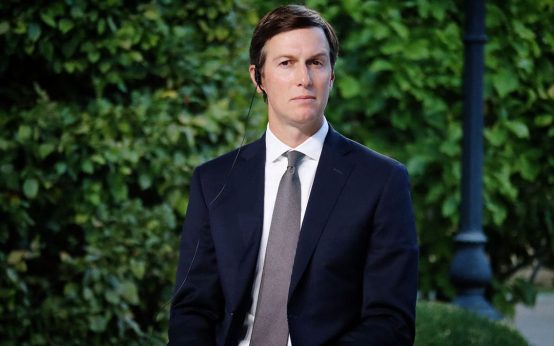 Kushner Criticizes CNN Article Over Claims of Conflict of Interest
  Journalist Clarifies Involvement After Hot Mic Incident
  Fox News Maintains Top Position on YouTube and Social Media
 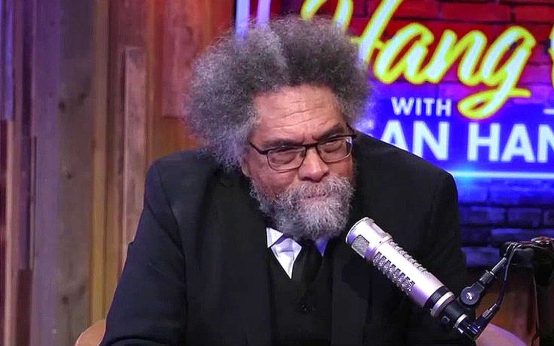 Cornel West and Sean Hannity Discuss Differences on Podcast
 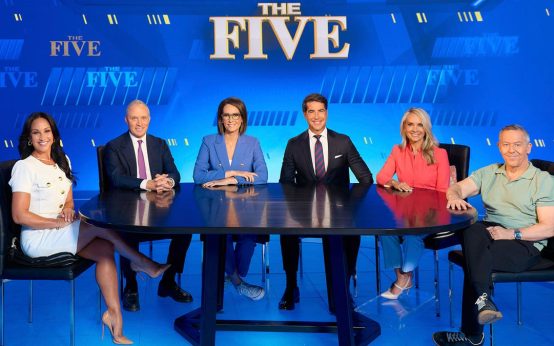 Fox News Leads in Viewership Ahead of 30th Anniversary