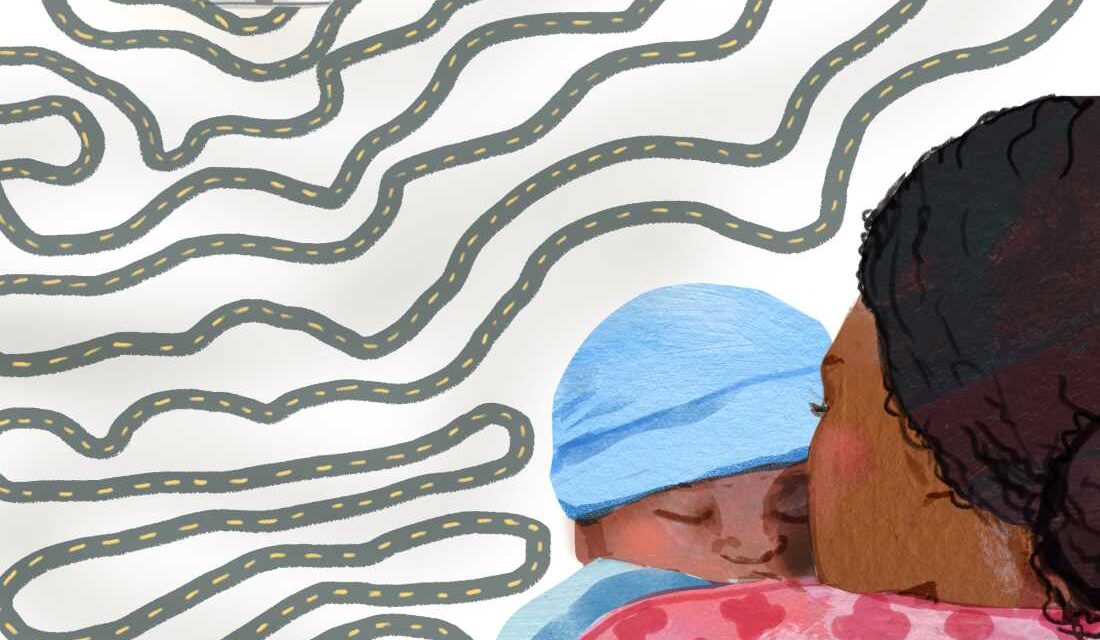
A midwife in Alabama, Nadia Gramby, travels extensively to support expectant mothers, a crucial task as maternity deserts expand across the U.S., the March of Dimes report reveals. Maternal care access is declining, with over 52% of U.S. counties lacking hospital birth services. The 2026 March of Dimes report highlights that nearly 35% of counties are maternity care deserts, lacking any birthing facilities or obstetric clinicians.
Gramby, along with her husband Shamar and their children, resides in Chelsea, Alabama. She runs her practice, Crown of Glory Birth Services, providing comprehensive care to families during pregnancy, birth, and postpartum. The type of care she offers is vital, especially in areas with limited maternity care. Gramby stands among approximately 1,200 Black midwives across the country, offering personalized care beyond medical procedures.
“Seeing families who feel safe is an amazing joy,” Gramby remarks.
On recent journeys, Gramby drove over 300 miles in a day to visit patients, illustrating her dedication to families in maternity deserts. Dr. Michael Warren from the March of Dimes acknowledges that living in these deserts leads to poorer pregnancy outcomes. Statistics from the CDC show over 20,000 babies die yearly before their first birthday, and approximately 600 women die from pregnancy-related complications, with higher risks for women of color.
Midwives play a pivotal role in expanding maternity care access. The March of Dimes’ latest report underscores the challenges facing millions seeking local maternity care. The report identifies regional disparities, with the highest maternity deserts in the South and Midwest. About 2.4 million women of reproductive age live in these areas, and over 150,000 births occur annually with limited access.
The situation worsens as legislative changes, such as President Trump’s recent bill, restrict Medicaid and reduce Affordable Care Act benefits. Over 500 maternity wards closed between 2010 and 2022 due to funding and staff shortages. Such closures impact both urban and rural communities, increasing infant mortality rates. Recent examples highlight this, with Maine and Washington D.C. seeing critical maternity ward closures.
Warren emphasizes the danger, saying, “We live in one of the most dangerous developed countries for childbirth.”
With these disparities, midwives like Gramby strive to provide care where it’s needed most. Her work reflects a commitment to overcoming racial and cultural gaps in maternity care. She is motivated to support Black families, who often feel more comfortable with caregivers that share their cultural background.
The March of Dimes’ report recognizes progress over the past decades but calls for enhanced midwifery roles to improve maternal health outcomes. Midwives attend 12% of nationwide births, a figure that has grown over ten years. However, restrictive state laws and varying insurance coverage pose challenges.
In Alabama, midwives are challenging restrictive licensing, advocating for greater autonomy, and the ability to prescribe medication independently. The March of Dimes supports these efforts, pushing for hospital privilege expansions for midwives.
“We have work to do,” Gramby states, hopeful for change. She views comprehensive maternal care as a basic right.
 Increased Funding Needed for Psychiatric Hospitals
  Trump Administration Distributes ACA Refund Checks
  Higher Consumption of Ultra-Processed Foods Linked to Increased Health Risks
  Understanding Inflammation: Myths and Facts
  Calm Parenting: Strategies to Manage Stress
  Trump’s Executive Order to Combat Mosquitoes and Ticks in D.C.