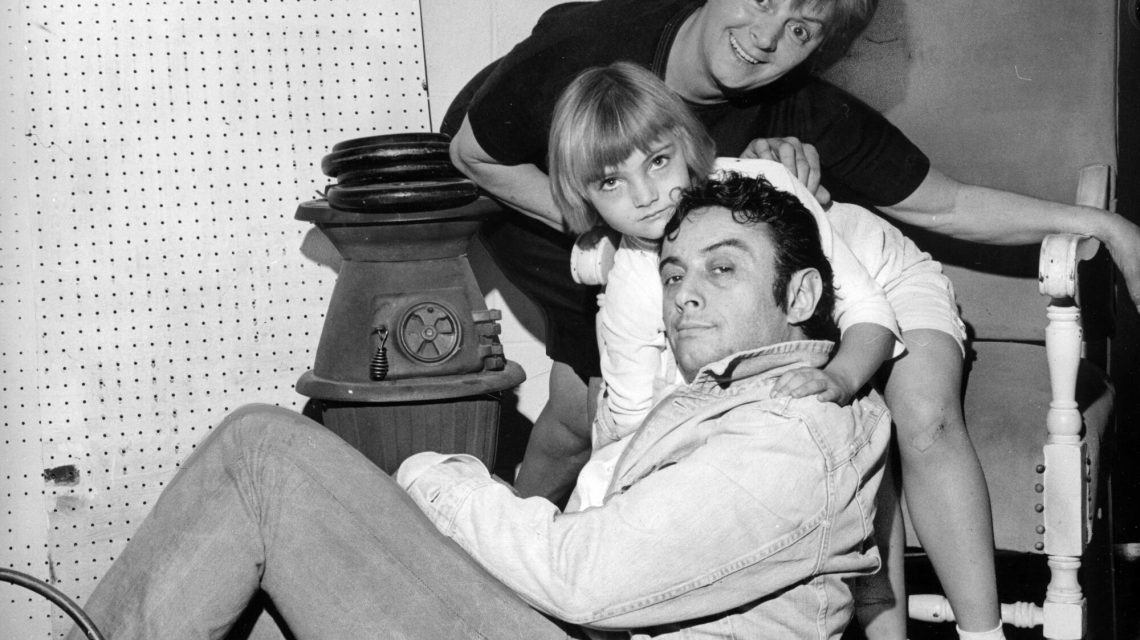
Lenny Bruce, a trailblazing comedian, found himself defending his act in court. He was well-known for challenging the comedic norms of his time, moving away from typical jokes to deliver satire and social commentary. This approach put him at odds with authorities, particularly in the early 1960s when he faced obscenity charges in Beverly Hills Municipal Court.
Bruce aimed to provoke thought and compassion with his performances. He argued that many were unfairly jailed, and he urged society to reconsider its approach to punishment. Bruce described his trial as a wasteful effort, a view he did not shy from expressing on the stand.
The charges against him arose from his acts at venues like The Troubadour and The Unicorn. His explicit language and provocative skits, such as those involving figures like the Lone Ranger, frequently drew legal attention. This was not his first experience with obscenity charges or drug-related arrests, which he attributed to law enforcement efforts to silence him.
“He died from an overdose of police,” remarked Phil Spector, connecting Bruce’s struggles to persistent law enforcement harassment.
Bruce’s contentious relationship with the legal system wore him down. By the mid-1960s, his performances often referenced his legal troubles, decreasing his audience’s interest. When Bruce died of a heroin overdose in 1966, his body became a spectacle for the media, crafted by the authorities to highlight what they saw as the decline of his moral character.
Bruce’s posthumous reputation is one of reverence, especially among comedians and free speech advocates. Though controversial, his work is seen as paving the way for future generations of performers. His confrontations with the law highlighted evolving boundaries around obscenity and free expression, marking him as a ‘saint’ of comedy in some eyes.
Born Leonard Alfred Schneider, Bruce left formal education early and started performing in nightclubs. He eventually ended up in the Navy before delving into acting. His comedic style carried the rebellious spirit of the Beat generation and often challenged social and religious hypocrisy.
Bruce’s routine frequently targeted organized religion and societal injustices. Vice squad officers, like Sherman Block, testified against his act, focusing on his use of language and themes they deemed offensive. Despite the charges, Bruce remained defiant, equating himself to satirist Jonathan Swift and arguing that his work oscillated between serious commentary and absurd humor.
The legal battles Bruce faced had lasting effects. After his death, obscenity convictions for comedians became rare as laws adapted to benefit artistic freedom. Yet, Bruce’s audacious style and language continue to elicit mixed reactions.
Robert Corn-Revere, a lawyer who worked to pardon Bruce posthumously, noted that Bruce challenged linguistic taboos, believing repetition could diminish their offensive nature. This practice, although controversial, represented his broader fight for free expression.
In recent years, Bruce’s legacy has met new challenges. Shifts in cultural sensitivity around language have led some to reconsider his methods. Despite this, his influence on comedic freedom remains significant. As Ronnie Marmo, who portrays Bruce in a stage show, noted, audience perceptions evolved in response to societal changes such as the George Floyd protests.
Lenny Bruce’s story underscores the ongoing dialogue around free speech, offensive language, and cultural change. His willingness to push boundaries, and the subsequent legal repercussions, have left a lasting mark on the world of comedy and beyond.
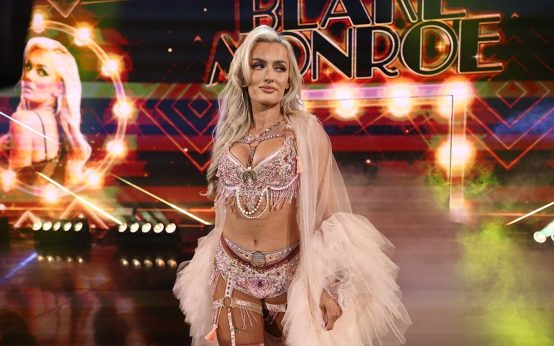 Blake Monroe’s Emotional WWE SmackDown Debut
 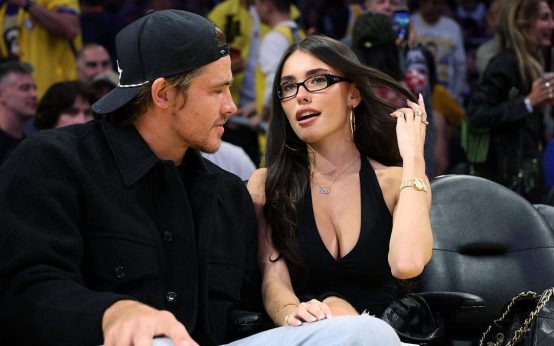 Screencaps: Insights into Sports, Pop Culture, and College Trends
 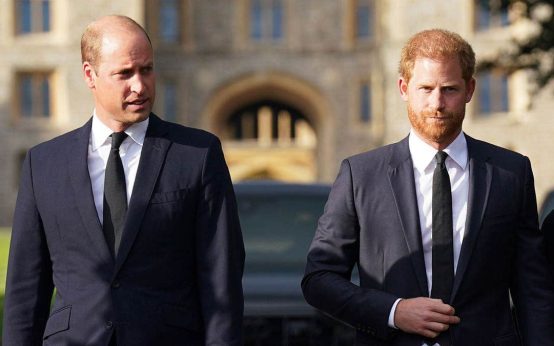 Tensions Surround Prince William and Prince Harry Amid Diana Anniversary Projects
 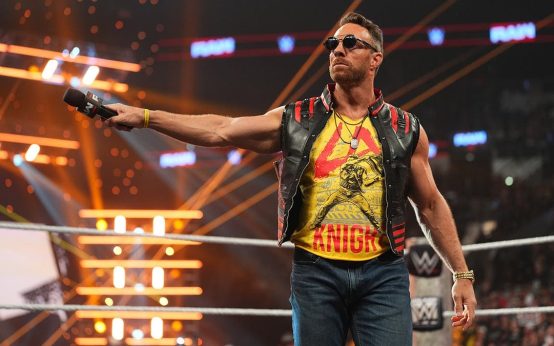 LA Knight’s Championship Opportunity Against Roman Reigns
  Family Dynamics: Milania Giudice’s Heartfelt Birthday Message Amid Ongoing Legal Challenges
 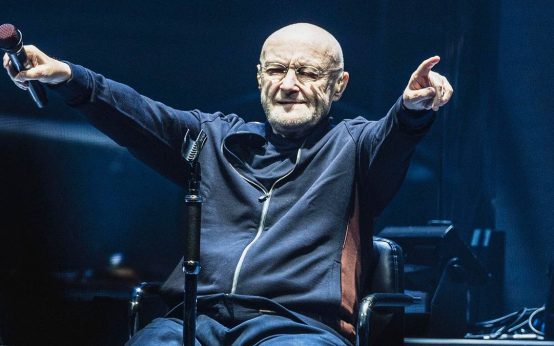 Phil Collins Criticizes Trump, Talks Unwritten Song about America