
The Trump administration has announced plans to rescind a rule established over 25 years ago, which has blocked logging and road construction in national forest lands. This decision has sparked strong opposition from environmentalists across the country. The U.S. Forest Service is set to propose eliminating the roadless rule, which was initially enacted during Bill Clinton’s presidency in 2001. The Forest Service views the rule as a limiting factor for land managers and a barrier to reducing wildfire risks in forests. U.S. Agriculture Secretary Brooke Rollins stated that the current conditions, such as overgrown vegetation and insect outbreaks, have created fire hazards.
Scientists attribute worsening wildfires to climate change effects, reduced logging, and efforts to suppress fires, which have allowed combustible materials to accumulate. Clinton introduced the rule to protect undeveloped forest land from commercial activities, aiming to preserve ecosystems and water sources.
Rollins criticized the roadless rule as ineffective and proposed granting more power to local forest managers. The rule’s removal supposedly aims to improve forest health across millions of acres. Approximately 59 million acres, which account for 30% of national forest lands, have been affected by the rule according to the U.S. Department of Agriculture.
The Forest Service plans to collect public feedback on the proposal and a draft environmental impact statement filed this week. Although the rescission would remove national roadless area designations, it would not mandate timber cutting or road construction. The proposal aligns with previous intentions announced by the Trump administration during a Western governors meeting in New Mexico last summer. Environmentalists remain concerned about the potential harm to old growth forests, wildlife, and water supplies.
Attorney Chris Krupp with WildEarth Guardians emphasized that the public values protections for these lands, warning politicians against underestimating public sentiment. The Alaska Wilderness League and similar organizations worry about the implications for areas like Alaska’s Tongass National Forest, which has seen legal battles regarding its management. Political leaders in Alaska support exemptions for the Tongass, viewing the rule as an obstacle to economic growth.
In Trump’s first term, restrictions on logging and road-building in the Tongass were lifted, but the Biden administration later reversed this action. Emma Powell of the Alaska Wilderness League described the Tongass as a critical habitat for wildlife and cultural activities, underpinning local economies through industries like fisheries and tourism.
Alex Craven of the Sierra Club countered officials’ arguments about wildfire risk reduction, suggesting that more roads may increase fire occurrences. He highlighted that the Forest Service has always been allowed to take measures to reduce wildfire fuels. Craven pledged that environmental groups would contest the proposal at every opportunity. The deadline for comments on the proposal is set for September 21.
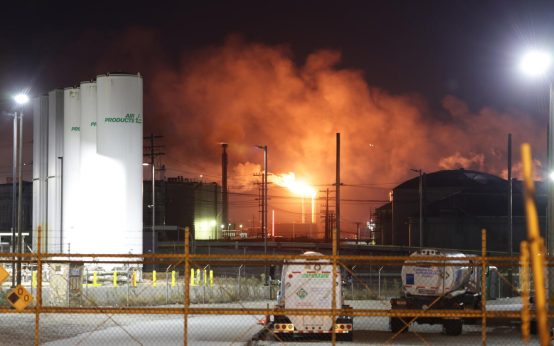 Supreme Court’s New Term Tackles Climate Liability and Key Legal Battles
 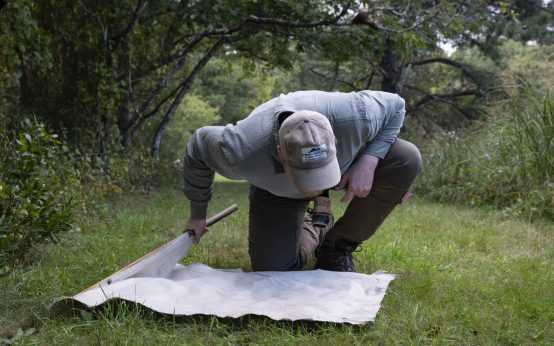 Tick Crisis on Martha’s Vineyard: A Growing Health Threat
  Colorado’s Emissions Regulation and Its Broader Implications
  The Threat of Melting Glaciers: A Call to Action
 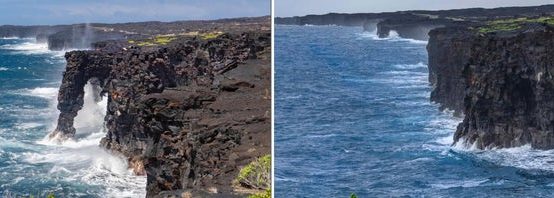 Collapse of Hawai’i’s Hōlei Sea Arch Amidst Storms
  Los Angeles Faces Uncommon Heatwave in October