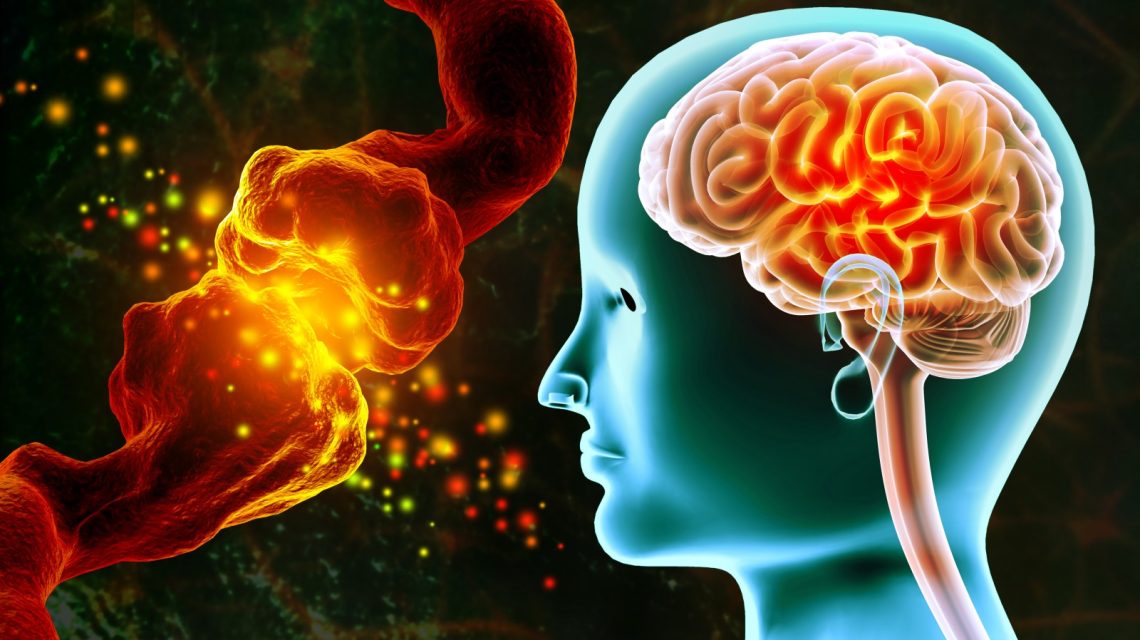
A recent study suggests a new method for predicting dementia risk, focusing on brain age assessment rather than traditional visual rating scales. Memory clinics currently use these scales to detect brain atrophy linked to dementia, but subtle changes in early stages often go unnoticed.
Dementia, affecting brain functions like memory and thinking, includes conditions such as Alzheimer’s disease. As per the World Health Organization, 57 million people globally lived with dementia in 2021. Early signs of dementia can include memory loss, confusion, difficulties in communication, and uncharacteristic behavior.
Dementia progresses over time, leading to severe impairments. Patients may fail to recognize loved ones or manage basic functions. Researchers now suggest that evaluating the perceived age of a brain on MRI scans compared to the actual age could forecast dementia risk years ahead of obvious signs.
Stefan De Vries, a researcher, highlighted that computer-estimated brain age from MRI scans provides valuable insights beyond standard visual assessments, especially in cases of subjective cognitive decline (SCD), though less so in mild cognitive impairment (MCI). This indicates its usefulness for detecting early-stage disease changes that visual assessments might miss.
The study, conducted by Amsterdam UMC in the Netherlands, utilized AI algorithms to assess brain age discrepancies in MRI data spanning from 2002 to 2024. Researchers introduced brain-PAD, the gap between perceived and actual age, to identify MCI linked to dementia.
Findings revealed that each year a brain appears older than a person’s chronological age increases dementia risk by 6%. Early detection helps clinicians tailor strategies for patients, typically using MRI scans to track brain shrinkage.
If the new brain age approach captures more nuanced changes, it could detect disease or risk earlier. The study evaluated records from 799 patients at the Alzheimer Center at Amsterdam UMC over 22 years. Patients comprised 412 with SCD, reporting memory issues despite normal test results, and 387 with MCI, showing mild cognitive decline.
Analysis included structural MRI scans, cognitive test scores, and traditional MRI visual ratings, as reported by Medical Xpress. AI-based calculations revealed that a significantly older brain age indicates a higher dementia risk. However, SCD patients whose brain age appeared at least 2.6 years younger had up to a 99% chance of avoiding dementia in the next two to ten years.
Nonetheless, calculating brain age for MCI patients offered limited additional data over existing MRI ratings. Further research in clinical applications is necessary, but researchers advocate its potential alongside current methods for identifying individuals at heightened dementia risk.
De Vries disclosed ongoing inquiries into AI support for radiologists and improved diagnostic precision in memory clinic settings.
Reference: Stefan De Vries et al, Comparison of Brain Age With Standard MRI Assessment for Dementia Risk Stratification in Subjective and Mild Cognitive Impairment, Neurology (2026). DOI: 10.1212/wnl.0000000000218418.
For editorial contact: Sirena Bergman and James Debens at Newsweek.
 AI Steps into Health Care with Medication Prescriptions in Utah
  Understanding the Rise in Stroke Risk Among Young Americans
  A Headache Leads to a Life-Threatening Discovery for Julie Nashawaty
  Advocates Step In as Official Channels Struggle with Family Homelessness
  From Birth to Bravery: A Story of Overcoming Clubfoot
  Exploring Beverages for a Longer Life in Blue Zones