
Efforts to enhance and maintain early childhood education have overlooked a critical element in the national discussion. We are falling short in developing a sufficient number of leaders who possess the specialized knowledge needed to transform effective policy concepts into enduring, functioning systems.
The importance of having skilled leaders in early childhood education cannot be overstated. These leaders play a key role in bridging the gap between policy and practice. Without them, good ideas remain unimplemented, and systemic progress becomes difficult.
The focus must shift towards cultivating individuals with the expertise to lead these initiatives. Investing in training programs and educational pathways that emphasize the necessary skills and knowledge is essential. It is through this approach that we can ensure that effective policies translate into practical improvements in the educational landscape.
Addressing this leadership deficit will require collaboration between educational institutions, policymakers, and industry stakeholders. Together, they can design comprehensive programs that nurture future leaders equipped to handle not only immediate challenges but also long-term strategic planning for early childhood education.
By prioritizing the development of leaders with the right skills, we can create sustainable educational systems that offer lasting benefits for young learners. It is crucial to recognize and address this gap in our efforts to secure the future of early childhood education.
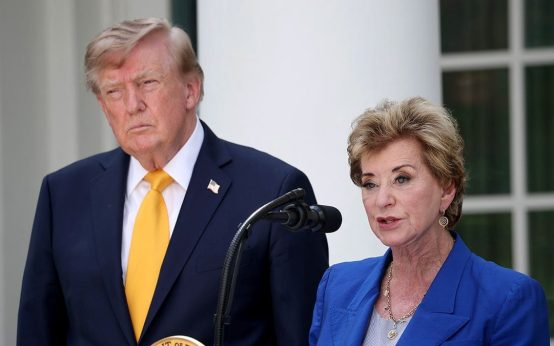 Democratic Governors Face Pressure on Federal School Choice Program
  Navigating School Year Challenges and ‘The Talk’ on Safety
  Former Cornell Instructor Discusses Sexual Harassment Allegations
  Cornell University’s Sexual Assault Allegations Spark Legal Battles and Investigations
  Larkin High School Unveils First Outdoor Sports Stadium
  Cornell University Fraternity Faces Allegations in Sexual Assault Case