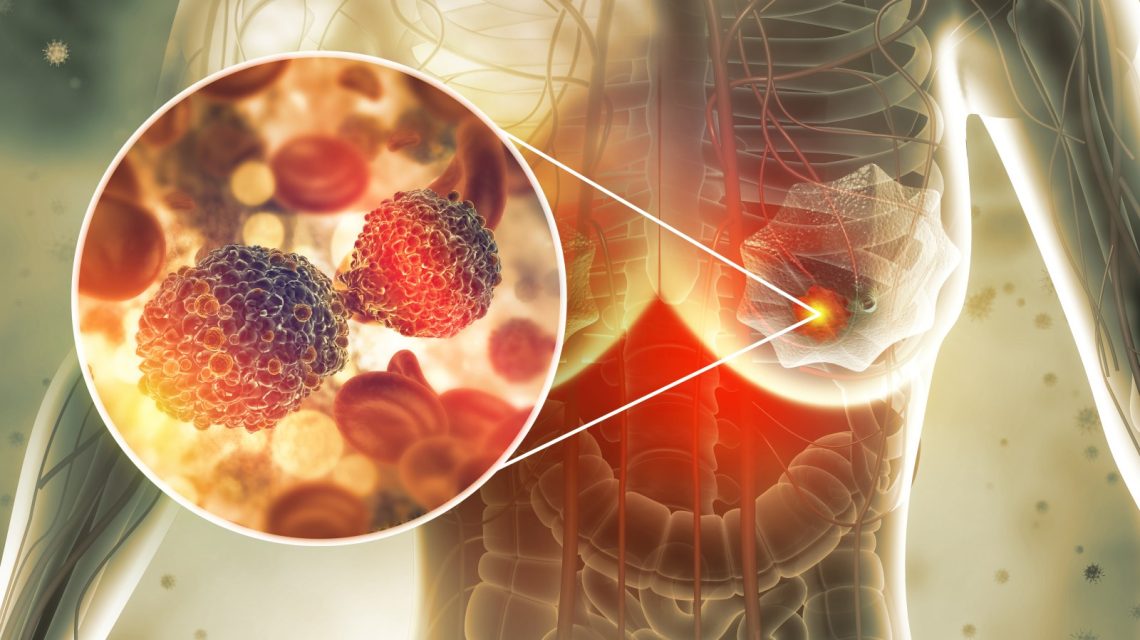
Researchers have made strides in understanding how dense breast tissue can lead to cancer, potentially allowing prevention of tumors before they form. Dense breast tissue often complicates cancer screening and increases cancer risk. The Mayo Clinic highlights that dense tissue appears as solid white on mammograms, obscuring cancers and raising the likelihood of breast cancer.
Scientists at UC San Francisco believe they have found a mechanism explaining why individuals with dense breast tissue face a higher cancer risk. According to Medical Xpress, dense tissue’s stiffness attracts immune cells, which release chemicals that mutate DNA. This mutation process heightens the chance of developing cancer.
Medical professionals have long noted the correlation between dense tissue and cancer. With this new research, they may prevent the damaging effects of dense tissue.
Mary-Kate Hayward, the study’s lead author, explained to Newsweek: “We’ve long known that dense breast tissue raises cancer risk, but not why. Our study shows the stiffness of dense tissue alters macrophage behavior, prompting them to release chemicals harmful to nearby cells’ DNA. This mechanism might explain how dense tissue triggers cancer development.”
Study Insights
Published in Cancer Cell, the study involved examining tumor samples, measuring tissue stiffness, and analyzing collagen presence. Researchers found stiffer tumor areas had more collagen, scarring, macrophages, and DNA mutations. Elevated levels of the STAT3 signaling pathway, associated with cancer, were noted.
Scientists grew tumors in gels and used mouse models, discovering a stiff environment activated STAT3 in breast cells, attracting macrophages. These macrophages appear instrumental in cancer growth.
Researchers learned macrophages in stiff gels produced reactive oxygen species (ROS), indicators of cancer. Although ROS are short-lived, they cause oxidative damage to fats, forming DNA-damaging chemicals transferable to nearby cells.
Hayward remarked: “The macrophages were making DNA-damaging chemicals. We usually consider environmental chemicals as carcinogens, but macrophages also produce such damaging agents within the tissue.” Further experiments revealed denser, stiffer tissue had increased aldehydes, DNA damage, and disease severity.
Researchers aim to investigate drugs preventing aldehyde formation in macrophages. Hayward shared with Newsweek: “The discovery offers a target. If we block these harmful chemicals, we may prevent cancer in high-risk tissue before tumors develop.”
 Understanding Inflammation: Myths and Facts
  Calm Parenting: Strategies to Manage Stress
  Trump’s Executive Order to Combat Mosquitoes and Ticks in D.C.
  Overcoming Weight Loss Challenges: Brain Health and GLP-1 Medications
  Supporting Children’s Mental Health at Home: Practical Steps for Parents
  Abdul El-Sayed’s Strategy to Attract Health-Conscious Voters in Michigan