
Preparedness drills in schools for potential shooting incidents have become a regular part of the educational landscape. These exercises are designed to enhance the safety and readiness of students and staff. However, there is often confusion between two distinct types of drills: lockdowns and active shooter simulations. It’s important to understand their differences and purposes.
Since the tragic mass shooting at Columbine High School in 1999, schools across the United States have implemented various forms of preparedness drills. These drills have become mandatory in many educational institutions. Their primary aim is to prepare students and educators for an emergency situation involving an active threat.
Lockdown Drills: A Focus on Safety
Lockdown drills involve securing the school building to prevent unauthorized access and protect those inside. During these drills, students and staff practice staying out of sight and remaining silent. The goal is to make it difficult for a potential intruder to locate or harm anyone.
These drills typically involve instructions such as locking doors, turning off lights, and hiding away from windows. Teachers and staff are trained to ensure that everyone follows the protocol swiftly and efficiently.
Active Shooter Simulations: Preparing for Direct Threats
Active shooter simulations differ significantly from lockdown drills. These exercises often involve role-playing a scenario where an active shooter is present within the school. The primary focus is on how to react if a direct threat arises. Participants practice specific actions, such as fleeing the area, finding shelter, or, if necessary, confronting the threat directly.
Such simulations aim to equip students and staff with the decision-making skills needed in a real-life emergency. These exercises can be more intense and emotionally challenging than lockdown drills.
While both drills are essential, understanding their unique roles in school safety plans helps in reducing anxiety and enhancing effectiveness. Educators should communicate clearly with students and parents about the purpose and procedures of each type of drill, emphasizing their role in keeping everyone safe.
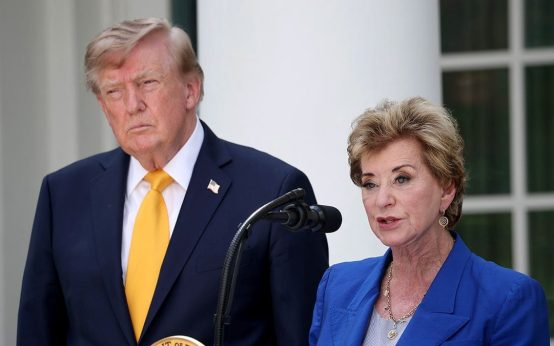 Democratic Governors Face Pressure on Federal School Choice Program
 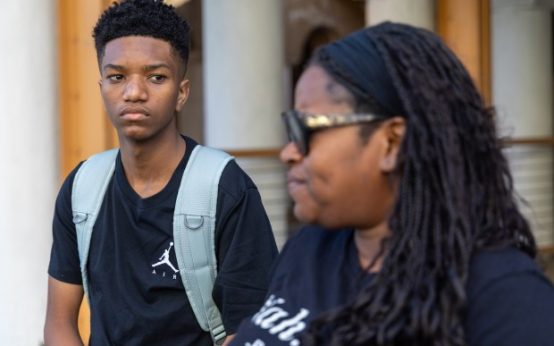 Navigating School Year Challenges and ‘The Talk’ on Safety
 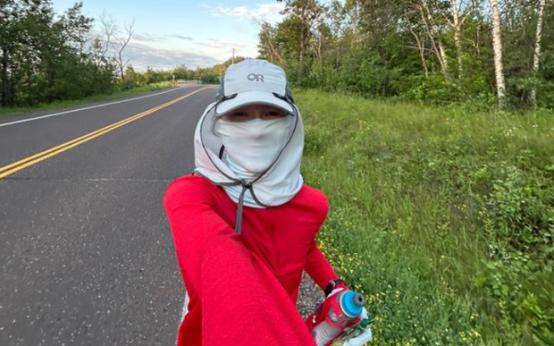 Running Towards a Future: Emily Pearson’s Journey with Erythropoietic Protoporphyria
 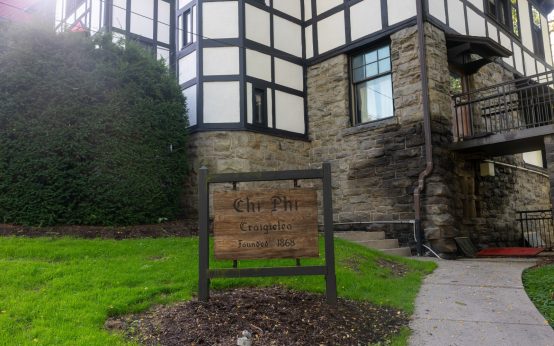 Former Cornell Instructor Discusses Sexual Harassment Allegations
  Addressing Concerns Over Child’s Health Decisions
  Expanded Recall of Bettergoods Lemon Alfredo Fettuccine Due to Listeria Concerns