A school district in Georgia has decided to remove Toni Morrison’s novel “The Bluest Eye” from its libraries, citing its graphic depictions of child rape and incest. This book is now one of over 30 titles removed by Cobb County, the second-largest school district in Georgia, since 2023. The district is focusing on removing sexually explicit material from K-12 media centers.
District leaders state that this action is aimed at protecting students and allowing parents to have more control over what their children are exposed to. On the other hand, free-speech advocates argue that this approach amounts to censorship and restricts students’ access to literature.
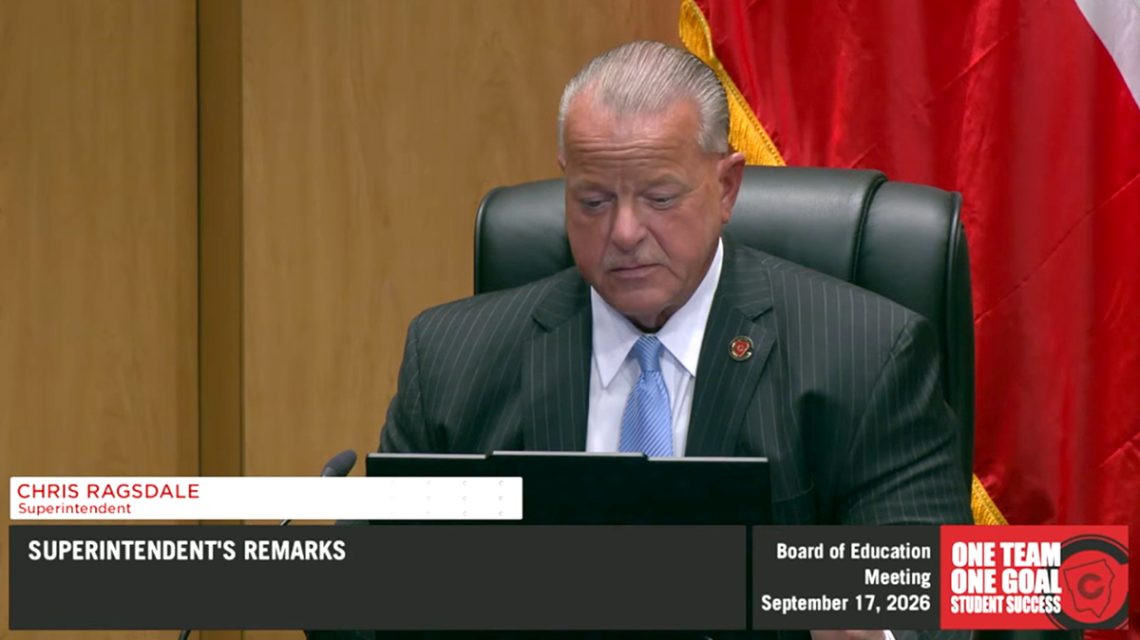
“We’re not banning the book, we’re removing those with sexually explicit content and allowing parents to make those decisions for their families,” said Cobb County Superintendent Chris Ragsdale.
During a Board of Education meeting, Ragsdale shared his concerns over explicit descriptions in the book, which depict the rape of an 11-year-old girl by her father. He emphasized that, as a superintendent and a father, he considers the importance of parents being aware of what their children read at school.
The decision affects other books as well, such as “A Court of Thorns and Roses,” “The Perks of Being a Wallflower,” “Me, Earl, and the Dying Girl,” and “Thirteen Reasons Why.” The superintendent explained that while other works by Toni Morrison are still available, books with sexually explicit content undergo a distinct administrative review.
Ragsdale highlighted that the district’s actions should not be seen as book banning. He compared it to the school’s restriction on showing R-rated movies in class, emphasizing parental choice in these matters.
“One size does not fit all. We want parents to have the ability to make decisions about what is appropriate for their children,” he stated.
Moms for Liberty, a parental advocacy group, supported the district’s decision. Tina Descovich, the CEO, mentioned that schools are not obliged to have every published work available and that the process used by the district worked as intended.
Kasey Meehan from PEN America criticized the decision, arguing that controversial excerpts from Morrison’s works are often taken out of context. She pointed out that books like “The Bluest Eye” provide young people with essential insights into consent and healthy relationships.
According to Meehan, changes that limit book accessibility affect all students, regardless of age or interest. She warned that restricting one book might lead to further censorship.
“Censorship is a slippery slope, and it never ends with just one book,” she commented.
 Democratic Governors Face Pressure on Federal School Choice Program
  Navigating School Year Challenges and ‘The Talk’ on Safety
  Former Cornell Instructor Discusses Sexual Harassment Allegations
  Historical Events in Chicago on October 3
  Cornell University’s Sexual Assault Allegations Spark Legal Battles and Investigations
  Martina Navratilova’s Enduring Influence in Tennis and Beyond