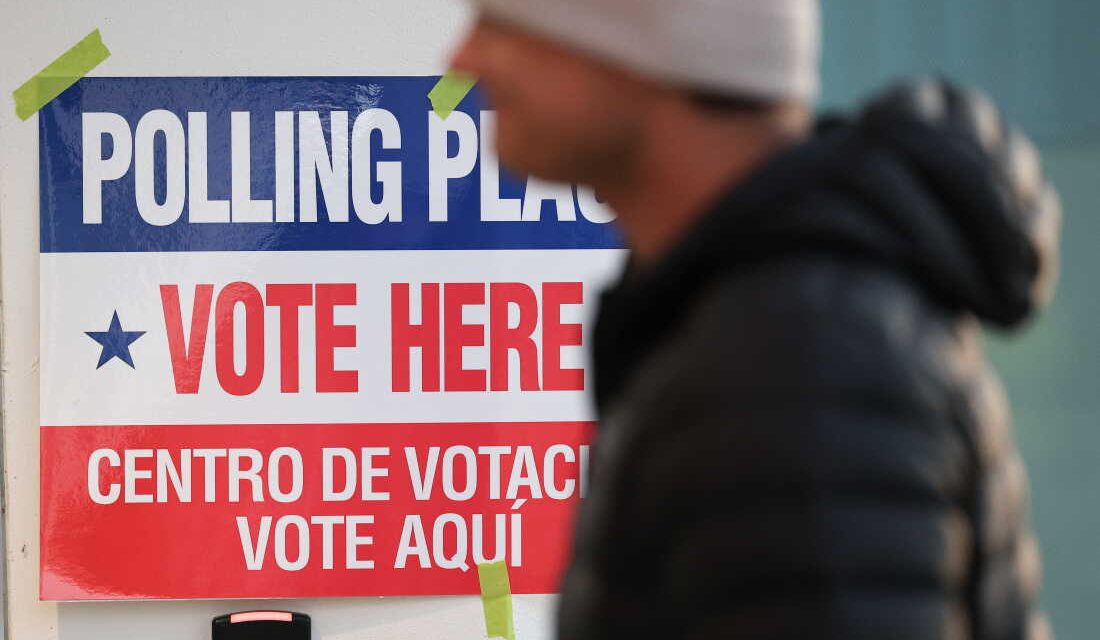
As voters lined up at polling locations, such as in Arlington, Va., uncertainty filled the air. “This is my 22nd year running elections,” remarked one election official from Colorado. “Absolutely, this is the most uncertain.” This sentiment echoes concerns across the U.S., particularly around President Trump’s executive order to restrict mail voting, which ultimately was stopped by the Supreme Court but left confusion in its wake.
Throughout this election year, local officials hear frequent questions from voters: “How is this going to work? How will you ensure my ballot is counted? How will I receive my ballot?” Carly Koppes, a Republican official from Weld County, Colo., noted these concerns in light of her extensive experience overseeing elections.
A recent University of California San Diego poll revealed that less than half of voters believe the midterms will be “free and fair,” despite three-fourths trusting their local officials to execute fair elections. Specific worries linger, with four in ten voters anticipating federal immigration enforcement presence at polling locations, a fear juxtaposed against laws prohibiting armed troops at election sites.
The Supreme Court’s halting of the mail ballot proposal also resulted in a drop in confidence regarding timely mail ballot delivery, highlighted by a 13 percentage point decrease found by the NPR/PBS News/Marist poll in just two years. Further polling by the Partnership for Large Election Jurisdictions showed 62% of respondents concerned that disputes over election rules might jeopardize their ballot’s inclusion.
Stephanie Thomas, Connecticut’s secretary of state, noted the persistent sense of unease among voters. She describes interactions with citizens carrying vague fears related to election processes, urging officials to balance alarm with reassurance. In Minnesota, Secretary of State Steve Simon referenced the state’s confrontations with federal immigration authorities, suggesting sustained voter anxiety.
Discussing potential impacts on midterm turnout, Lauren Prather from UC San Diego highlights the complexities in the relationship between election confidence and turnout rates. Despite logical assumptions that distrust deters voting, historical evidence does not fully support this. High turnout in recent elections illustrates how both doubt and belief in the winnability of elections drive participation.
An analysis by Brendan Nyhan from Dartmouth College suggests that, paradoxically, voter concerns may increase participation. Threats to voting access can ignite community and group mobilization, potentially improving turnout. Despite potential democratic engagement rises, Nyhan stresses the necessity of maintaining trust in election outcomes post-voting.
The underlying distrust serves as a trigger for elites aiming to challenge election results and question their legitimacy. Nyhan cautions about potential vulnerabilities in the democratic process due to widespread fears.
 USCIS Raises Immigration Fees
  The Surveillance Threat to U.S. Federal Agents
  Trump Administration Distributes ACA Refund Checks
 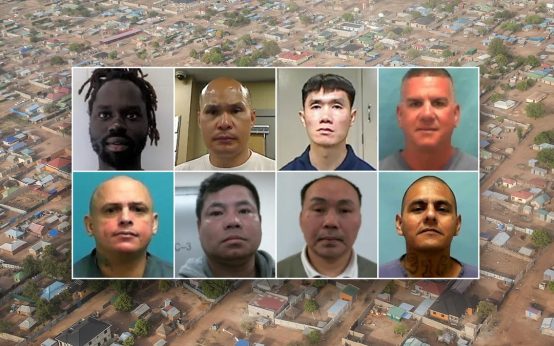 Trump Administration’s Approach to Illegal Alien Deportations
 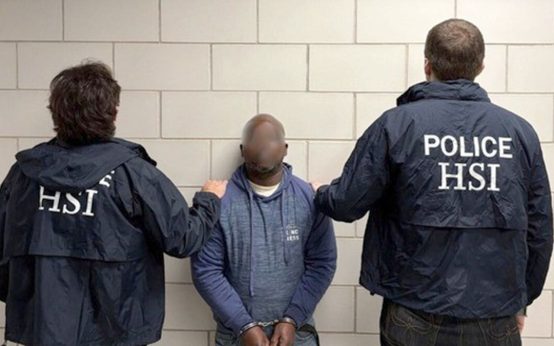 New Jersey Voter Fraud Prompts Renewed Push for SAVE Act
  Concerns Over Changes to Voter-Registration Form for Americans Abroad