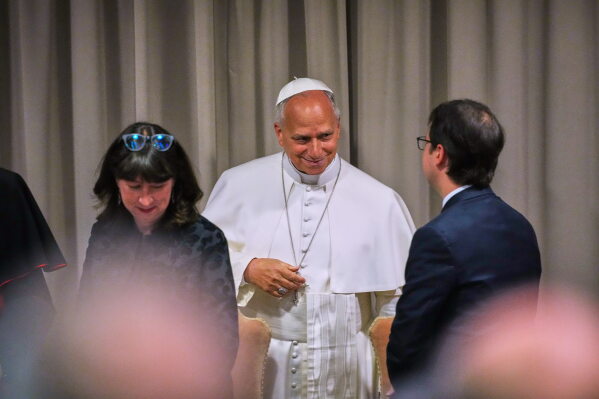
Pope Leo XIV called for robust regulation of artificial intelligence and urged developers to prioritize the common good over profit. In a manifesto titled Magnifica Humanitas, Leo emphasized safeguarding humanity as technology affects aspects of life, from work to warfare.
Leo’s encyclical has been highly anticipated since he announced AI as humanity’s biggest challenge following his election as the first U.S.-born pope. He criticized the “culture of power” propelling the AI race, particularly in remote warfare. Leo expressed strong opposition to AI systems making irreversible, lethal decisions, contrasting with the Trump administration’s efforts to deregulate AI development.
“Artificial Intelligence now demands to be disarmed, freed from logics that turn it into an instrument of domination, exclusion, and death,”
the pope stated at the Vatican presentation of the encyclical, one of the most authoritative types of teaching documents a pope can issue.
Tech industry and moral experts anticipate the document will become a key reference in the AI debate, influencing policymakers and researchers as AI advancements raise concerns about replacing human jobs and intelligence. Taylor Black, a Microsoft AI executive and director at Catholic University of America’s AI institute, noted how advancements prompt questions on human identity.
The Vatican launch included remarks by Anthropic co-founder Christopher Olah, whose company is in a legal dispute with the Trump administration over AI technology access. The Vatican’s involvement with Anthropic is part of a decade-long dialogue with Silicon Valley regarding AI’s human cost.
In his encyclical, Leo criticized the concentration of power and data in the hands of few as dangerous, particularly to children and the vulnerable, advocating for external regulation.
“Robust legal frameworks, independent oversight, informed users, and a political system that does not abdicate its responsibility are required,”
Leo wrote. He urged AI developers and political leaders to reflect on their actions, applying ethical and spiritual guidelines for humanity’s benefit.
Olah welcomed Leo’s concerns, stressing the importance of external checks on AI for its positive impact on humankind. He highlighted the risk of AI displacing human labor extensively.
Experts view the encyclical as a defining document, applying core Catholic concepts like justice and dignity of work to the digital revolution.
“Pope Leo offers a clear, comprehensive voice urging us to construct a world where technology serves, not degrades, humans,”
Paolo Carozza, law professor at Notre Dame Law School stated.
Leo condemned AI’s role in accelerating the “normalization of war” by desensitizing people to its impact. He highlighted conflicts stemming from imperialist powers vying for supremacy, without naming specific ones.
Leo demanded transparency from AI developers in decision-making for AI weaponry strikes, asserting the Church’s “just war” theory is outdated due to technological warfare advances.
Leo signed the encyclical on the 135th anniversary of Rerum Novarum, a pivotal document addressing workers’ rights during the Industrial Revolution. He relates AI to similar existential questions posed by the Industrial Revolution, continuing a legacy of Catholic social thought. He emphasized the importance of human dignity over economic gains.
“Greater profits cannot justify sacrificing jobs, because the human person is an end, not a means,”
Leo wrote. He extended this concern by issuing the first papal apology for the Holy See’s historical role in slavery.
The Vatican’s decade-long dialogue with Silicon Valley contributed to the encyclical, with officials refraining from specifying contributors. Leo’s inclusion of Anthropic at the launch was seen by some as a papal stamp of approval, which Anthropic is currently entangled in legal issues with the Trump administration.
Brian Boyd, from the Future of Life Institute, viewed Anthropic’s involvement as recognition rather than endorsement, emphasizing the company’s integrity and willingness for dialogue as it navigates significant responsibilities and risks.
 British Police Arrest Man Suspected of Terror Plot
 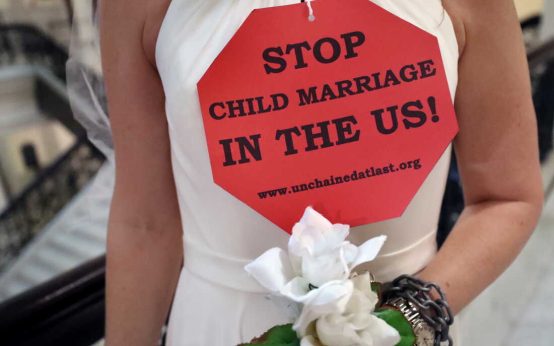 Activists Push for Nationwide Ban on Child Marriage in the U.S.
  Investigation into Alleged Incident at Cornell University
 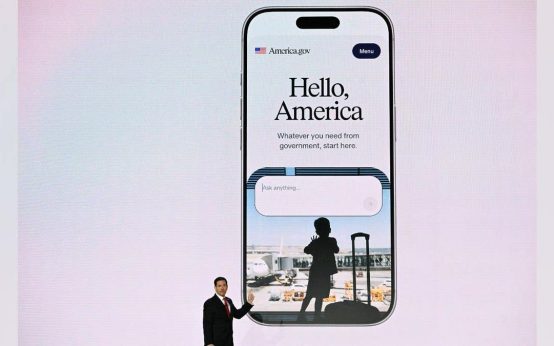 Trump Unveils AI-Powered America.gov Platform
  Rising Drone Threats Highlight Vulnerabilities in Moldova’s Airspace Defense
  Bolivia Faces Security Test Amid Unrest