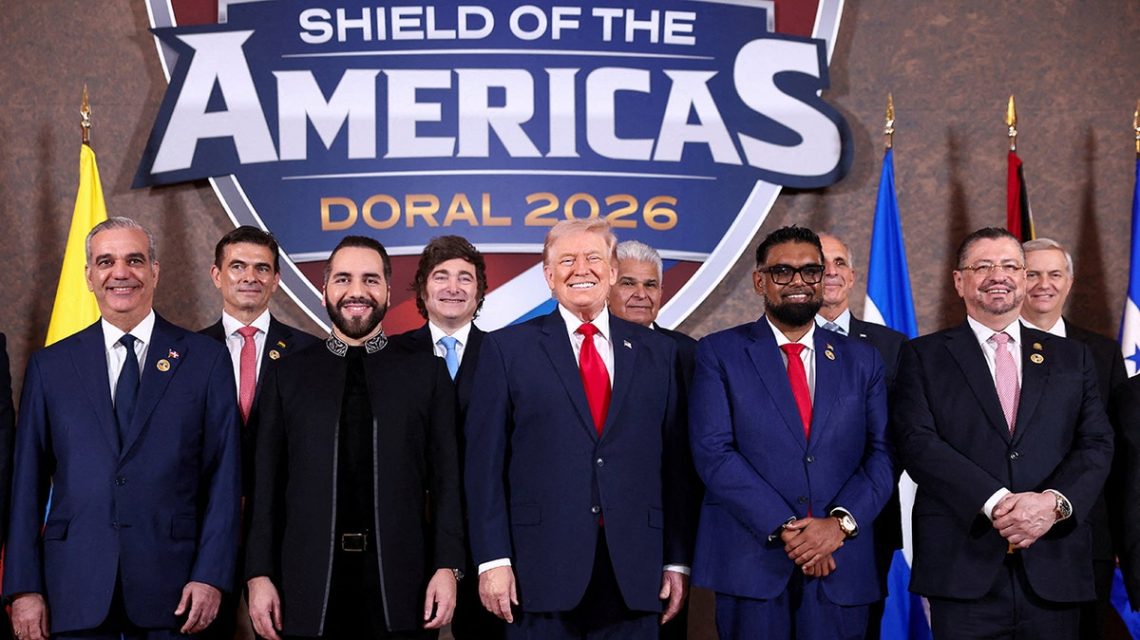
Bolivia’s security challenges are putting President Donald Trump’s Shield of the Americas plan to the test. The country’s Defense Minister, Ernesto Justiniano, highlighted the need for action amidst potential unrest, noting this as a key moment for the initiative.
During an interview, Justiniano clarified that while there is no confirmed coup attempt, threats and past events necessitate preventive measures. The Shield of the Americas, introduced in March at a summit in Florida, aims to foster cooperation across Western Hemisphere nations, especially in tackling transnational crime.
The Bolivian government is currently dealing with risks of renewed blockades, following earlier disruptions that caused significant shortages and economic challenges. A state of emergency has been extended by ninety days in an attempt to prevent a repeat of previous unrest.
A U.S. official expressed consistent support for Bolivia’s democratic efforts to rebuild after years of challenging socialist policies. The U.S. remains committed to assisting the Paz Administration in achieving stability.
“The threat is serious enough for us to take preventive measures, but I do not want to portray a government that is under siege or weak,” Justiniano stated. “We do not confuse legitimate social discontent with a threat to democracy.”
Authorities have preemptively deployed police and military forces around strategic areas to ensure security and stability. Specific locations and troop details remain undisclosed, adjusting as needed.
Recently, President Trump hosted leaders involved in Shield of the Americas, with discussions centered on security and economic matters in the region.
The U.S. State Department reinforced its partnership with Bolivia in addressing issues related to corruption and international crime. Visa restrictions have been imposed on certain individuals from Bolivia due to allegations of undermining governance and facilitating narcotrafficking.
Bolivia seeks deeper cooperation with the U.S. in areas such as intelligence sharing, counter-narcotics, border security, and crime-fighting efforts. The Bolivian government remains firm that military deployments aim to counter potential risks, not suppress legitimate protest activities.
Fernando Aramayo, Bolivia’s Minister of the Presidency, emphasized the fight against organized crime, noting international support and the continued commitment to democracy and open governance.
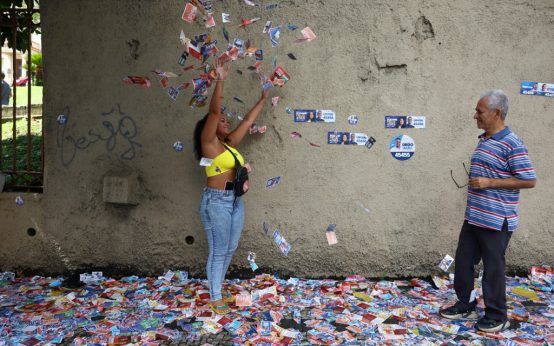 Brazilians Vote in Crucial Presidential Election
  Search Continues for Missing Michigan Woman Lynette Hooker
 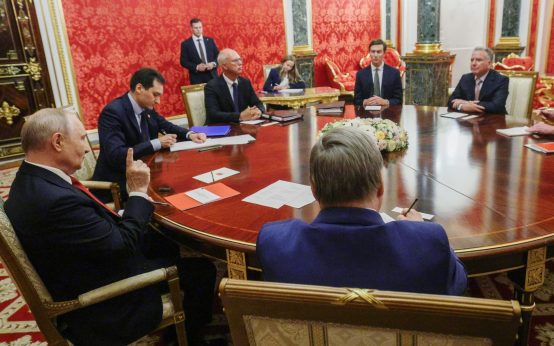 Russia Navigates Pressure and Diplomacy Amid Ongoing Conflict in Ukraine
 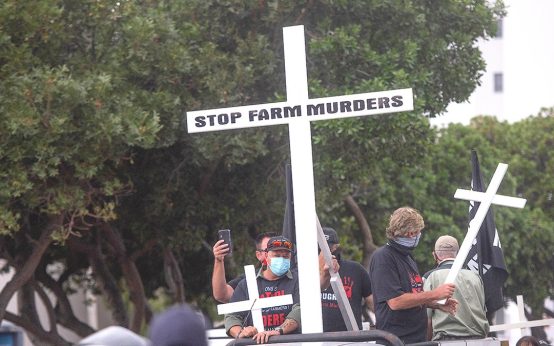 Tensions Rise Between U.S. Ambassador and South African President
  The Threat of Melting Glaciers: A Call to Action
 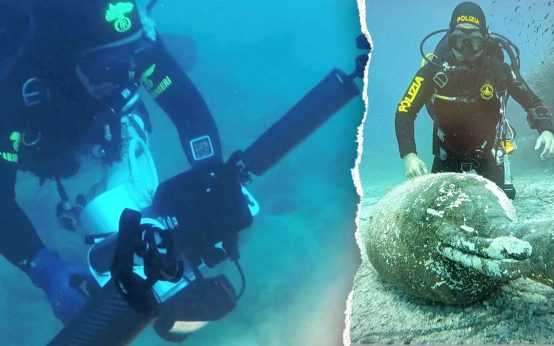 Police Discover Ancient Roman Artifacts Off Sardinian Coast