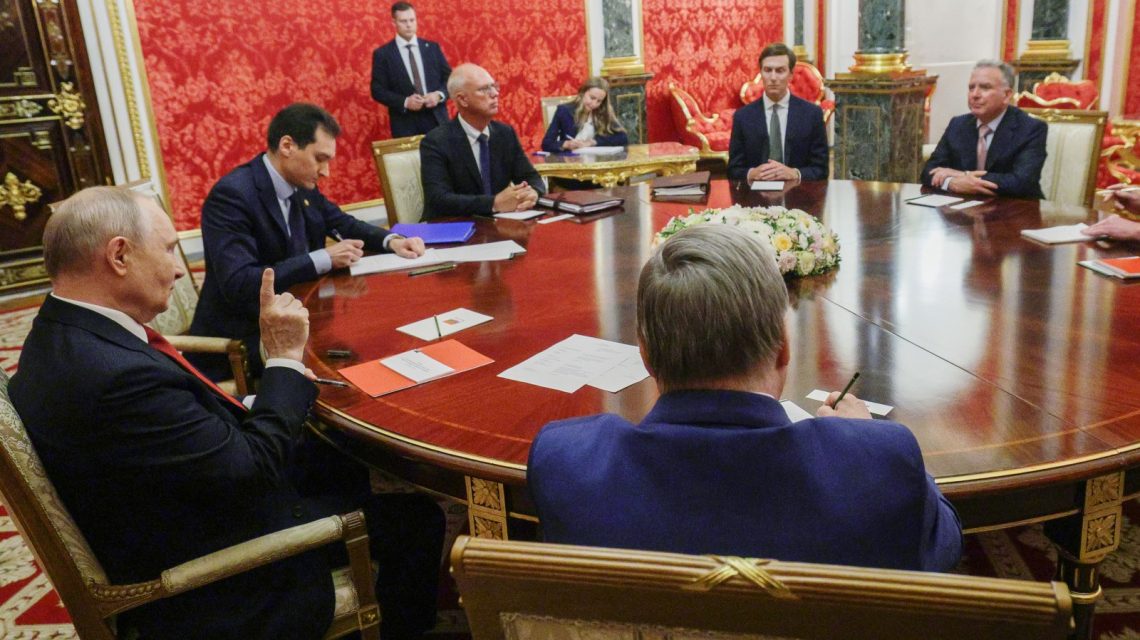
Over the past four and a half years, Russia has demonstrated its ability to operate independently from Western influence while engaging in conflict in Ukraine. Amidst this tension, Washington is testing a diplomatic strategy involving both pressure and negotiation with Russian President Vladimir Putin. This approach varies between confronting Russia with sanctions and potential cooperation on energy and economic deals, conditioned on achieving a ceasefire.
While this strategy is contentious, Ukrainian President Volodymyr Zelensky remains opposed to any moves perceived as lenient towards Russia, given the extensive destruction and displacement caused by the conflict. The war has inflicted significant damage, leading to substantial reconstruction needs estimated at $600 billion, with ongoing attacks persisting across Ukrainian cities.
Diplomatic Engagements
Recently, Russian envoy Kirill Dmitriev was in Washington for discussions on ending the war and examining post-conflict relationships between Moscow and Washington. As head of Russia’s sovereign wealth fund, Dmitriev engaged with U.S. Treasury and Energy representatives regarding potential peace agreements and collaboration in energy initiatives. This follows earlier encounters between U.S. figures and Putin, reflecting an intricate diplomatic engagement that may unsettle Ukrainian observers.
Despite these interactions, skepticism remains regarding any perceived concessions to Russia. Any favorable stance towards Moscow is viewed critically by Ukraine, especially after recent actions by the EU to lift sanctions from certain Russian individuals—a move criticized by Zelensky for potentially undermining strong opposition required to end wars.
Sanctions and Economic Measures
The pressure from sanctions continues to affect Russia’s economic situation. The U.S. has implemented additional sanctions targeting Russian officials and economic sectors, including restrictions on new investments and imposing tariffs on Russian exports. Meanwhile, Russia’s federal budget strains under deficits compounded by reduced oil-and-gas revenues, prompting the government to introduce unpopular tax measures.
Russia persists in maintaining substantial defense spending, indicating a commitment to sustaining military activities despite economic challenges. The government plans significant defense budget allocations through 2029, a move that demonstrates an emphasis on military capabilities.
As Russia adapts to sanctions by turning towards alternative economic partners, notably China and India, the Russian leadership continues to express ambitions for a multipolar international order. However, the absence of access to Western financial systems and technology represents a strategic limitation.
Future Implications
Washington’s ongoing support for Ukraine, through sanctions and arms supplies, aligns with its policy of avoiding direct military involvement to prevent potential escalation with Russia. As Kyiv advocates for enhanced measures, the need for comprehensive enforcement of sanctions and disruption of Russia’s indirect resource channels is paramount.
Ultimately, while discussions about Russia’s post-conflict future may not directly alter Putin’s strategies, the additional incentives offered by a more integrated international status could influence Russia’s economic and diplomatic decisions over time.
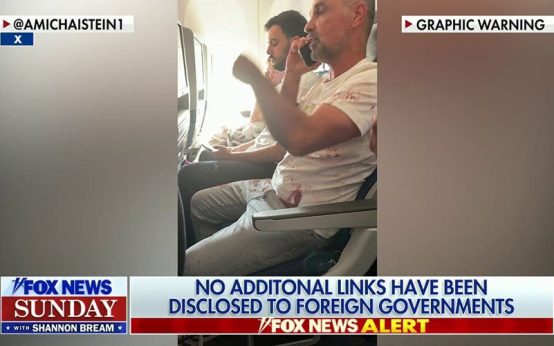 Fox News Report on FlyDubai In-Flight Incident
  Brazilians Vote in Crucial Presidential Election
  Search Continues for Missing Michigan Woman Lynette Hooker
  Tensions Rise Between U.S. Ambassador and South African President
  The Threat of Melting Glaciers: A Call to Action
  Police Discover Ancient Roman Artifacts Off Sardinian Coast