Scammers are increasingly using artificial intelligence to deceive Americans, posing significant financial threats. Each year, impersonation scams cost billions of dollars, with reports rising nearly threefold since 2020. Even before AI became widespread, fraud through impersonation was a significant issue. AI technology has made cloning tools more effective, leading to millions of scamming reports annually.
A notable example occurred in 2023 involving Jennifer DeStefano from Arizona. She answered a call and heard her daughter pleading for help. A man demanded a ransom, claiming to have kidnapped her daughter. Fortunately, DeStefano found her daughter was safe before paying. Her testimony to a Senate Judiciary subcommittee revealed her as a victim of an AI deepfake kidnapping scam. This situation reflects the increasing sophistication of AI-based scams.
AI advancements make it easier to replicate trusted voices and images. It takes only three seconds of audio for scammers to clone a voice, intensifying concerns over privacy and personal security. This issue is not just technical; it extends to creators whose works are threatened by generative AI capabilities.
In 2024, the U.S. Copyright Office reviewed public concerns over AI and found significant gaps in protection. It urged Congress to implement a federal law to protect individuals from unauthorized digital replicas. The office highlighted that AI threats go beyond entertainment and politics, affecting every societal facet.
Creative professionals, including musicians and voice actors, are pushing for solutions as AI infringes on their work. Groups like The Alliance for Secure AI, advised by Nico Zviovich, advocate for protecting creative rights through initiatives like “Creatives for Secure AI.” They stress the importance of controlling their digital likenesses.
Congress is considering the NO FAKES Act, designed to safeguard Americans against unauthorized digital duplicates of their voice and image. This bipartisan proposal emphasizes personal ownership of one’s identity. It aims to address the rapid advancement of AI and establish suitable protections.
There are concerns about how many similar cases to DeStefano’s remain undisclosed. Artists and performers risk losing their identities to AI without proper consent. Pursuing justice in such cases is challenging. Legislative efforts, like the NO FAKES Act, provide a starting point for addressing these issues. The act successfully passed the Senate Judiciary Committee but awaits a full Senate vote.
Deepfakes are becoming more convincing, and the need for action grows. Congress must bring the NO FAKES Act to a vote, encouraging progress on this bipartisan concern.
Nico Zviovich, involved with The Alliance for Secure AI and an experienced film producer, emphasizes the urgency of these protections. Ensuring adequate responses to AI’s rapid deployment and its impact on society is vital.
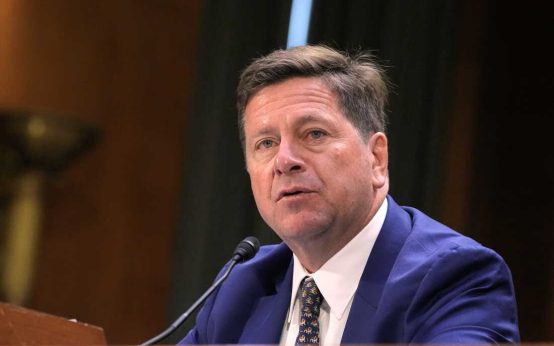 Jay Clayton Appointed as White House AI Czar
 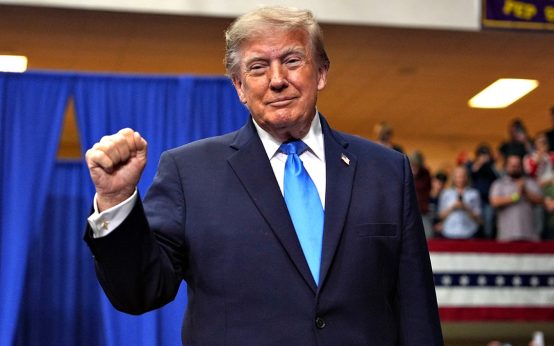 President Trump Unveils New Super Intelligence Force
 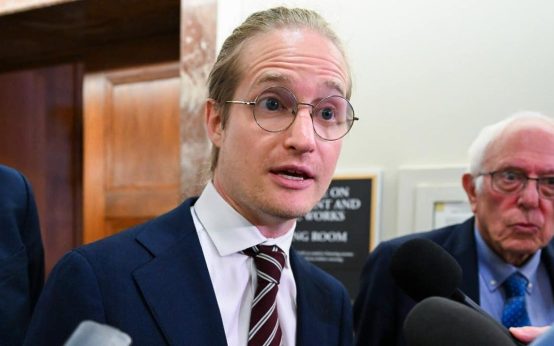 Challenges in Managing Advanced AI Models
  The Risky Foundations of AI’s Economic Impact
  Meta’s Muse AI Assistant Sparks Cybersecurity Concerns
  Keurig Dr Pepper Launches Compostable Coffee Pods to Reduce Waste