Brent crude oil prices remain around $100 per barrel amidst the ongoing conflict between Yemen’s Saudi-backed government and Iran’s Houthi allies over the Bab el-Mandeb Strait. There are conflicting reports regarding the impact on a vital Saudi pipeline from a recent strike.
Middle East Oil Exports and Strategic Straits
Maritime intelligence firm Kpler indicated a rise in Middle East oil exports from countries other than Iran in September, surpassing pre-war levels. This increase is credited to alternative routes through the Red Sea, despite threats concerning the Strait of Hormuz.
President Trump has rejected Tehran’s proposal to reopen the Strait of Hormuz, with Iran reviewing the U.S. response and preparing its own. Iran has expressed readiness for discussions or alternative actions.
Global Oil Stockpile Concerns
Saudi Aramco’s chief, Amin Nasser, warned of critically low global oil stockpiles due to the U.S.-Iran conflict. Although U.S. and G7 measures aim to alleviate supply shortages, the situation remains fragile.
The conflict in Yemen exacerbates these concerns, with fierce fighting over the Bab el-Mandeb Strait threatening stability in oil flows.
Conflicting Pipeline Reports
Reports about Saudi Arabia’s East-West Crude Oil Pipeline offer mixed updates. Sources report disruption following a strike, while agencies like Reuters and Bloomberg claim continued oil flow.
The pipeline is crucial for transporting oil between major fields and export terminals, and its disruption impacts global energy markets.
Yemen’s Military Actions
Yemen announced widespread strikes against Houthi targets aimed at reclaiming territory, particularly around the Bab el-Mandeb Strait. Despite claims of regained control, the conflict shows continued Houthi advances.
The battle for strategic areas like Taiz highlights the intensity of the conflict, affecting millions and claiming numerous lives.
Diplomatic Efforts
Iran’s foreign minister emphasizes diplomacy as the solution to the U.S.-Iran war, arguing against further military actions or sanctions. Talks are vital for resolving the blockade of the Strait of Hormuz.
The memorandum of understanding signed in June underpins negotiation attempts amidst continuing attacks on shipping lanes by Iran.
Energy Secretary’s Insights
Energy Secretary Chris Wright stated President Trump understood the impact on energy markets before initiating action against Iran. The administration believes preventing a nuclear-armed Iran justifies current actions.
With increased oil supplies and alternative routes alleviating pressure on markets, efforts continue to stabilize energy prices.
The Path Forward
Following U.S. rejection of Iran’s terms, Tehran prepares a response while the situation remains tense with potential military or diplomatic developments.
Efforts to reopen the Strait of Hormuz are crucial for easing global energy concerns and restoring maritime stability.
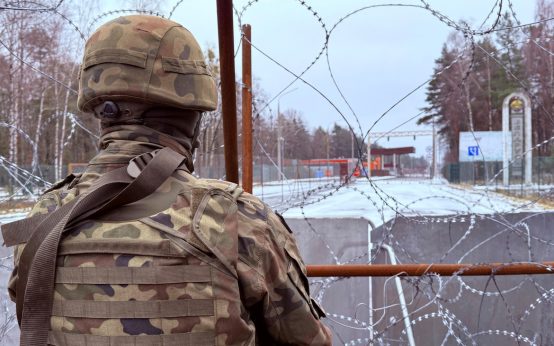 Poland Prepares for Potential Conflict
  Defeat Threatens Sánchez and His Leadership
  Tensions Surround Prince William and Prince Harry Amid Diana Anniversary Projects
  Realtor Arrested for Alleged Work as Unregistered Chinese Agent
 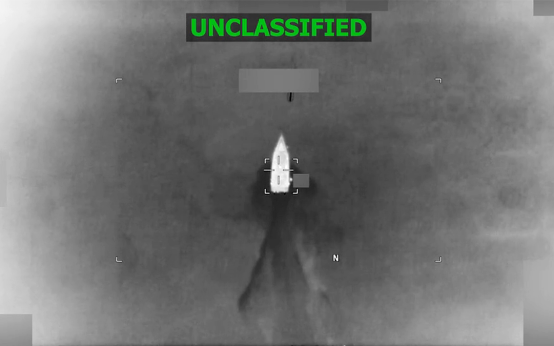 U.S. Military Strikes Vessel in Caribbean, Alleging Drug Trafficking
  Australia Investigates FlyDubai Incident Amid Security Concerns